
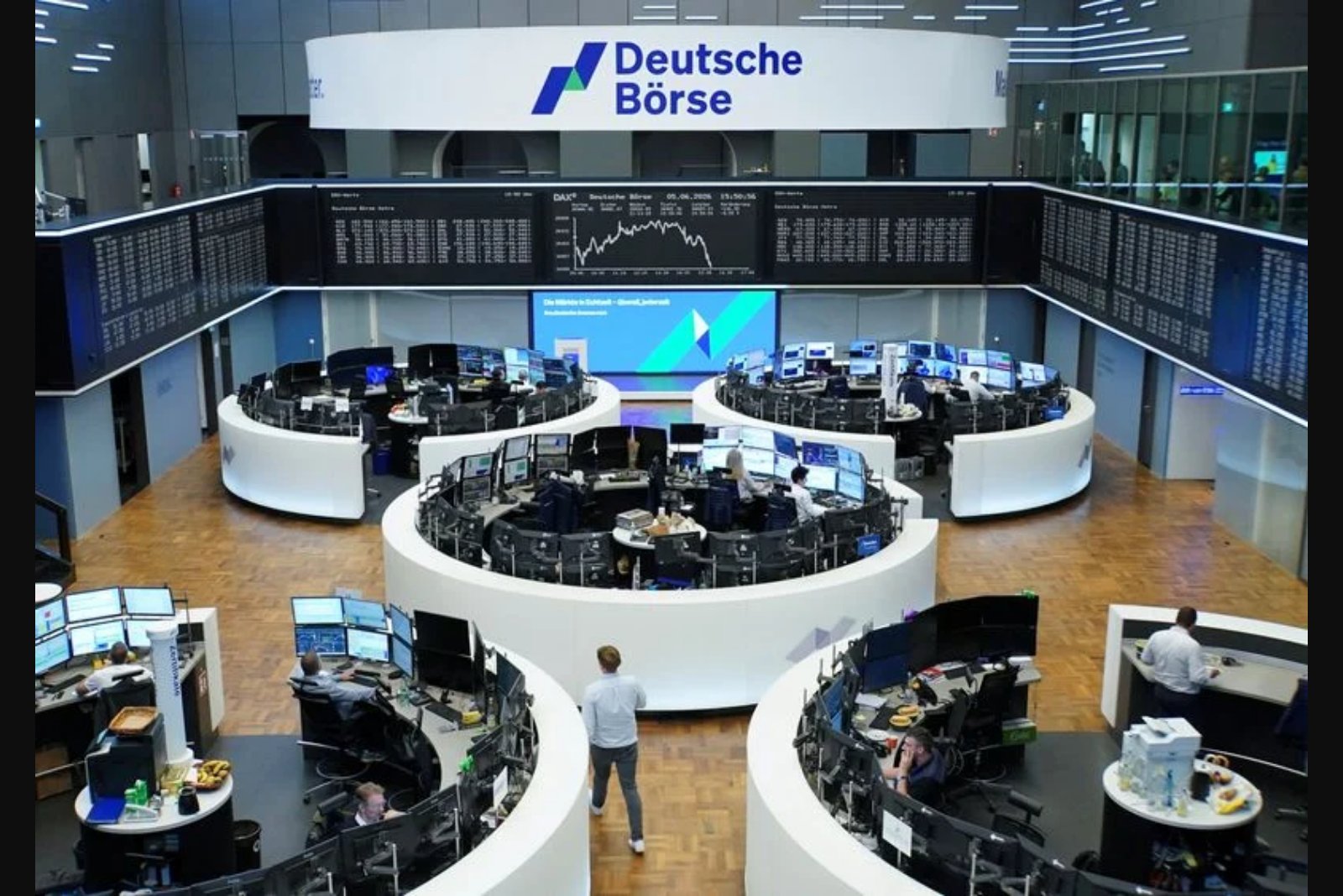
Asian markets recovered on Tuesday as investors stepped back into beaten-down positions, lifting most regional indices after a turbulent start to the week. A reported temporary halt to attacks between Iran and Israel helped sentiment and pressured oil prices lower, supporting risk-taking in equity markets.
South Korea's Kospi was a standout, jumping nearly 5% after plunging 8% on Monday. Despite the rebound, the index remains up about 83% year-to-date. That rapid advance has coincided with a growing presence of retail participants who are using leverage to amplify equity exposure and could be susceptible to margin calls if volatility persists. A Bank of Korea report showed leveraged retail investment in equities exceeded a record 60 trillion won as of the end of May, a figure that includes exposure through exchange-traded funds that use leverage to amplify returns on chipmaker stocks.
Chinese equities also found support following trade data for May that came in stronger than expected. Exports were reported to have risen 19% year-on-year, while imports climbed 27% over the same period. Both results outpaced market forecasts. Notably, the increase in overall import volumes occurs even as oil imports fell 29% from a year earlier and are running at their lowest daily pace since 2018. Through the first part of the year, China’s surplus with the United States stands at almost $114 billion, a level that is slightly higher than the same period in 2025 despite ongoing U.S. tariff measures and other trade hurdles.
In Europe and the United States, the tone was mixed. European stock futures were modestly lower, while U.S. futures edged up after semiconductor stocks drew demand overnight. The rise in chip-related names was concentrated - much of the buying activity focused on five large stocks - and despite that support, more than 60% of the S&P 500 finished the session in the red.
Corporate results will be an immediate test for technology names. Oracle is scheduled to report earnings on Wednesday, followed by Adobe the next day. Apple did not receive a noticeable boost at the open from the long-delayed artificial intelligence update to Siri that the company unveiled at its annual Worldwide Developers Conference.
Meanwhile, the private AI company OpenAI confidentially filed for a U.S. initial public offering on Monday, joining rival Anthropic in what has been described as a rush of equity financing into the sector.
Events and data to watch
- German industrial output and the trade balance for April
- U.S. trade balance for April, existing home sales for May, and May small business optimism
- An informal dinner and exchange of views involving European Central Bank President Christine Lagarde, the Governing Council, and the EU Commissioner for Climate, Net Zero and Clean Growth
Market participants will be parsing these releases and discussions for signs of economic momentum and potential policy implications. The concentration of recent gains in a handful of stocks and the elevated retail use of leverage in markets such as South Korea are notable dynamics that could amplify moves in either direction as new information arrives.