
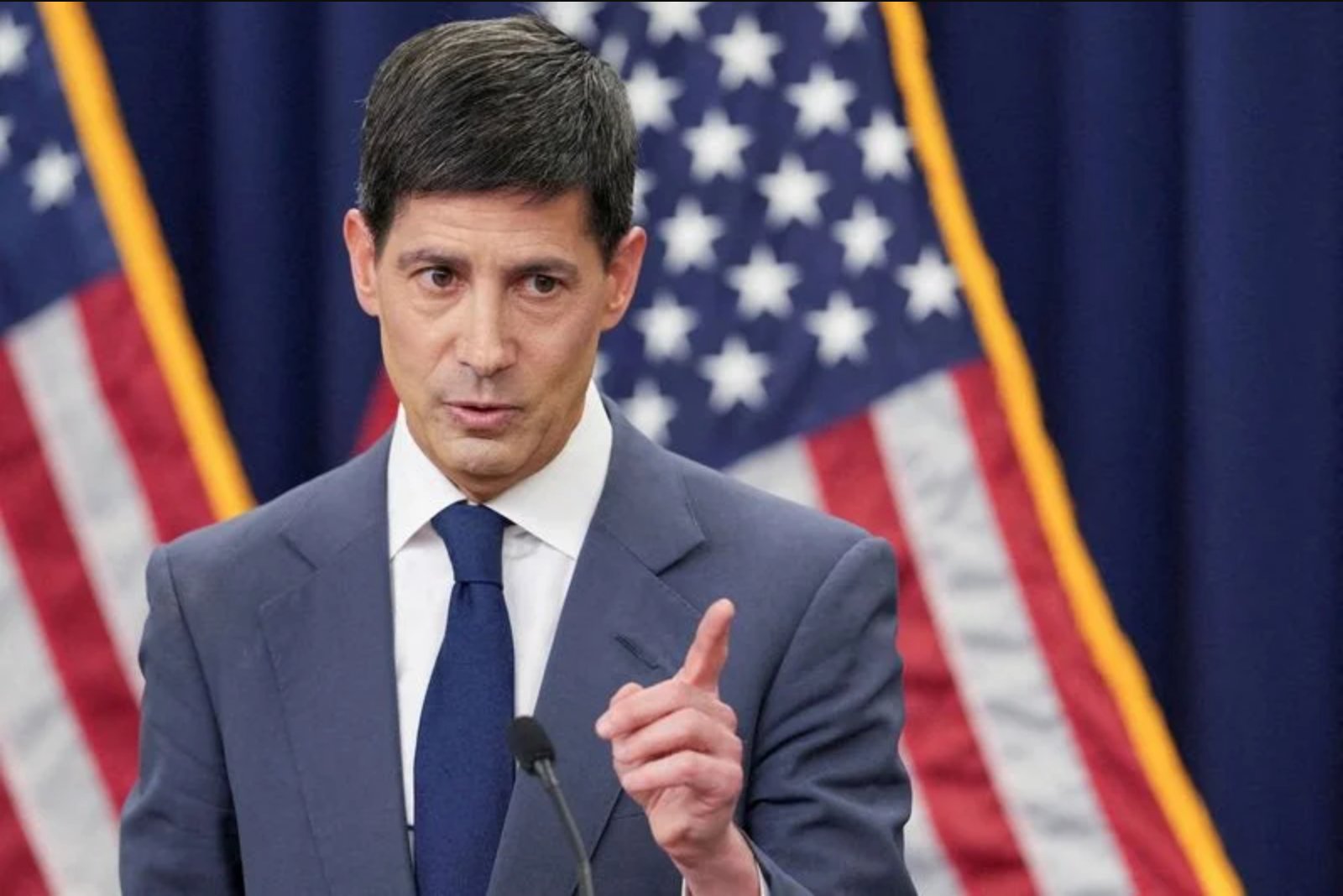
Asian markets opened under pressure and Brent crude climbed near $85 per barrel as attention turned to forthcoming testimony from U.S. Federal Reserve Chair Kevin Warsh, who is due to appear before the U.S. House Financial Services Committee over the next two days. Warsh is expected to face questions about the Fed's balance sheet strategy.
Markets were further unsettled after relatively hawkish commentary earlier this week from Fed Governor Christopher Waller, comments that pushed investors to increase the probability of additional rate hikes this year - possibly as soon as later this month. That shift in expectations arrived alongside rising geopolitical tensions in the Middle East.
The U.S. military conducted a third successive night of strikes against Iran, and market participants were weighing reports that the United States might impose a 20% fee on cargo ships transiting the Strait of Hormuz. Those developments helped push Brent futures to their strongest levels since mid-June.
Risk assets reflected the strain on Tuesday in Asia. S&P 500 e-mini futures eased roughly 0.2% while MSCI's broad Asia-Pacific index excluding Japan fell about 1.2%, with shares in Taipei and Seoul among the weakest performers.
South Korea's benchmark Kospi suffered steep losses during the session - at one point logging its worst two-day drop since the start of the Iran conflict - yet it is still cited as one of the better-performing major indices so far this year.
European futures signaled a softer open. Pan-region futures traded down about 0.9%, German DAX futures fell 0.9% and FTSE futures were off roughly 0.4% in early European turnover.
Across markets, a cluster of additional developments helped shape sentiment. Chinese equities outperformed many peers after June export data showed a surge in shipments, an increase attributed in part to demand for chips and data-centre computing capacity tied to the global AI expansion.
In Tokyo, Finance Minister Satsuki Katayama said Japan may consider altering the investment strategy of the Government Pension Investment Fund if the investment environment shifts sharply. The comment followed earlier remarks that officials would look for ways to encourage greater investment into domestic financial assets, although Katayama offered few specific details.
Health and travel concerns also surfaced. As the Ebola outbreak intensifies in the Democratic Republic of Congo, the U.S. administration on Monday said it was blocking American citizens in the DRC from returning to the United States on commercial flights, according to a White House official.
Key events that market participants flagged for Tuesday included a slate of major bank earnings - JPMorgan Chase, Bank of America, Goldman Sachs, Wells Fargo and Citigroup - U.S. inflation readings for June including core CPI, and a German auction of two-year government debt.
Market snapshot and select indicators cited:
- Brent crude around $85 per barrel, at the highest level since mid-June.
- S&P 500 e-mini futures down about 0.2%.
- MSCI Asia-Pacific ex Japan down approximately 1.2%; Taipei and Seoul led declines.
- Pan-region European futures -0.9%; German DAX futures -0.9%; FTSE futures -0.4%.