
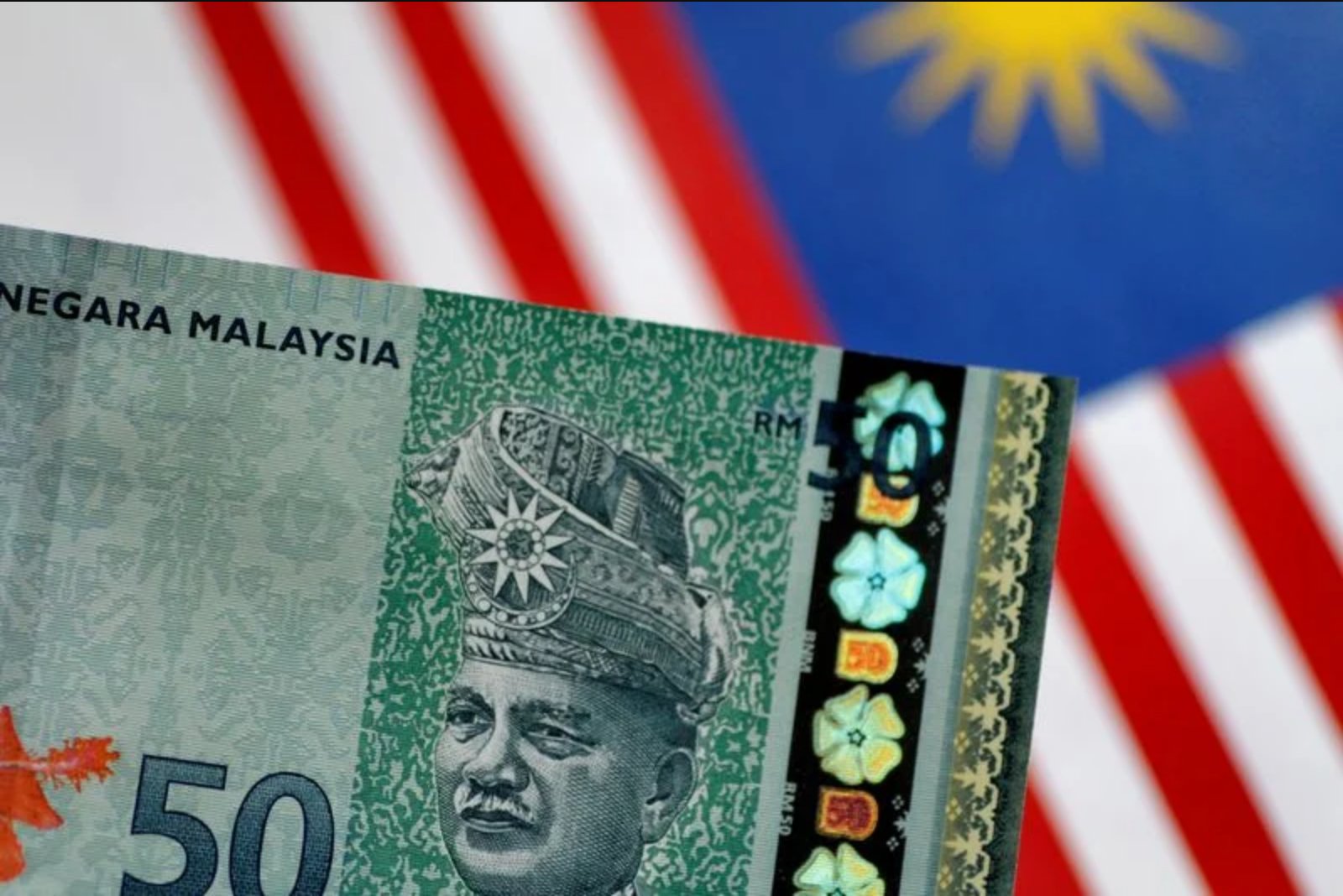
Malaysia's central bank has escalated its defense of the ringgit, deploying a suite of measures designed to counter recent depreciation pressures. Bank Negara Malaysia announced new protocols on Wednesday aimed at drawing in foreign capital and compelling state-linked enterprises to bring overseas profits back to the domestic economy.
The Financial Markets Committee convened to assess the currency's trajectory, noting a decline of more than 4% in June alone. The committee stressed that underlying economic fundamentals remain robust and that the onshore foreign exchange market continues to operate without disruption. The central bank attributes the recent weakness to cautious positioning by foreign investors and mounting expectations for higher interest rates in the United States, following a period where the ringgit reached a seven-month low.
The committee highlighted that global financial markets are currently fixated on the growing probability of increased U.S. policy rates, a reaction to persistent inflationary risks. While foreign investor outflows have been observed, the committee characterized these largely as portfolio adjustments following the ringgit's strong performance earlier in the year. Non-resident investors are described as maintaining a neutral stance in their positioning.
Despite the sharp monthly decline of 4.5%, the ringgit sits only 2% in the red for the year, positioning it as one of the top-performing currencies across emerging Asia. Officials note that while external developments and domestic factors will continue to drive performance, the nation's solid economic profile provides enduring support.