
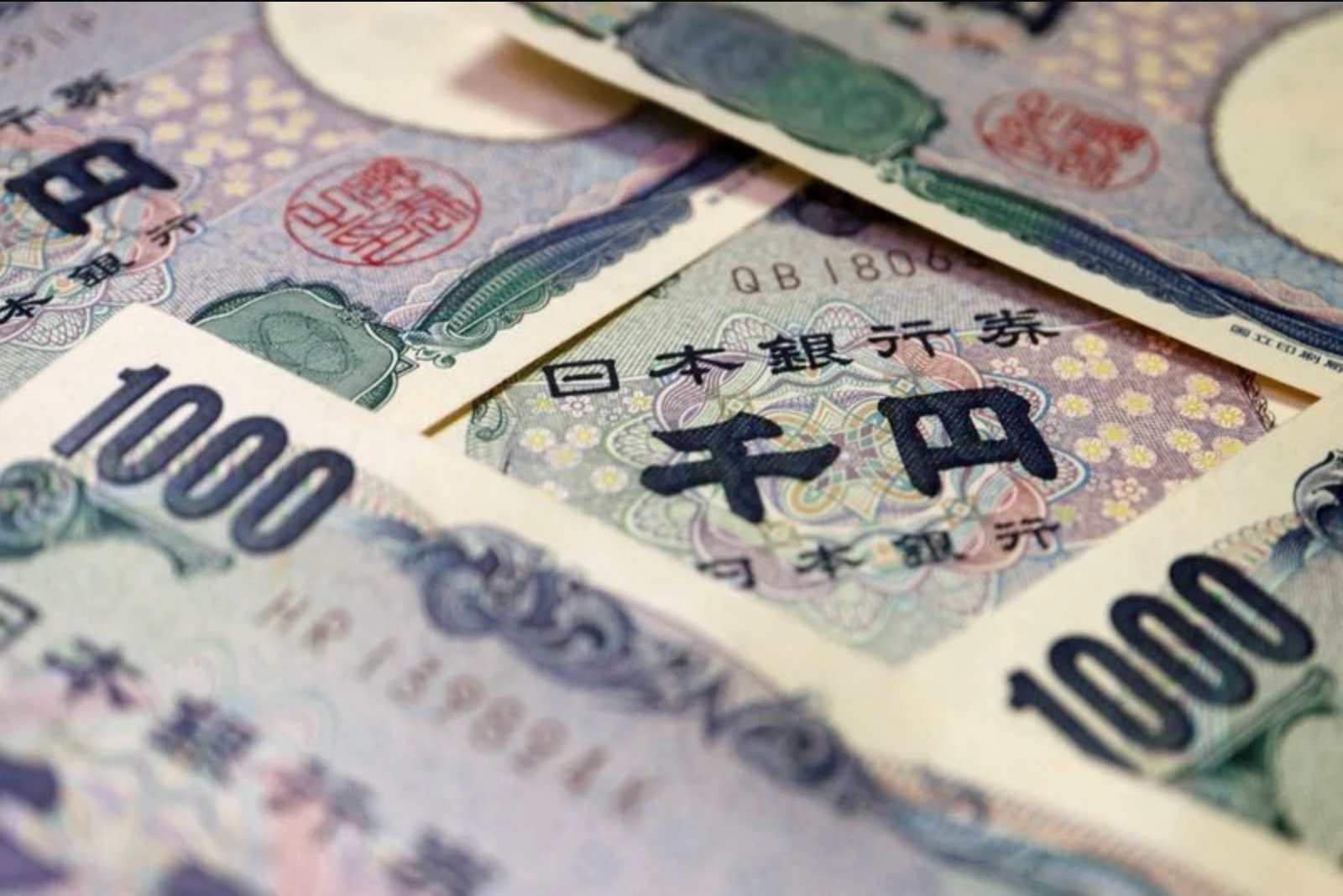
Tokyo authorities are actively exploring mechanisms to optimize the administration of the nation's $1.3 trillion foreign exchange reserve pool. A draft document outlining a growth strategy, recently reviewed by Reuters, indicates that policymakers are seeking more effective deployment of these assets while balancing their primary defensive function. The initiative forms a central component of Prime Minister Sanae Takaichi's economic policy framework, which emphasizes proactive government spending to stimulate the world's fourth-largest economy.
The foreign exchange reserves, accumulated largely through past dollar-purchasing operations, are predominantly invested in U.S. Treasury securities. Income generated from these holdings, along with reserve surpluses, currently flows into the general budget account, providing essential funding for state expenditures. Takaichi has previously characterized the reserves as a significant beneficiary of the weaker yen environment, noting their robust performance. Some internal government interpretations suggest her administration views this surplus as a potential funding source for proposed measures, including the suspension of consumption taxes on essential food items.
Despite these considerations, officials caution against radical portfolio restructuring. The reserves function primarily as a ready liquidity source for currency stabilization interventions. During late April, authorities executed a massive $73 billion yen-buying operation after the currency depreciated past the 160 level against the dollar. This action resulted in a record 5.6% decline in reserves during May, underscoring the constraints of sustained large-scale market operations. A source familiar with the confidential report emphasized that pursuing aggressive returns strategies would be impractical if it compromised the reserves' core intervention purpose.
The draft strategy refrains from specifying concrete alterations to current asset allocation frameworks. Instead, it directs a formal examination of improvement merits across public sector assets, including the foreign exchange fund special account. This balanced approach seeks to maximize fiscal utility without undermining the reserves' role as a market stabilization tool.
- Economic Sector Impact: The evaluation of reserve management directly influences the macroeconomic stability of the Japanese market, affecting currency valuation, interest rate expectations, and sovereign credit perceptions.
- Market Impact: Potential shifts in reserve deployment could alter demand for U.S. Treasuries, impacting global bond markets and dollar-yen exchange rate dynamics.
- Risk/Uncertainty: Any attempt to enhance returns must carefully navigate the risk of compromising intervention capabilities, which could lead to increased currency volatility and fiscal strain.
- Risk/Uncertainty: The reliance on reserve surpluses for domestic tax policies introduces uncertainty regarding long-term fiscal sustainability if market conditions reverse or intervention demands increase.
This strategic reassessment highlights the complex interplay between fiscal policy ambitions and the practical limitations of sovereign wealth management in a volatile currency environment.