
Japan’s ruling Liberal Democratic Party (LDP) is pressing ahead with plans to entirely eliminate the sales tax on food, setting aside an alternative proposal that would cut the rate to 1% and be easier for retailers to adopt. The matter was the center of recent internal deliberations as the party seeks to deliver on an election promise.
Daishiro Yamagiwa, who chairs the LDP’s tax policy subcommittee, told reporters on Monday that the conversation inside the party remained focused on a zero tax rate, and that the 1% option was not raised at the meeting.
The LDP pledged during February’s general election to accelerate moves to suspend the food sales tax for two years. Yamagiwa said numerous participants in the meeting stressed the importance of honoring that commitment, keeping the party aligned behind the more expansive measure.
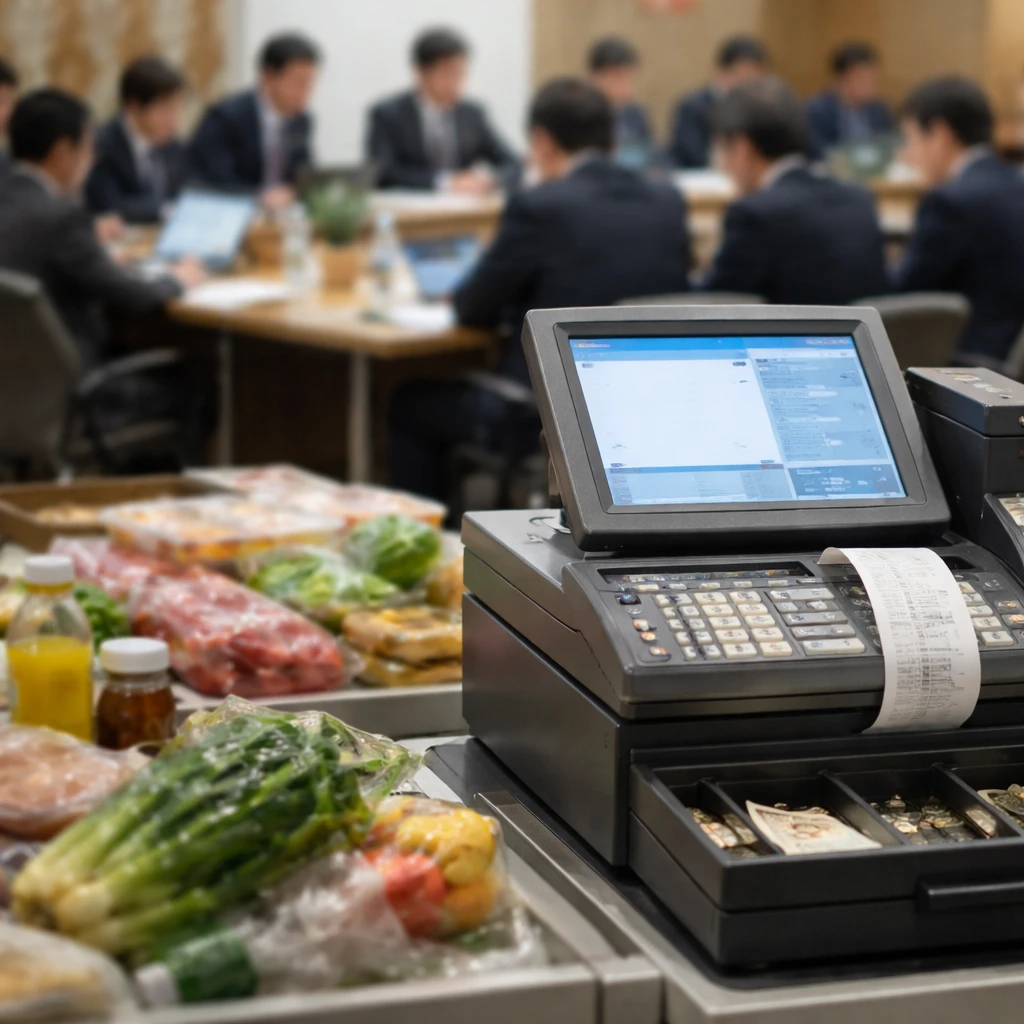
Support for a complete suspension appears to have grown within the ruling party even as practical concerns persist. Retailers will need time to update cash-register and accounting systems if the tax is changed, and that need for system modifications has driven debate in a cross-party policy group. Some members of that group have argued a 1% rate would be more practical because it would require fewer changes to existing systems.
Both a zero rate and a 1% rate raise questions among investors about the fiscal consequences of the policy. The Finance Ministry has estimated that a zero sales tax rate on food would translate into roughly
Prime Minister Sanae Takaichi has reiterated her backing for the party's original campaign promise. When questioned in parliament earlier this month about implementing a zero tax rate on food, she said she remained strongly committed to fulfilling that pledge.
Yamagiwa characterized Monday's meeting as reflecting a range of views about the timeline and mechanics of putting a suspension into effect. Some lawmakers pressed for the quicker rollout of refundable tax credits as a way to deliver relief, while others requested targeted support measures for agriculture, fisheries and restaurant businesses that might suffer unintended consequences if the sales tax on food is suspended.
As debate continues inside the ruling party and among cross-party groups, the core political promise remains intact: a two-year suspension of the food sales tax, with the LDP currently prioritizing a full removal of the tax rate in its internal discussions. How and when the measure would be implemented, and what compensating policies might be adopted to address fiscal and sectoral impacts, remain open questions for lawmakers.