
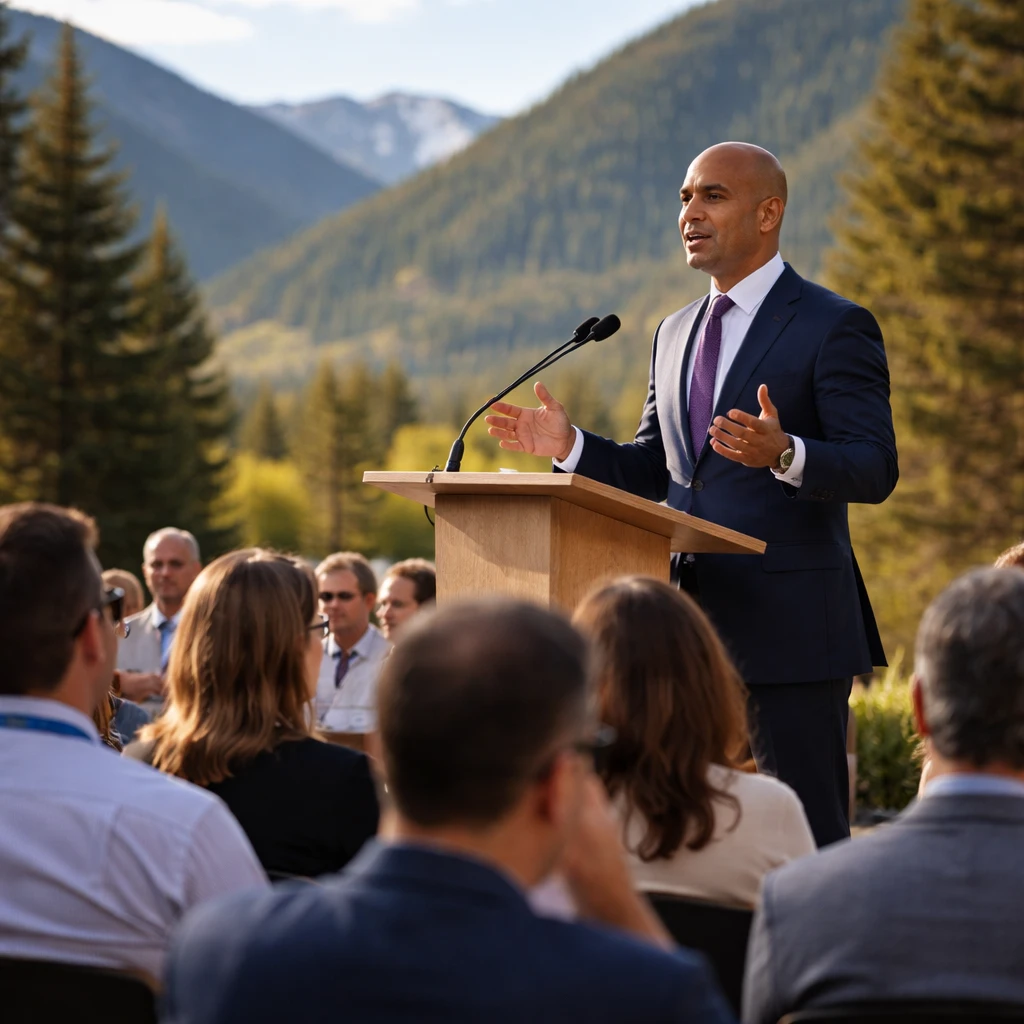
Minneapolis Federal Reserve Bank President Neel Kashkari said that pervasive inflation across the U.S. economy factored into his projection for one interest-rate increase this year in the central bank’s economic projections issued earlier this month.
Speaking Friday in an interview with Bloomberg News while attending the Aspen Ideas Festival in Aspen, Colorado, Kashkari said: "I’m concerned about inflation, and it’s not only tied to what’s happening in the Middle East, it’s just the impression of broader inflationary pressures in the economy."
Officials had been seeing signs of easing at the start of the year after a period of largely unchanged levels in 2025, but inflation has accelerated in the last three months. The recent uptick occurred alongside higher oil prices, which were driven by the war in Iran, and price gains across a wide range of categories.
Data released earlier this week showed the Federal Reserve’s preferred inflation gauge rose 4.1% in the year through May, the largest 12-month increase since April 2023. The report underscored that consumer prices have stayed above the Fed’s 2% target for more than five years.
Summary
Neel Kashkari attributed his support for a single rate increase this year to broad inflationary pressures in the economy, saying those concerns go beyond the impact of tensions in the Middle East. Recent months have seen inflation accelerate, with the Fed’s preferred gauge up 4.1% year-over-year through May and oil prices rising due to the war in Iran.
Key points
- Kashkari said broad inflationary pressures influenced his projection for one interest-rate increase in the Fed’s recent economic projections.
- Inflation accelerated over the past three months after earlier signs of cooling following largely unchanged levels in 2025.
- The Federal Reserve’s preferred inflation measure rose 4.1% in the year through May, the strongest increase since April 2023; prices have stayed above the 2% target for over five years.
Risks and uncertainties
- Elevated inflation readings over recent months create uncertainty for the path of monetary policy - impacting interest-rate-sensitive sectors such as housing and consumer credit.
- Rising oil prices due to the war in Iran add volatility to energy costs, which can feed into broader price measures and affect sectors dependent on fuel and transportation.
Policy deliberations at the Federal Reserve will continue to weigh incoming price data and geopolitical developments. Kashkari’s comments reflect a focus on economy-wide inflation dynamics rather than attributing the recent rise solely to external supply shocks.