
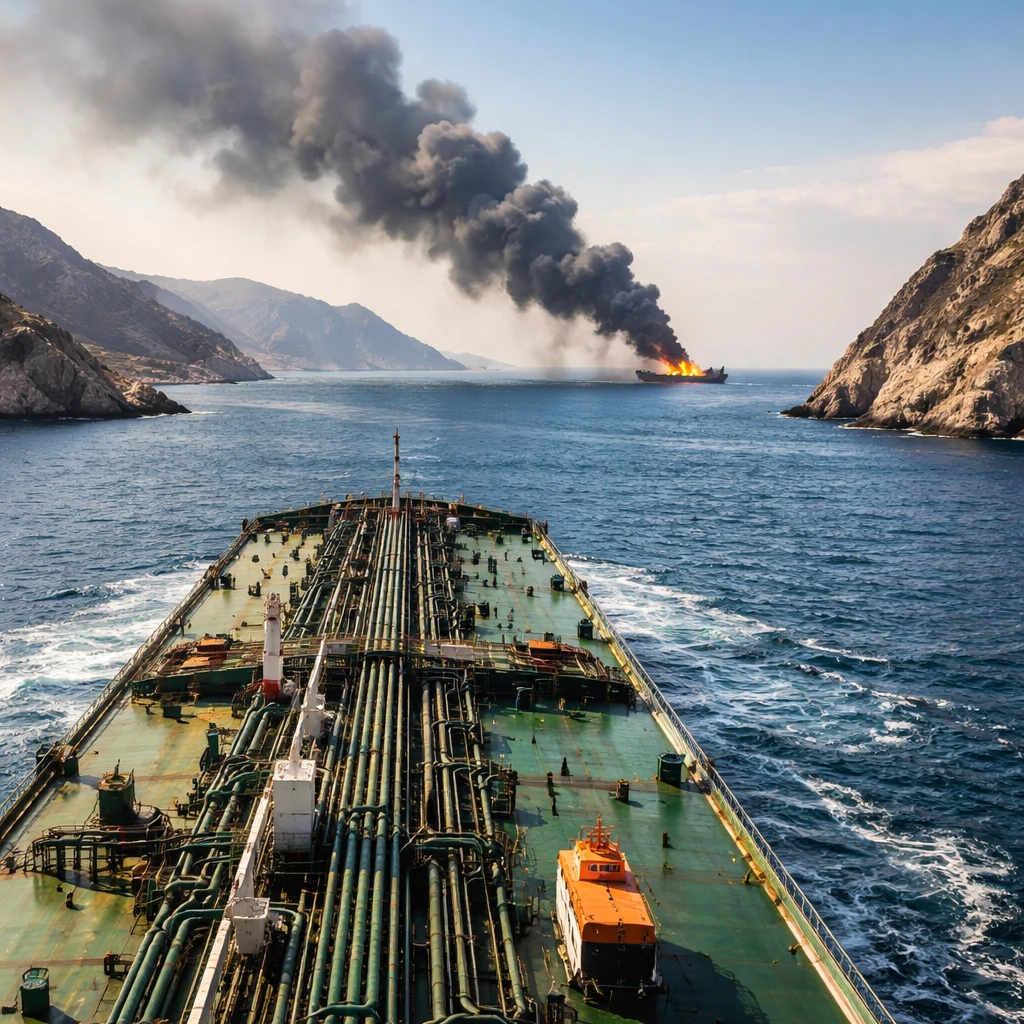
Iranian military forces have resumed offensive operations in the Strait of Hormuz, targeting commercial maritime traffic and effectively terminating a temporary period of calm. On Monday night, Iranian operatives fired at least two missiles at commercial vessels navigating the strategic waterway, according to reports citing two U.S. officials. This action concludes a week-long suspension of attacks that had been established under a mutual understanding between Washington and Tehran, as detailed by Axios on Tuesday.
The strikes resulted in significant structural damage to two commercial ships transiting the region. While the impact was severe for the vessels involved, there were no reported casualties among the crews. The incident was preceded by a report from the U.K. Maritime Trade Operations agency earlier on Monday. A tanker traveling south near the Omani coast transmitted a distress signal after being struck by an unidentified projectile, which subsequently ignited a fire aboard the vessel.
The resumption of hostilities carries significant weight as it coincides with the expiration of a one-week agreement designed to suspend attacks in this critical chokepoint. This development places a memorandum of understanding, signed less than three weeks ago, at immediate risk of unraveling. Diplomatic channels had attempted to stabilize the region, with a round of indirect talks between the United States and Iran concluding in Doha last week. These negotiations failed to yield substantial progress regarding security assurances for the Strait of Hormuz.
The breach of the temporary truce introduces fresh volatility into the energy and shipping sectors. The Strait of Hormuz remains a vital artery for global oil and liquefied natural gas transit; any disruption to traffic through this corridor directly influences freight costs and insurance premiums for commercial operators. The likelihood of retaliatory strikes from the United States against Iranian targets further complicates the outlook, as military escalation could lead to broader operational suspensions in the region.
Market participants are now reassessing supply chain risks. The potential for renewed conflict threatens to disrupt just-in-time delivery models and increase inventory holding costs for commodities dependent on maritime transport. Shipping lines may be forced to reroute vessels, extending transit times and increasing fuel expenditures. The uncertainty surrounding the durability of the de-escalation agreement means that operators must prepare for potential spikes in spot rates and insurance costs as the situation evolves.