
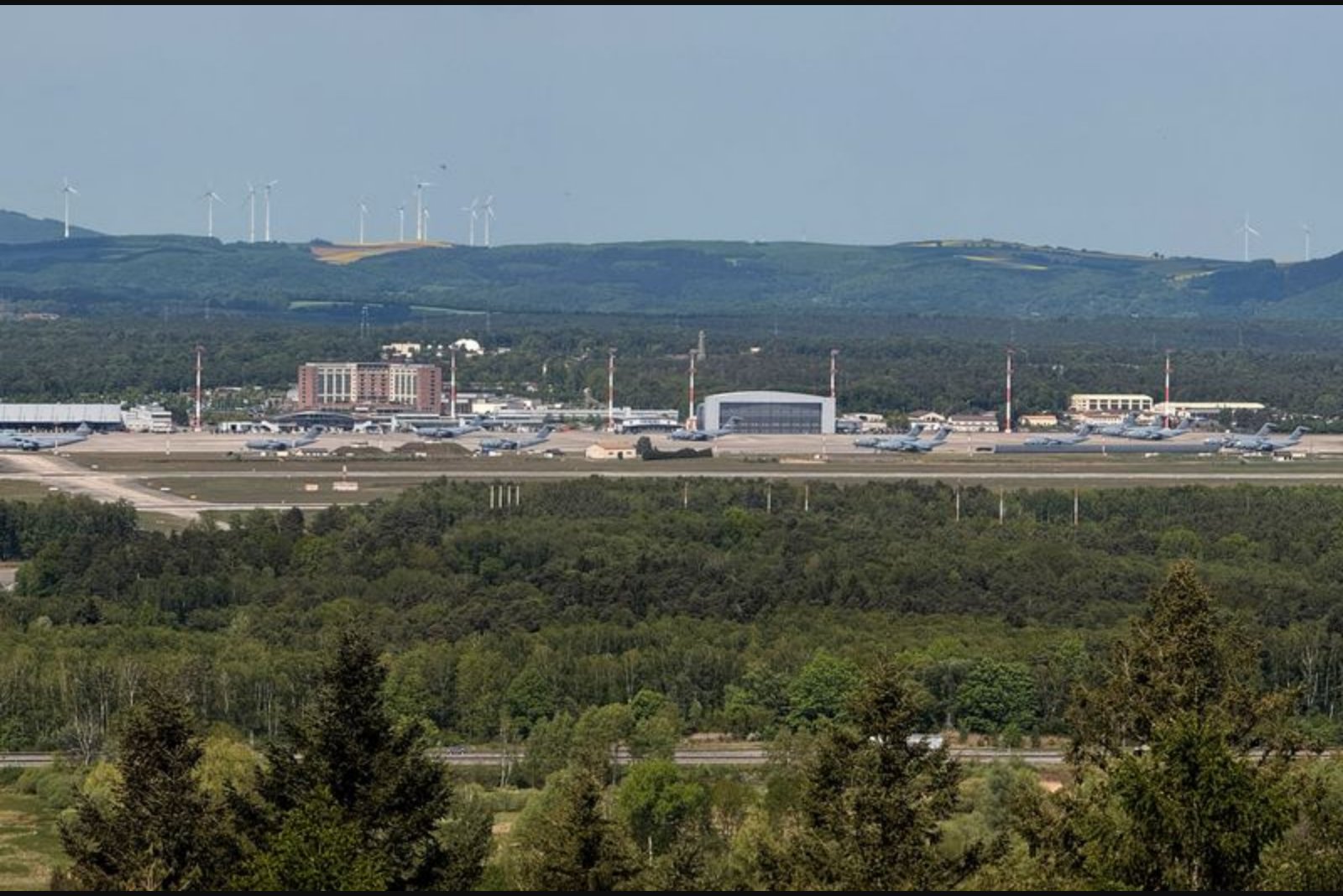
BERLIN - The German defence ministry said on Monday that the United States had not made a definitive decision to cancel a previously announced plan to station a battalion equipped with long-range Tomahawk missiles in Germany. The original plan, developed under former president Joe Biden, has become the subject of debate after Washington announced a reduction of 5,000 troops from its forces in Germany.
The US announcement, made last week, prompted widespread interpretation that the planned deployment of long-range weapons might be being abandoned. A defence ministry spokesperson in Berlin pushed back against that reading, saying:
"We’re not talking about a definitive cancellation."
The spokesperson added that the weapons had been "meant to be stationed (in Germany) and may well still be." The remark underscored that, from Berlin's perspective, the plan to host the Tomahawk-equipped battalion has not been conclusively ended.
Officials also pointed out that European countries had already begun making arrangements to acquire weapons systems that could close any gap should the US deployment not proceed. The ministry framed those procurement plans as a parallel effort to ensure the necessary capabilities remain available on the continent.
The Pentagon's announcement of the troop drawdown - from what it described as its largest base in Europe - came on Friday. The decision arrived amid tensions that include disagreements over the Iran war and disputes over tariffs, developments the article says have further strained relations between the United States and its European partners.
The long-range fires capability that the US deployment would have delivered was intended to provide an additional deterrent against Russia while European states pursued their own efforts to develop similar long-range missile systems. In that context, Berlin's comments emphasize both the unresolved status of the US plan and the simultaneous movement by Europeans to secure complementary systems.
Key points
- Germany says there has been no definitive cancellation of the US plan to deploy a Tomahawk-equipped battalion to Germany.
- Washington announced a reduction of 5,000 soldiers from its forces in Germany, a move widely taken to include the planned weapons deployment.
- European nations are already planning procurements to fill any capability gap while they develop long-range missile systems themselves.
Risks and uncertainties
- Uncertainty over whether the US deployment will proceed - affects defence postures and procurement timelines in Europe and could influence defence contractors and military planners.
- Strains in US-Europe relations tied to differences over the Iran war and tariff disputes - increases political risk around joint security initiatives and basing arrangements.
- Potential capability gap if the US deployment does not proceed before European systems are fielded - may affect regional deterrence calculations and defence spending priorities.