
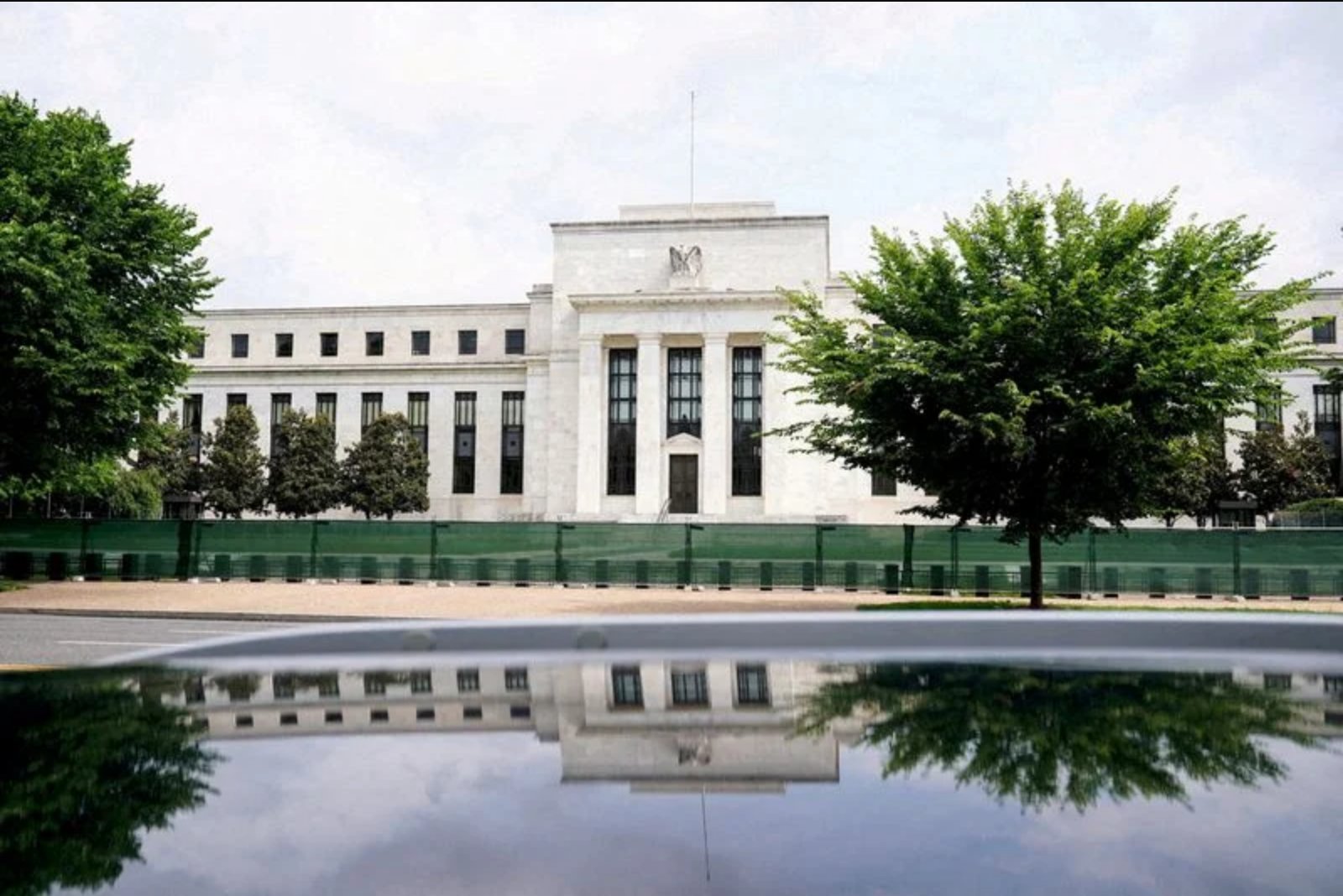
The Federal Reserve has confirmed that the outcomes of its annual comprehensive stress tests for major banking institutions will be made public on June 24. According to a statement released by the central bank, the findings are slated for release at 4 p.m. ET. These annual assessments are designed to evaluate the capacity of large banks to remain stable during hypothetical periods of economic contraction and heightened market volatility.
Examination Framework and Objectives
For the current cycle, the Fed subjected 32 major banks to a scenario modeling a severe global recession. This specific simulation included significant pressure points across several key sectors of the economy, specifically targeting:
- Commercial real estate markets
- Residential real estate markets
- Corporate debt markets
While these results are vital for assessing institutional health, the Federal Reserve clarified that the upcoming release will not result in changes to the capital requirements for large banks. However, the performance demonstrated during this annual exercise remains a primary factor in determining the specific size of the "stress capital buffer" that each bank is required to maintain to protect against potential losses.
Transparency and Historical Context
The Fed has recently moved toward greater transparency regarding these evaluations. In October, the central bank introduced an overhaul of its annual examination process. This initiative aims to increase clarity by disclosing how the agency develops its hypothetical economic downturn scenarios and by making its confidential models available for review.
Looking back at the 2025 testing cycle, the Fed reported that 22 of the nation's largest banks demonstrated sufficient strength to withstand a severe hypothetical economic downturn. In that previous instance, those institutions were able to maintain robust capital levels and continue lending operations even after experiencing losses totaling hundreds of billions of dollars.
Key Economic Impacts
The release of these results touches upon several critical areas of the financial ecosystem:
- Banking Sector Stability: The data will show how much capital banks must hold in their stress buffers, directly impacting their balance sheet management.
- Credit Availability: As seen in previous tests, a bank's ability to continue lending during downturns is a key metric of its resilience.
- Real Estate and Debt Markets: Because the simulation specifically included stress in real estate and corporate debt, the results will highlight vulnerabilities within these specific market segments.
Risks and Uncertainties
While the tests are designed to mitigate risk, certain uncertainties remain inherent in the process:
- Scenario Modeling: The effectiveness of the test relies on the Fed's ability to accurately model hypothetical economic downturns and market strains.
- Sector-Specific Volatility: There is inherent uncertainty regarding how heightened stress in commercial/residential real estate and corporate debt markets will manifest in actual economic conditions.