
Summary: The Federal Reserve's latest quarterly “dot plot” displayed 18 individual interest-rate-path submissions while the Fed's policymaking panel totals 19 members, a discrepancy that has prompted attention and speculation. Although the central bank did not identify which policymaker did not provide a projection, analysts are likely to associate the missing “dot” with Kevin Warsh, the sole newcomer to the committee this cycle and a known critic of forward guidance.
The Fed published its anonymized chart of individual rate-path views on Wednesday with one less submission than the full roster. The board did not name the individual who withheld a projection, and the central bank noted that just 17 of 19 policymakers submitted projections for 2028. The omission marks a departure from the pattern of complete participation that has accompanied the dot plot since it became a regular feature of Fed communications.
The dot plot has been published four times a year since 2012 to give the public an anonymized sense of where policymakers expect the policy rate to be in coming years - whether toward a cut, a hike, or an extended hold. Policymakers themselves acknowledge the dot plot's limitations: it does not reveal how individual projections for labor market measures or inflation shape each member's chosen rate path.
Despite those acknowledged imperfections, the dot plot has been part of a broader move toward greater transparency at the central bank. Officials have credited that expanded openness with helping investors and the public better understand the Fed's thinking, a development they say has made monetary policy more effective in practice.
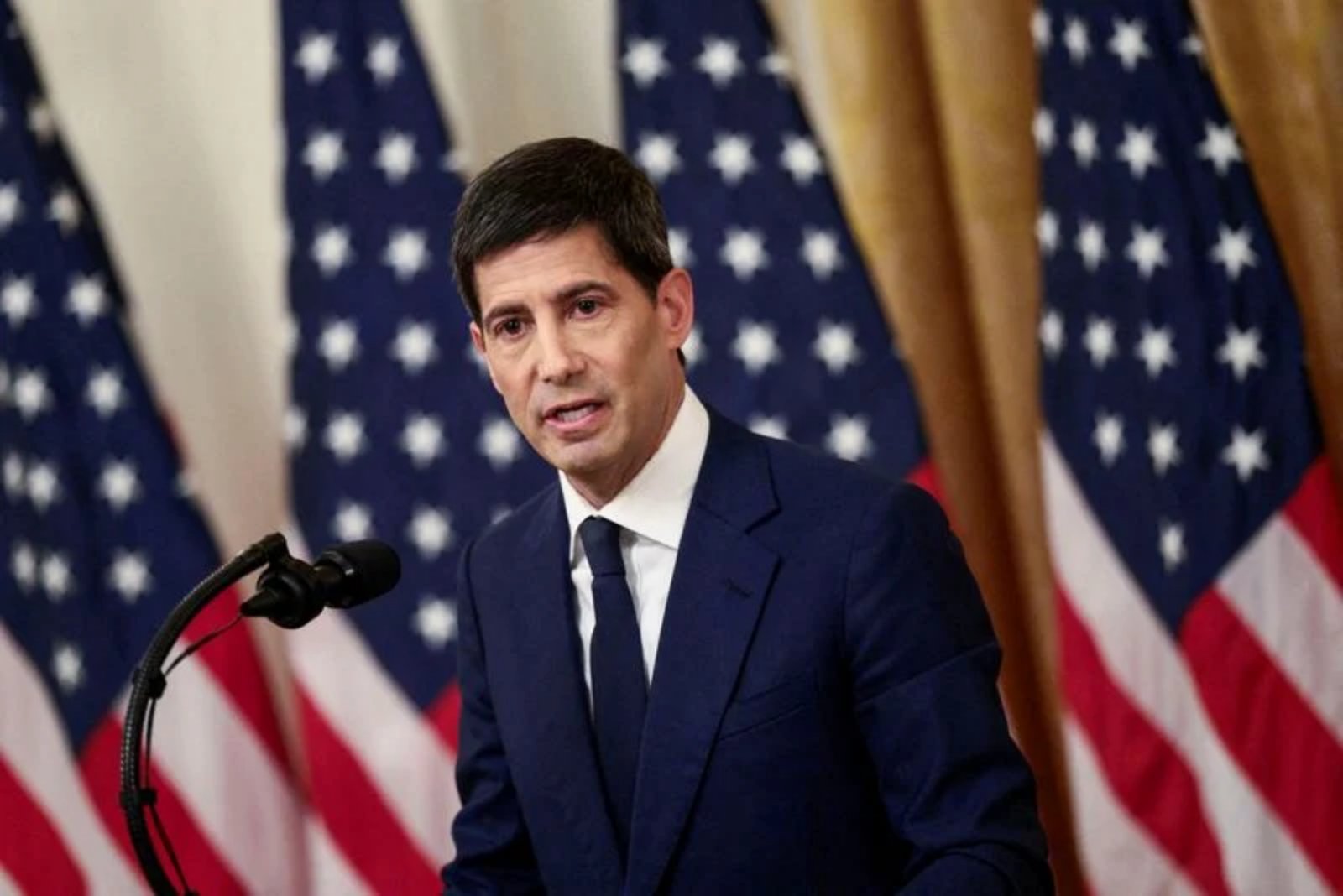
Kevin Warsh has a long record of criticizing forward guidance and the Fed's forecast-driven communications. His critique centers on the idea that pre-committed guidance can constrain policymakers, locking them into a particular projected path instead of allowing them to react to incoming economic data. Given that background and the fact that Warsh is the only new member at the table since the previous dot-plot release, market observers are expected to quickly attribute the missing submission to him.
That attribution, however, is not definitive. It is possible the absence signals nothing substantive about policy direction and instead reflects Warsh still settling into his new role three weeks after joining the committee. Nevertheless, the omission is likely to add fuel to debate over the future of the dot plot and the Fed's wider communication strategy.
There is precedent for incomplete participation. Former St. Louis Fed President James Bullard previously withheld a component of his submission - routinely supplying near-term rate-path projections but declining to give a longer-run estimate of the neutral rate. The Fed's disclosure that only 17 of 19 policymakers provided projections for 2028 echoes that partial-participation history.
How market participants and the broader public read this development will depend on subsequent statements and future Fed materials. For now, the Fed's published chart shows one fewer individual projection than the total number of policymakers, and the center of debate is likely to be whether that gap signals a change in how the central bank communicates its outlook.