
Dateline - LONDON/NEW YORK, June 26
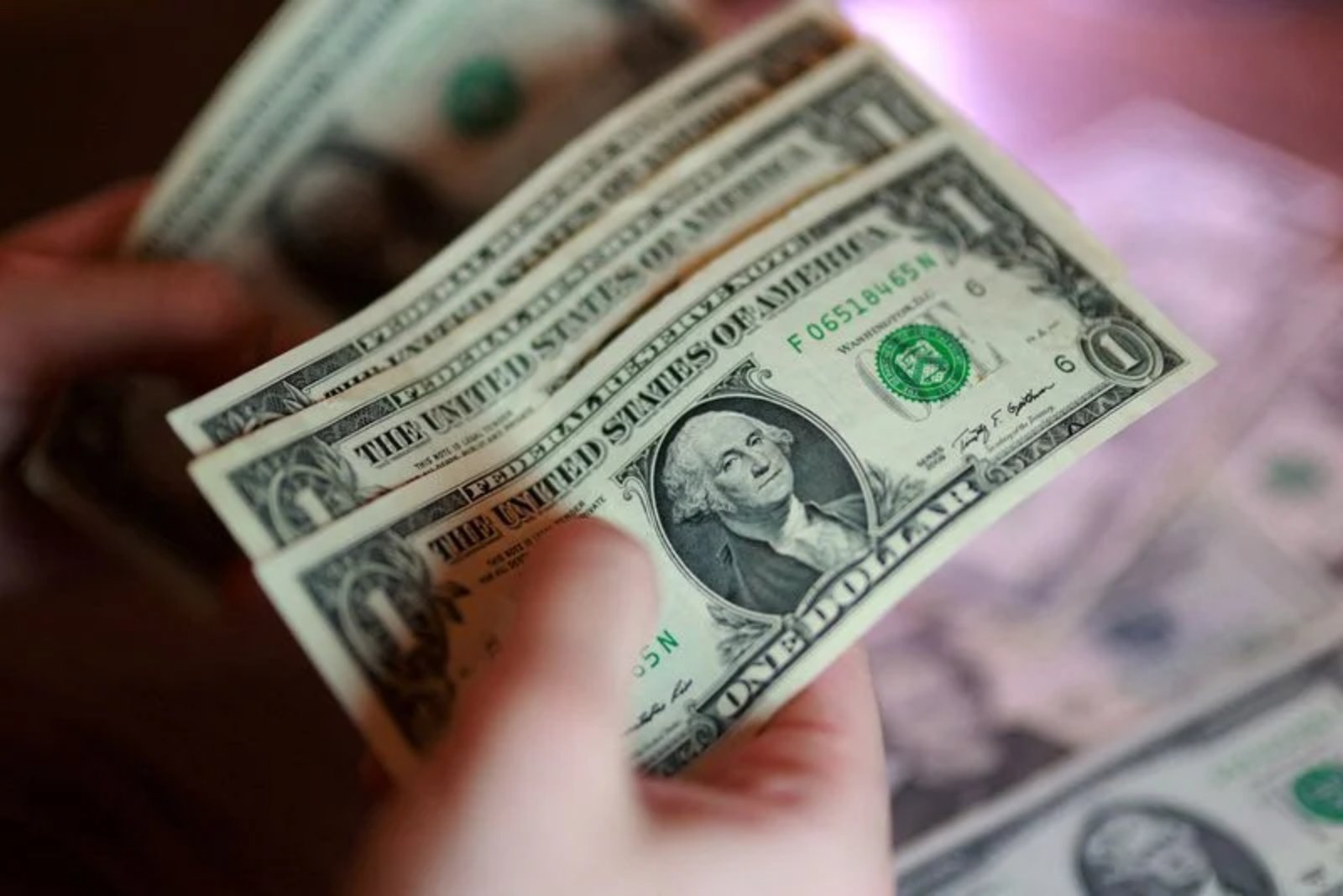
The dollar is entering the second half of 2026 from a position of notable strength, finishing the first six months of the year roughly 3% higher. That performance marks a sharp reversal from a year earlier, when the currency endured a more than 10% fall in the first half - its largest such decline since the early 1970s amid debates over U.S. tariff policy.
The current rally is built on two interlinked forces: investor demand for U.S. assets and expectations that U.S. interest rates will move higher rather than lower. A buoyant U.S. economy, driven in part by an AI-led investment wave, has reinforced the view that the Federal Reserve's next policy step will be a hike. That view has hardened in recent weeks: traders now expect at least one rate increase this year and assess a roughly 50/50 chance of a second, an upgrade from the near-zero chance priced a few weeks ago.
Geopolitical tensions have also supported the greenback, even as the possibility of a lasting ceasefire in Iran reduces near-term energy price and inflation risks. Still, core inflation remains well above the Fed's 2% target, and the hawkish tone from new Federal Reserve Chair Kevin Warsh has kept market focus tightly on inflation dynamics.
Market moves have been pronounced: the dollar sits at 40-year highs against the yen - a development that has alarmed Japanese officials - and is trading near year-high levels versus the euro. That elevated dollar makes imports into the United States more expensive for foreign buyers, yet demand for U.S. assets appears largely undeterred.
"The strong dollar is not welcomed by anyone in the world, including the United States," said Stephen Jen, chief executive and chief investment officer of Eurizon SLJ Asset Management. "But U.S. companies, and being in the U.S., are just too valuable (or) attractive. Foreign companies are investing heavily in the U.S. to have a foothold and that is also holding up the dollar."
Policymakers from Auckland to Zurich are contending with the consequences of weaker local currencies. While energy prices have eased, the cost of food, travel and other goods and services has advanced, potentially raising import bills. In South Korea, the won has reached record lows, contributing to an overheated equity market that has drawn the attention of regulators. Several emerging markets, including India, have taken steps to defend their currencies either by intervening directly or by raising interest rates.
Positions in financial markets reflect the dollar's bullish setup. Commodity Futures Trading Commission data show speculators hold a net long dollar position worth about $30 billion - the largest such position since the start of Donald Trump's second presidency. The net long position increased by roughly $37 billion over the first half of the year, a pace of accumulation that the CFTC says is the fastest for any first half since its records began in 2012.
Investors cited rising real rates in the U.S. as a key nearby driver of further dollar appreciation. "I certainly think in the near term, the risk is that you get a stronger dollar because of this increase to real rates in the U.S.," said Joseph Purtell, a portfolio manager at Neuberger. He added that his firm still expects the dollar to weaken over the longer term on structural concerns, such as the sustainability of U.S. government finances, but judged a near-term breakout to stronger levels as likely.
U.S. economic data have delivered a string of positive surprises since April, and corporate earnings growth has so far exceeded expectations. That strength has coincided with outsized investor interest tied to the AI investment cycle and large public offerings. Morgan Stanley warned in a note that the euro could fall to $1.10 in the near term if markets remain intent on pricing a hawkish Fed; the euro is trading around $1.135.
Equity market flows underscore the differential: Bank of America estimates an unprecedented $341 billion has flowed into U.S. equities so far this year, up from a year-to-date total of $134 billion at the same point last year. The influx of capital is tied in part to investors chasing exposure to hyperscalers and other companies expanding capacity for AI, including data-centre builders and firms developing quantum computing capabilities - sectors that some investors view as central to future growth.
"If we think that growth tomorrow is a combination of calculation capacities, energy, and to some extent, labour, which country and which geography is in the best position to benefit from this environment? It's the United States - the winner takes it all," said Mabrouk Chetouane, global head of market strategy at Natixis Investment Management.
Where this matters
- Currency markets - the dollar's strength reshapes cross-border pricing and exchange-rate strategies.
- Equities - record inflows into U.S. stocks, particularly in AI-related sectors, support higher valuations.
- Policy - central banks and governments face pressure to respond to currency moves that affect import costs and domestic inflation.
Bottom line
As the year progresses, the dollar's trajectory will be strongly influenced by U.S. growth, Fed policy signals, and investor allocation into technology and AI-related assets. For now, the combination of those forces has put the dollar in the lead at midyear, while other economies navigate the consequences of a dominant U.S. currency.