
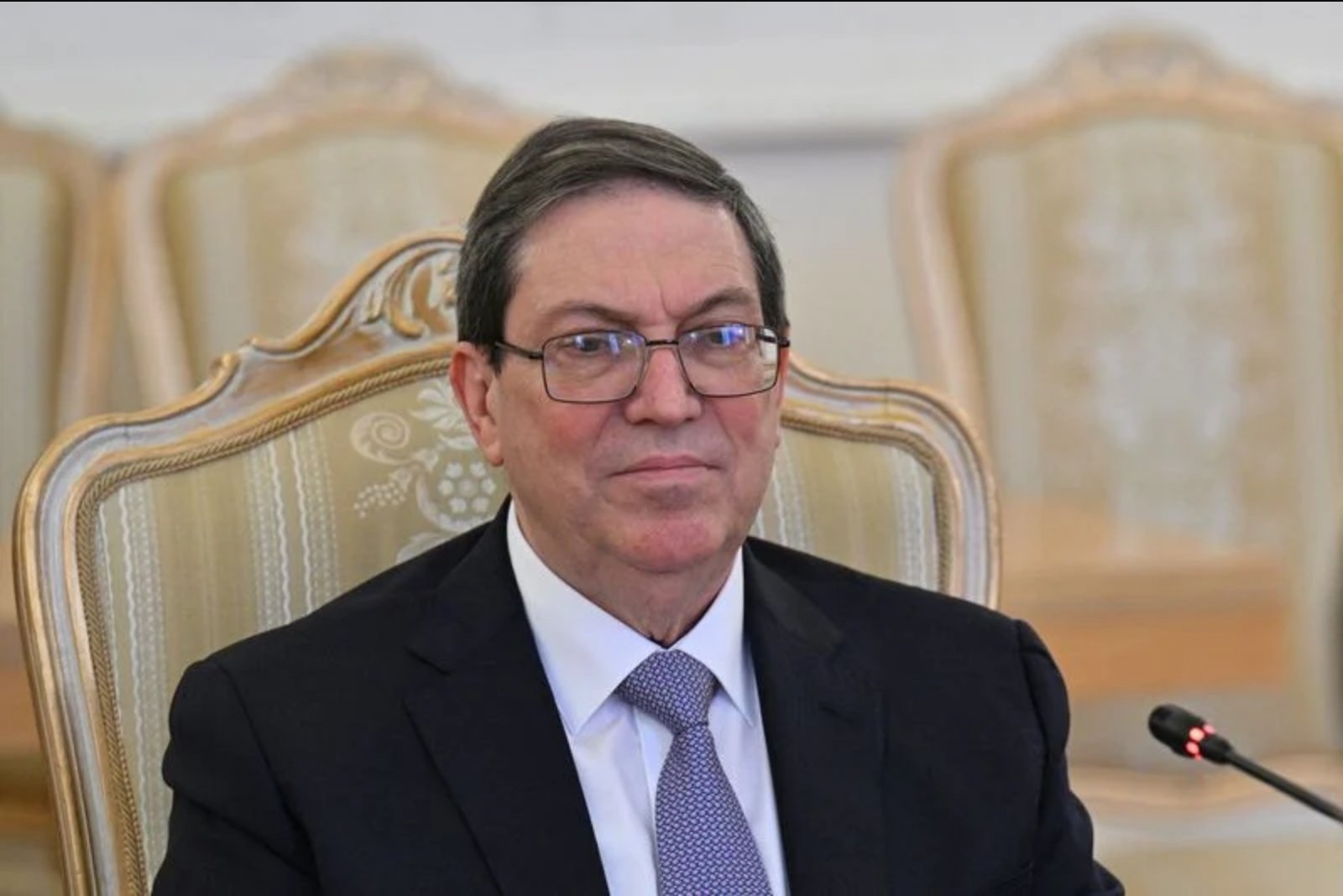
Cuba's foreign minister said on June 30 that the diplomatic talks begun earlier this year with the United States have yielded no progress, and he warned that U.S. sanctions are intensifying a humanitarian crisis as the island's economy deteriorates.
Speaking at a press briefing in Havana, Bruno Rodriguez described the island's economic situation as collapsing, with severe shortages of food, fuel, medicine and electricity that have left life almost unbearable for the country's approximately 9 million residents. He added that U.S. sanctions were "causing deaths," and framed the stalling of discussions as evidence that current measures were not resolving differences.
Rodriguez characterized the conduct of U.S. government delegations during talks as generally respectful but said such interactions had been "accompanied by constant threats against Cuba, the application of coercive measures, and offensive statements regarding our country’s independence." He reiterated that, despite these tensions, Cuba remains open to negotiation and seeks peaceful resolution of differences on the basis of mutual respect and non-interference in internal affairs.
The U.S. State Department did not immediately respond to a request for comment on the foreign minister's statement.
Diplomatic dispute and U.S. policy stance
U.S. authorities have labeled Cuba's government a national security threat and maintain that sanctions are a necessary lever to pressure a change in the island's government - a longstanding aim of U.S. policy toward Cuba, officials say. Cuba, for its part, rejects the characterization and has consistently said it does not pose a threat to the United States.
United Nations experts have previously described the fuel blockade implemented in January as illegal and a violation of the human rights of Cubans. Rodriguez charged that the U.S. State Department was "pressuring and intimidating" U.N. member states to postpone an imminent floor debate over the U.S. blockade, which is slated for July 7. That debate typically precedes a largely symbolic, non-binding U.N. vote later in the year calling on the United States to end its sanctions against Cuba.
The United Nations has requested an end to the trade embargo 31 times, including in November of 2025, with those votes traditionally near unanimous and usually only the United States and Israel opposing. Rodriguez said this year's vote carries added weight because of the fuel blockade and other fresh sanctions imposed in January by the Trump administration, measures he said have prompted an exodus of foreign investment and the near total collapse of tourism on the island.
Aid delivery and claims of obstruction
Rodriguez also said that promised humanitarian aid from the United States, intended to be distributed by church groups, appeared to have been delayed. He suggested the delay was connected to broader political pressures around the blockade debate and bilateral relations.
The State Department did not respond to questions about the United Nations vote, but it did indicate that the promised aid to Cuba should begin to flow shortly, while asserting that Cuba's government had been stalling delivery. A State Department spokesperson said, "We can confirm the aid is ready to go. We expect big shipments in July, if the regime will allow them."
Domestic reforms and sovereignty
Separately, Cuban lawmakers earlier this month approved wide-ranging economic reforms that, if implemented, would represent the most significant change to the country's socialist model since the 1959 revolution and a major move toward a market-oriented approach to the economy. Rodriguez insisted that those reforms were a matter of sovereignty and unrelated to what he described as U.S. threats or sanctions.
"The (reforms) adopted are a matter of sovereignty," Rodriguez said. "We have neither listened to nor are we interested in the United States' opinion."
Implications and context
The foreign minister's remarks outline a diplomatic impasse in which bilateral talks have not produced relief from measures that Cuban officials say are deepening shortages and undermining public welfare. In parallel, the administration of aid and the scheduling of international debates over the blockade have become additional points of contention, while domestic economic policy is being reshaped through sweeping reforms that Havana describes as independent of external pressure.
How these strands—stalled talks, contested aid delivery, altered U.N. dynamics and internal economic overhaul—will interact remains tied to decisions by both governments and by international actors responding to the scheduled U.N. debate and the stated intention to deploy humanitarian shipments.