
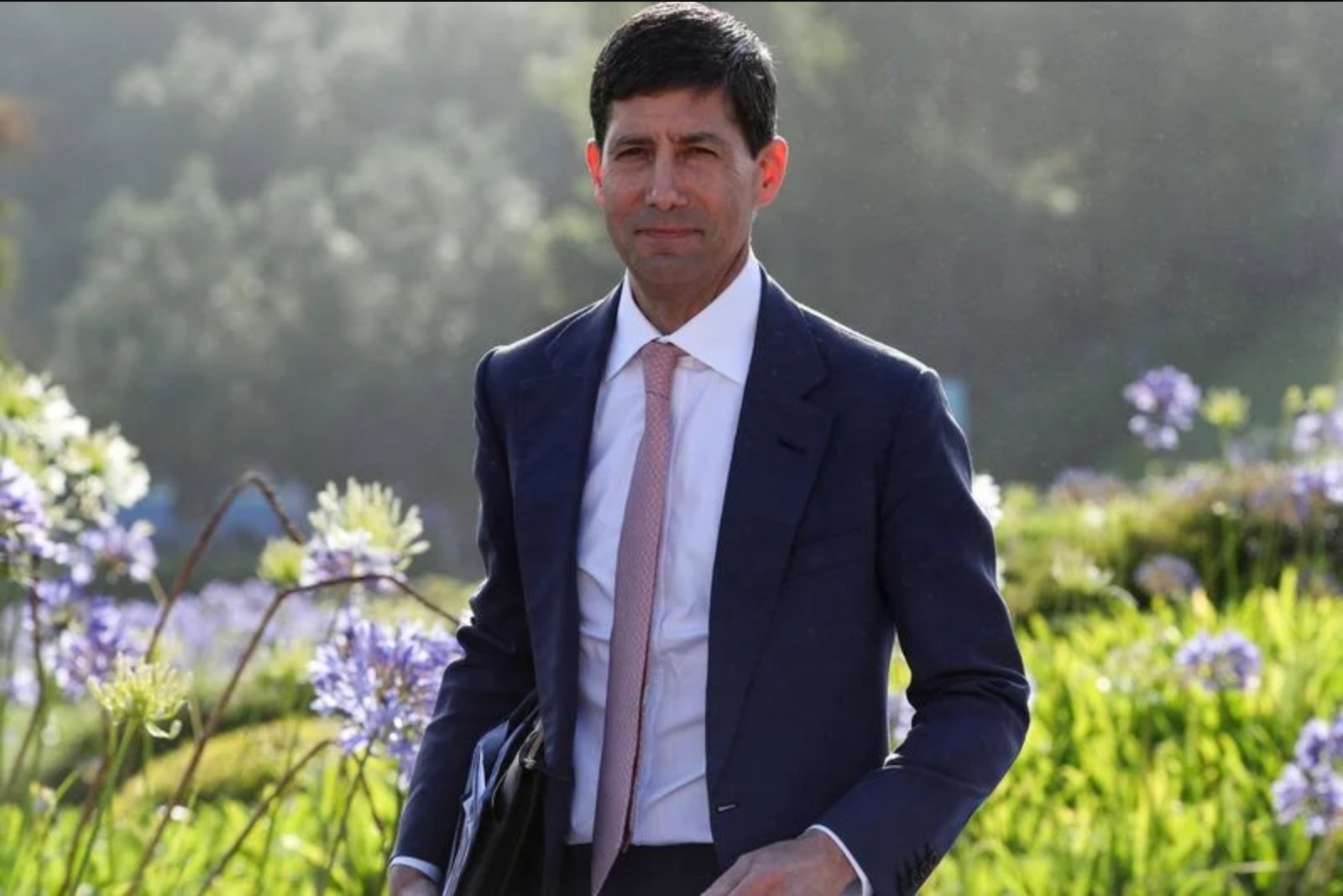
Federal Reserve Chairman Kevin Warsh told central bank peers on Wednesday that he expects to reveal some of the outside experts who will serve on a series of advisory task forces designed to examine how the Fed operates. Speaking at a gathering of central bank leaders hosted by the European Central Bank in Sintra, Portugal, Warsh said the identities of several non-Federal Reserve participants will be disclosed shortly.
"I can tell you likely next week who will be the outside experts" serving on these task forces, Warsh said at the Sintra panel. He added that the roster will include individuals from outside the United States as well as people who previously occupied central banking roles or who have academic backgrounds in economics.
Warsh did not provide specific names at the panel. He explained the rationale for seeking help beyond U.S. borders by saying the Fed sought "the best minds" in the economics community and that input from foreign experts can provide useful perspective. Bloomberg reported on Wednesday that former Bank of England chief Mervyn King, who stepped down in 2013, would chair one of the panels.
Invoking the 19th-century French thinker Alexis de Tocqueville, Warsh said the point is not to require outsiders to adopt American ways, but to allow an external viewpoint that can sometimes see things more clearly. "We’re not asking for de Tocqueville to come to America, but sometimes we need a foreigner to sort of see things clearly, and the idea of these is not to prejudge the outcomes," he said.
Warsh indicated he is keeping an open mind about the task forces and their potential findings. He suggested the work could produce lessons useful not only to the Fed’s newer leadership but also to his counterparts on the panel, which included leaders of the ECB, the Bank of England and the Bank of Canada.
Earlier, at the post-meeting press conference following the Federal Open Market Committee session on June 16-17, Warsh announced the creation of five task forces. Their scopes are to study:
- Federal Reserve communications;
- The central bank balance sheet;
- How the Fed employs economic data in decision making;
- Productivity and jobs;
- The Fed’s inflation framework.
These groups are advisory in nature. Any recommendations they produce would need the backing of the rest of the Federal Reserve leadership before being converted into formal policy changes, Warsh noted. The ultimate decision-making authority remains with the institution’s leadership team.
The announcement of the task forces follows Warsh’s confirmation to lead the Federal Reserve in May. During his campaign for the leadership role, he criticized aspects of the Fed’s recent conduct, calling for substantive change and the challenging of entrenched practices. Since taking office, Warsh has frequently declined to offer guidance about the central bank’s monetary policy outlook, and he has voiced criticism over how the Fed communicates and uses its balance sheet to implement policy.
Warsh also noted that his previous advisory role with the Bank of England mirrors the current move to enlist foreign expertise for the Fed’s review panels. He emphasized that the panels are not intended to predetermine results and that the selection process aims to assemble diverse perspectives from former central bankers and academics.
While Warsh promised that names of some outside experts will be made public imminently, he did not provide a full list of appointments or clear timelines beyond saying announcements would likely come next week. The extent to which these advisory panels will influence Fed operations will depend on whether their recommendations obtain support from the broader central bank leadership.