
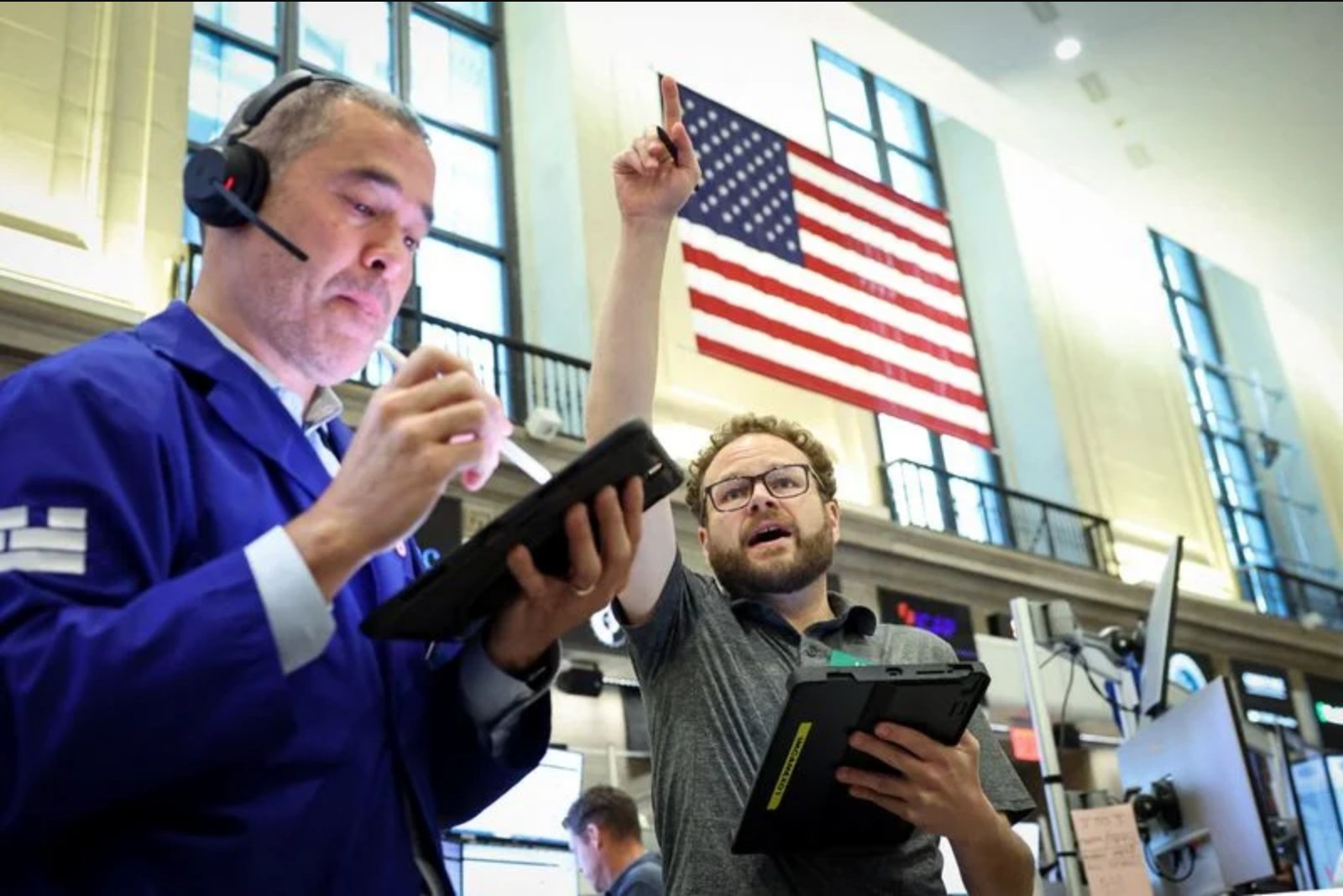
The market landscape on Monday was defined by a complex interplay of geopolitical developments and technological momentum. The primary driver for the initial market sentiment involved the status of a potential ceasefire between the United States and Iran. While headlines presented conflicting views, comments from President Donald Trump suggesting that talks were continuing provided enough stability to allow equities to join a broader global rally led by artificial intelligence optimism.
Market Performance and Sector Divergence
The breadth of Monday's market movement was notably narrow. While the major U.S. indexes reached new milestones, the underlying sector performance tells a story of significant divergence. Out of the 11 sectors comprising the S&P 500, only two managed to post gains:
- Technology: Advanced by 2.5%
- Energy: Increased by 1.9%
The remaining nine sectors experienced losses, with the utilities sector seeing the sharpest decline of 3%. Consumer discretionary stocks also struggled, falling by 2.6%. This concentration highlights a market where a few specific themes are driving indices higher despite weakness in broader economic sectors.
Individual stock performance reflected this tech-centric volatility. In the technology space, Dell and Oracle both saw gains of 10%, while Nvidia rose by 6% and Micron surpassed the $1,000 mark. Hewlett Packard experienced a massive surge of 35% in after-hours trading following its recent results. Conversely, other major players faced setbacks: Qualcomm dropped 9%, while Meta and Intel both saw declines.
In the foreign exchange and commodity markets, the U.S. Dollar strengthened broadly, with the USD/JPY pair moving toward the 160.00 level. In currencies, the New Zealand Dollar and Swedish Krona were among the largest G10 decliners, falling by 1%, while the Argentine Peso dropped 1.5%. Bitcoin saw a decline of 3%, reaching its lowest point since mid-April. The commodities market saw a spike in oil prices, with Brent up 5% and WTI rising 6%, even as U.S. natural gas fell by 3%. Gold experienced a 1% decrease, and Treasury yields rose by as much as 3 basis points.
The AI IPO Wave and Infrastructure Expansion
Artificial intelligence continues to be the primary engine of market enthusiasm. This was evidenced by Nvidia's announcement of a new chip designed to integrate AI capabilities directly into personal computers, including laptops and desktops. This move expands the reach of AI from data centers to individual consumer hardware.
The IPO landscape is also heating up due to the AI frenzy. Anthropic has reportedly made a confidential filing for a U.S. IPO, as investors continue to place large bets on the future of the sector. Reports also suggest that OpenAI is preparing a similar filing, while SpaceX is scheduled to price its IPO later this month. Collectively, these upcoming market entries represent a potential total market capitalization valuation of up to $4 trillion in the coming weeks. While the actual value of shares floated may be significantly lower than these total valuations, the influx of such massive entities raises questions regarding the market's capacity to absorb new issuances and whether such activity indicates a peak in market exuberance.
Manufacturing Resilience and Economic Divergence
Recent ISM data provides an unexpected signal regarding the health of U.S. manufacturing. The figures indicate that manufacturing activity is expanding at its fastest pace in four years, a trend attributed to AI-related capital expenditure. This expansion comes despite several headwinds that typically weigh on economic growth, such as tariffs, inflationary pressures, and record-low consumer confidence levels.
This divergence suggests an economy operating on two different tracks, often described as a "K-shaped" recovery. On one side, corporate America and wealthy asset owners are benefiting from the massive capital expenditure cycle driven by AI. On the other, personal saving rates have fallen to historic lows. While some economists might suggest that firms are front-loading orders in anticipation of potential downturns caused by war, tariffs, or price pressures, current data shows factories maintaining brisk business levels.
Key Market Drivers and Risks
As investors look ahead, several factors remain critical to market direction. The following key points summarize the primary drivers of recent activity:
- AI Capital Expenditure: The ongoing investment in AI infrastructure is driving both manufacturing growth and stock valuations in the tech sector.
- Geopolitical Volatility: Developments in the Middle East, specifically regarding Iran and potential conflicts involving Israel and Lebanon, continue to cause shocks in energy markets and supply chains.
- IPO Market Liquidity: The massive scale of upcoming AI-related IPOs tests the market's ability to integrate new, high-valuation companies without disrupting existing stability.
The following risks and uncertainties are explicitly highlighted by current market conditions:
- Concentration Risk: The extreme narrowness of market leadership—where only two sectors drive index highs while nine fall—creates a vulnerability if tech or energy trends shift.
- Supply Chain Shocks: Potential conflicts, such as those involving Iran, pose risks to factory costs and global supply stability.
- Macroeconomic Pressures: Despite manufacturing strength, the combination of tariffs, inflation, and low consumer confidence remains a significant uncertainty for long-term economic stability.
Looking forward, markets will be monitoring several upcoming data points and events, including Australian current account figures, inflation data from South Korea and the Eurozone, U.S. JOLTS job openings, and various speeches from Federal Reserve officials and Bank of England leadership.