
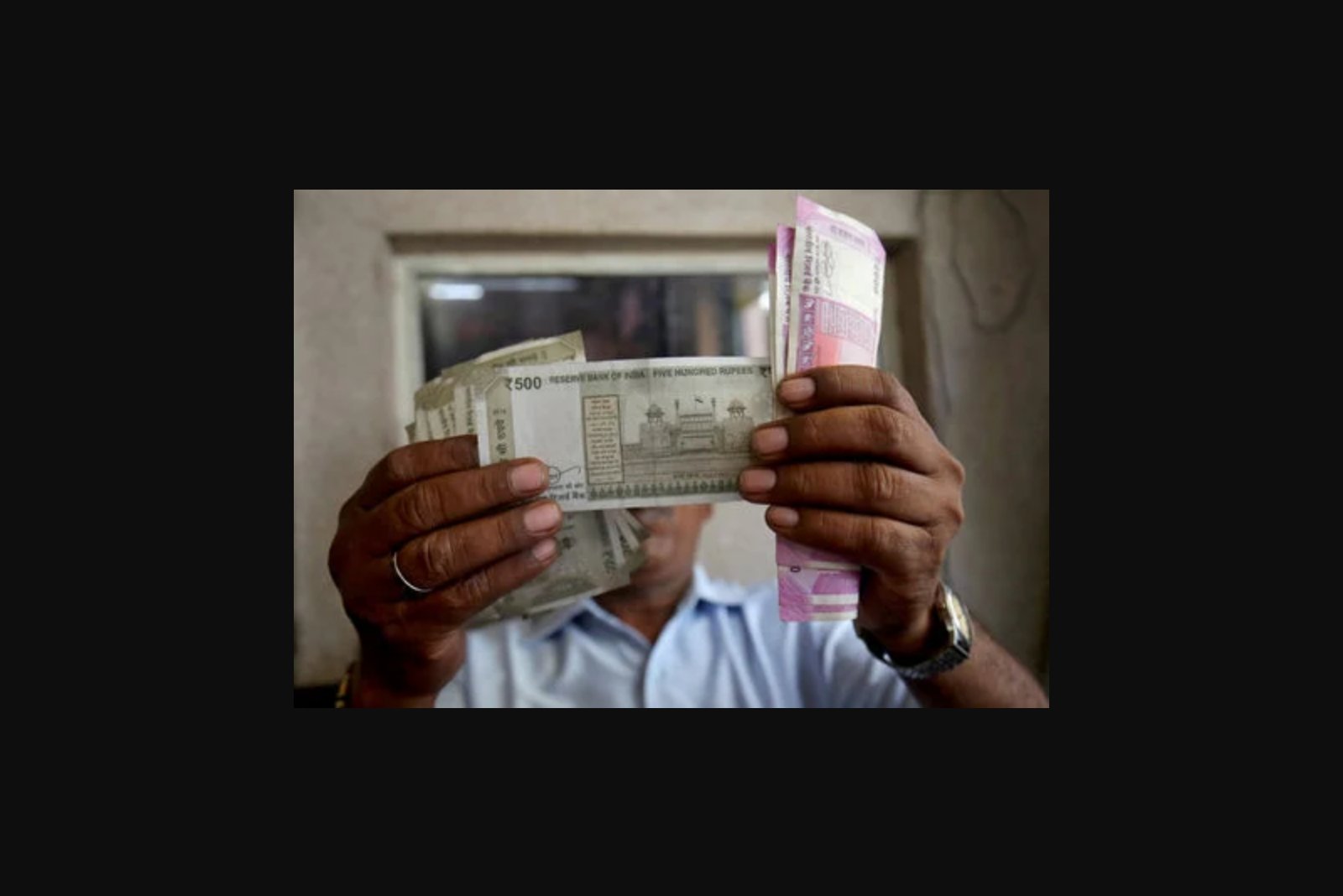
Most Asian currencies were broadly unchanged on Monday while the U.S. dollar remained near an 18-month high, with investors awaiting U.S. consumer inflation data due later in the week. Against that backdrop, the Indian rupee diverged from peers, strengthening sharply after the Reserve Bank of India unveiled a suite of measures aimed at limiting dollar demand and speculative activity.
The U.S. Dollar Index, which tracks the greenback against a basket of six major currencies, was steady at 102.17 by 23:42 ET (03:42 GMT), keeping it close to last week’s peak.
Rupee response to RBI measures
The USD/INR pair initially fell as much as 1.1% to 95.739 rupees and was last trading 0.7% higher at 96.07. The Reserve Bank of India announced a package of steps over the weekend intended to reduce dollar demand in the market and deter speculative trading.
The measures include a ban on the rebooking of cancelled rupee-linked foreign-exchange derivative contracts, tighter rules on transactions that lack underlying exposure, and a requirement for banks to set aside cash against certain foreign-exchange contracts. Separately, the RBI opened a special window allowing state-run oil marketing companies to purchase dollars directly from the central bank, which is intended to take some of their demand out of the spot market.
Several elements of the package were reiterated in multiple descriptions of the plan: supplying dollars directly to three state-run oil marketing companies, restricting rebooking of cancelled rupee-linked FX derivatives, and requiring banks to hold cash reserves against specified FX contracts.
Market analysts noted the likely impact on currency depreciation. "In all, the central bank continues to support the rupee, helping to slow the pace of currency depreciation," MUFG analysts said in a note.
Other Asian FX moves
- The South Korean won strengthened, with USD/KRW falling 0.6% to 1,332.58 won, its lowest level since October 2024. The move was supported by record export growth, heavy semiconductor dollar receipts and a widening current-account surplus, which have increased dollar supply in South Korea’s foreign-exchange market.
- Japan’s yen saw USD/JPY tick down around 0.1%.
- China’s yuan remained broadly flat in both onshore and offshore markets, with USD/CNY and USD/CNH trading largely unchanged.
- The Singapore dollar edged stronger versus the dollar, leaving USD/SGD down about 0.1%, while the Australian dollar was largely unchanged against the greenback.
Geopolitical and energy developments
The dollar’s resilience was supported in part by heightened geopolitical tensions in the Middle East. Attacks by Yemen’s Iran-backed Houthi militants on Saudi Arabia and strikes on tankers over the weekend raised concerns about potential disruptions to energy supplies.
Brent crude futures fell more than 1% to near $103 a barrel in Asian trading after U.S. President Donald Trump announced that Russia and Ukraine had agreed to an immediate ceasefire covering attacks on energy infrastructure. Trump provided few details on the announcement. Ukrainian President Volodymyr Zelenskiy said Kyiv supported the proposal but was awaiting details from Washington. Russia had not immediately confirmed the agreement, leaving uncertainty about whether it would hold.
Focus on U.S. inflation and the Fed
Investors are looking ahead to Wednesday’s U.S. consumer price index report for guidance on the Federal Reserve’s next policy decision. The CPI release is one of the last key economic indicators ahead of the Fed’s late-October meeting. Traders have increasingly priced in the likelihood that policymakers will leave interest rates unchanged this month.
Markets were pricing in an 81% probability of a rate hold, compared with 51% a month earlier, according to CME FedWatch data.
With the dollar near multi-quarter highs, the interplay between incoming U.S. data, central bank actions such as the RBI’s measures, and geopolitics will determine near-term currency moves across the region.