
Commodities November 27, 2026 03:36 AM

Zelenskiy Rejects Trump’s Label of Putin as a 'Friend', Comparing It to Praise for Hitler

Ukrainian president calls characterization of Vladimir Putin as a friend 'strange' and equates it to applauding Hitler during World War II

By Avery Klein
Share
Twitter Reddit Facebook LinkedIn

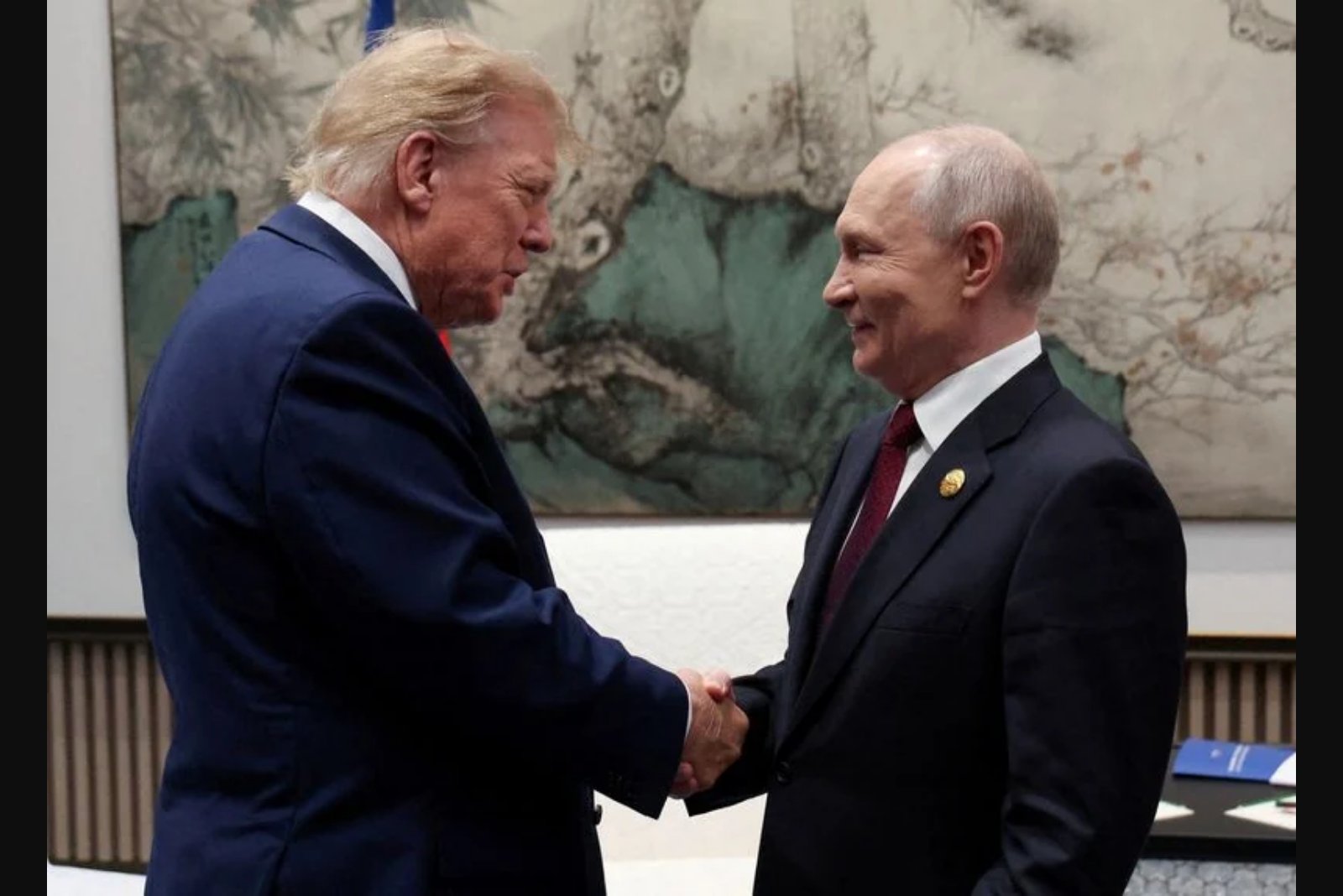
In a BBC interview, Ukraine’s Volodymyr Zelenskiy criticized US President Donald Trump’s public description of Russia’s Vladimir Putin as a ‘‘friend,’’ calling the remark ‘‘strange’’ and saying Putin is an aggressor and a killer who cannot be considered a friend. Zelenskiy compared such an appraisal to calling Adolf Hitler a friend during World War Two. The comments came a week after Trump embraced Putin at a summit in China and later posted a photo on Truth Social labelled "My Friend." The exchange follows a history of tension between Trump and Zelenskiy, including a public rebuke in February 2025 and recent disputes over Ukrainian strikes on Russian refineries, energy costs, and US intelligence support.

Zelenskiy Rejects Trump’s Label of Putin as a 'Friend', Comparing It to Praise for Hitler
Summarize with
ChatGPT Perplexity Claude Grok Gemini

Key Points

  • Zelenskiy called Trump’s description of Putin as a friend "strange" and equated it to praising Hitler during World War Two - impacts political and diplomatic relations.
  • The comments followed a summit in China where Trump embraced Putin and later posted a photo labelled "My Friend" on Truth Social - relevant to political optics and international diplomacy.
  • The exchange occurs amid ongoing tensions between Trump and Zelenskiy, including a public rebuke in February 2025 and disputes over Ukrainian strikes on Russian refineries, energy costs, and US intelligence support - sectors affected include energy and defense/intelligence.

Ukraine’s president expressed sharp disapproval of US President Donald Trump referring to Russia’s leader as a friend, describing the remark as ‘‘strange’’ and drawing an explicit analogy to applauding Adolf Hitler during World War Two.

In a televised interview with the BBC, Volodymyr Zelenskiy spoke in English and said it was Trump’s prerogative to say or post what he wished, but emphasised that calling Vladimir Putin a friend did not make sense to him. "He’s an aggressor ... and a killer. He can’t be a friend," Zelenskiy said.

He went on to equate the sentiment to praising Nazi Germany’s leader at the height of the Second World War, arguing that describing Hitler as a friend would be equally incomprehensible. "It’s the same that somebody say about Hitler during the Second World War that he’s a good friend. No, he’s not a friend," he said.

Zelenskiy’s remarks followed a summit in China, held roughly a week earlier, at which Trump publicly embraced Putin and later shared a photograph of the two leaders shaking hands. Days after that meeting, Trump posted the image on his Truth Social platform with the caption "My Friend."

The relationship between Trump and Zelenskiy has been strained for some time. The two leaders had a highly visible fall-out in February 2025 when the US president rebuked the Ukrainian leader in the Oval Office. More recently the pair have clashed over geopolitical and security issues.

Trump has blamed Ukrainian strikes on Russian refineries for contributing to higher energy costs and has threatened to withhold intelligence support. Zelenskiy has countered that Trump’s stance risks encouraging Moscow to continue attacks on Ukraine.

The interview reiterated Zelenskiy’s position that Putin’s actions disqualify him from any characterization as a friend, and it underscored the ongoing friction between Kyiv and Washington under the current US administration.


Context and implications

  • The exchange highlights a diplomatic rift that touches on public rhetoric, intelligence cooperation, and energy-related arguments.
  • Zelenskiy framed his remarks in moral terms, directly rejecting any friendly portrayal of Russia’s president.
  • The disagreement follows highly visible encounters between the US and Russian leaders and continued tensions over the conflict in Ukraine.

Risks

  • Potential strain on intelligence collaboration if threats to cut off support persist - impacts the defense and intelligence sectors.
  • Public rhetoric framing between world leaders could influence energy market perceptions, given debates about strikes on refineries and high energy costs - impacts the energy sector.
  • Ongoing diplomatic tensions risk further political friction between Kyiv and Washington, which could complicate coordination on security and reconstruction efforts - impacts broader geopolitical stability and defense-related markets.

More from Commodities

BofA Holds 2027 Brent Forecast at $80 a Barrel, Cites Geopolitics as Primary Driver Nov 27, 2026 U.S. Pressured Venezuela and Iraq to Weigh OPEC Exit, Officials Say Nov 27, 2026 Oil Edges Higher for Weekly Gain as Attacks in Gulf Threaten Shipping Recovery Nov 26, 2026 Gold Edges Up After Sharp Drop, Still Near 15-Month Low as Rate Hike Odds Rise Nov 26, 2026 Coastal storm batters US East Coast, causing widespread outages and travel disruption Nov 26, 2026