
WASHINGTON - The U.S. Trade Representative's office this week opened an intensive, four-day hearing to investigate what officials describe as excess industrial capacity in 16 major trading partners, including China, the European Union, Japan, South Korea, Mexico and Vietnam. The inquiry, conducted under Section 301, has exposed a split among U.S. stakeholders over whether to respond with broader import duties.
The hearing, which began on Tuesday, is expected to run through Friday and will take testimony from nearly 150 representatives of companies, trade associations, foreign governments and think tanks, according to the USTR schedule. Trade observers widely anticipate the probe could result in new import duties as the administration seeks tools to rebuild tariff leverage following a legal setback to earlier global tariffs invoked under a national emergencies law.
U.S. Trade Representative Jamieson Greer has indicated a compressed timetable for the investigations. He said he wants to complete this Section 301 probe and a parallel inquiry into enforcement of anti-forced labor laws by July, when a temporary global 10% tariff is due to expire. The forced labor probe drew two days of testimony last week and covers about 60 countries.
Arguments from manufacturing and steelmakers
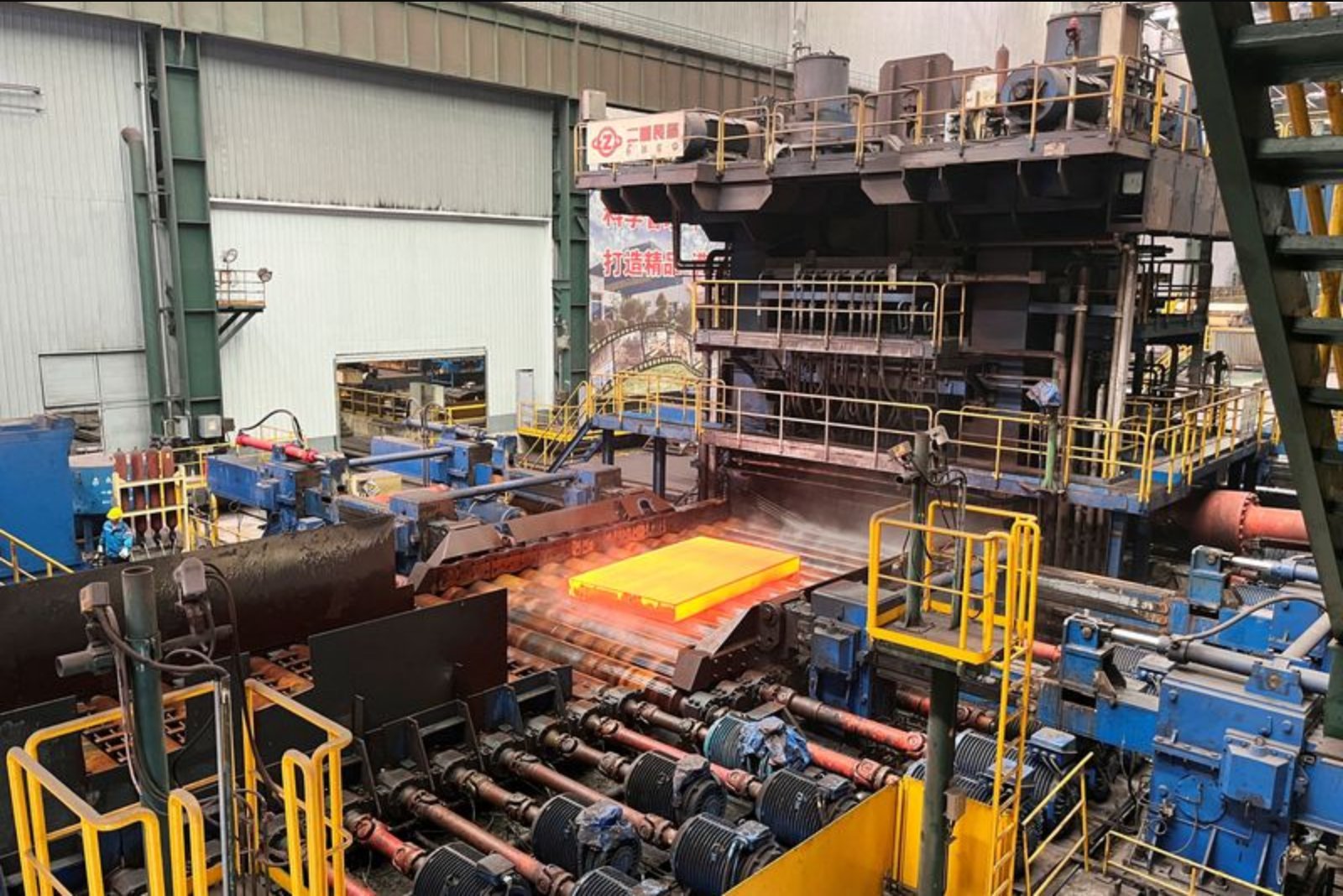
Representatives of domestic manufacturing sectors urged stronger measures during the hearings, arguing that rising exports from countries with underused industrial capacity are harming U.S. producers. Brandon Farris, executive vice president of the Steel Manufacturers Association, said in prepared testimony that additional Section 301 curbs are required "to confront the scourge of excess capacity, which threatens American jobs, undermines fair competition and erodes our manufacturing base."
Farris noted that, while China is the main source of excess steel capacity, other countries are sustaining their steel sectors and contributing to a global glut. He cited figures indicating the European Union has about 85 million metric tons of excess steelmaking capacity - nearly matching U.S. production of 89 million tons last year - and put unused capacity estimates for South Korea at about 18 million tons and for Taiwan at roughly 10.2 million tons. The U.S. has already imposed 50% tariffs on global steel imports under a separate national security statute, but Farris warned surges from nations "unwilling to right-size" their steel sectors persist.
USTR's official notice for the probe explicitly cited the automotive sector in China and Japan, flagging concerns that a growing number of companies in those countries were unprofitable or unable to meet interest payments. The probe will analyze capacity utilization and profitability in countries with large and persistent trade surpluses with the United States, according to USTR statements made when the investigation was launched in mid-March.
Calls for a focused, allied response on China
Some witnesses urged a targeted approach, concentrating on China because of its scale and strategic ambitions. Emily Kilcrease, a senior fellow at the Center for a New American Security, said in prepared testimony that U.S. actions should be focused on China, which she characterized as having a large and growing structural excess capacity and plans to dominate strategic sectors like legacy semiconductors. Kilcrease called China’s capacity a "strategic problem" for the United States and argued that excess capacity in other economies does not pose the same economic and national security threat. She said that if China’s excess capacity is uniquely consequential, then a coordinated approach with U.S. allies would be preferable to unilateral measures, with allied countries working together to build sufficient scale in strategic materials.
China's official stance, as reflected in written comments from the China Chamber of International Commerce submitted to USTR, rejected the U.S. narrative. The chamber said the narrative is "fundamentally flawed" and lacks a legal and factual basis, noting that the World Trade Organization mentions overcapacity only in the context of fisheries resources.
Pressure from agriculture and import-dependent groups
Not all stakeholders want a swift escalation in duties. The American Soybean Association, representing over 500,000 farmers who have endured retaliatory Chinese tariffs in the past, urged caution. Dave Walton, an Iowa farmer and the association's vice president, said the ASA is concerned that the Section 301 investigations could produce remedies that would ‘‘set back negotiations and lead to a reimposition of even higher tariffs against U.S. soybeans by the Chinese government." He asked USTR to exempt farm inputs such as fertilizers from any new tariffs and to refrain from raising duties on countries like Indonesia and Mexico, which are growing buyers of U.S. soybeans.
Retail and distribution groups also warned of broader consumer impacts. The Footwear Distributors and Retailers of America, in written comments to USTR, noted that footwear imports already face average tariffs of about 12% and argued that growing sourcing from Cambodia, Vietnam, Bangladesh and India is driven by demand rather than efforts to undermine the U.S. industrial base. The group said that "increasing this tariff burden, through new added 301 tariffs, will result in higher costs for hardworking American families at a time when they already face tremendous economic uncertainty."
Where the process stands
The Section 301 probe into excess capacity was launched in mid-March and is running on an accelerated schedule to meet the request to conclude by July, when the temporary global 10% tariff is set to expire. Over the four hearing days this week, USTR and other agencies will collect testimony from a wide array of domestic and foreign stakeholders before considering potential remedies. Nearly 150 witnesses are scheduled to appear by Friday, according to the USTR docket.
Implications - The hearings underscore a sharp division between producers seeking trade barriers to protect domestic manufacturing and farm and retail interests warning that broader tariffs could complicate trade negotiations and increase costs for consumers, while a focused strategy on China is advocated by some policy experts. The process will move quickly, with investigators aiming to wrap up both the excess capacity and forced labor probes by July.