
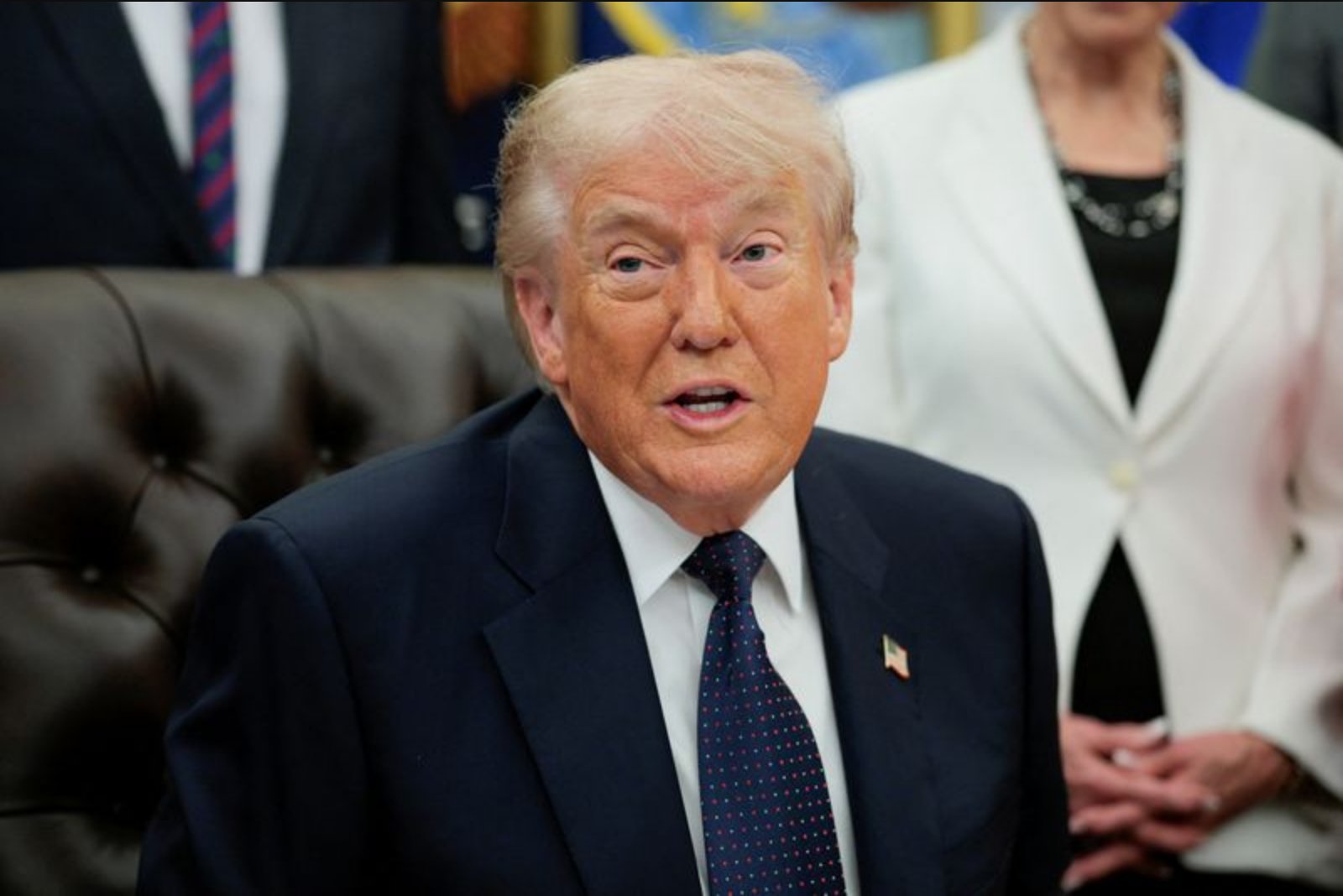
May 5 - People familiar with the matter say U.S. President Donald Trump criticized Food and Drug Administration Commissioner Marty Makary over the weekend for what he viewed as insufficient speed in approving flavored vaping and other nicotine products.
According to those people, the president held a series of calls and conversations at the White House in which he sought advice from aides about Makary and about the political significance of flavored vaping for young "Make America Great Again" voters. The advisers, as described by the people, characterized the FDA commissioner as an obstacle to the administration's objectives and told the president that Makary had blocked efforts to "save" vaping - a pledge Trump made in September 2024 on Truth Social during his presidential campaign.
Regulatory activity to date has not resulted in broad approvals for flavored vape products. The FDA has previously indicated it will continue to require substantial evidence showing benefits to smokers for vape flavors that also have strong appeal to youth, such as fruit or candy varieties. As of this week, only 41 vape products are authorized for sale, and those permitted products are all tobacco or menthol flavored.
Those familiar with the discussions said Makary and the president talked about the commissioner potentially changing course on flavored vape approvals, but it remained unclear whether Makary had decided to alter his approach. Some of the people said Makary was considering being more open to approving flavored vape products, though no definitive decision was reported.
Readouts provided by the people emphasize three consistent elements: the president's dissatisfaction with the pace of approvals, the political lens through which flavored vaping is being viewed, and the FDA's continued emphasis on evidence of benefit to adult smokers when considering flavors that also attract youth.
The episode underscores tensions within the executive branch over regulatory decisions that intersect with political commitments made during the campaign, while the FDA's published stance on flavored vapes remains focused on public health criteria and evidentiary standards.
Separately, promotional material accompanying the original account highlighted investment research tools for 2026. That material argued that better data underpins sound investment choices and described a product that combines institutional-grade data with AI-powered analysis to help investors identify opportunities. It also posed the question of which investments in 2026 are performing best and urged readers to use an AI research tool labeled WarrenAI to inform decisions.