
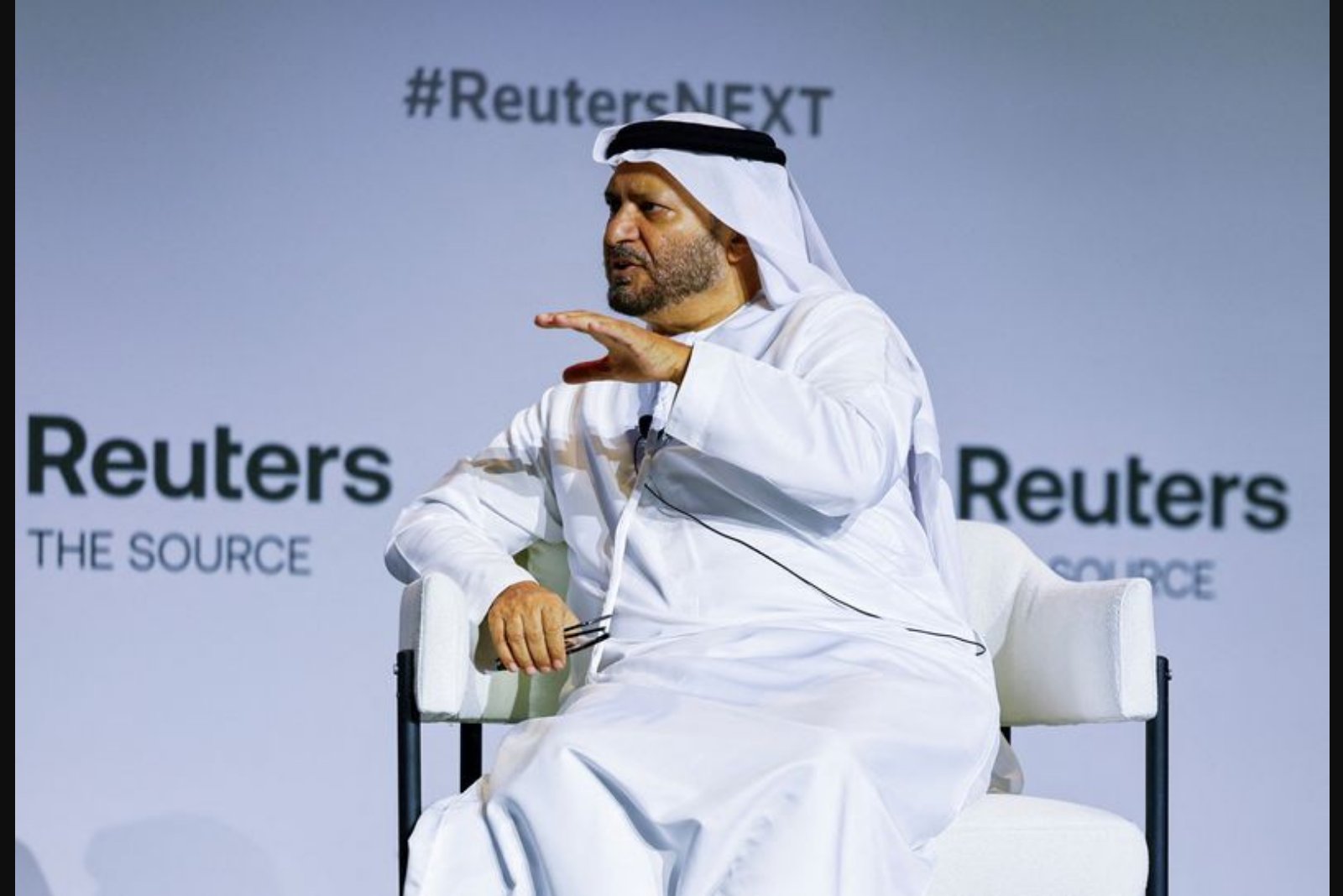
Anwar Gargash, the diplomatic adviser to the president of the United Arab Emirates, told participants at the Globsec conference in Prague that a U.S.-Iran peace agreement is as likely to happen as it is not - describing the prospects as "50-50." He emphasised that any settlement must go beyond a temporary halt in hostilities and must instead address the underlying drivers of instability in the region.
Gargash highlighted Pakistan's role as a mediator in efforts aimed at negotiating a ceasefire between the United States and Iran. Those efforts seek to end a war that has shaken the global economy and disrupted commercial passage through the Strait of Hormuz - a waterway that handles around a fifth of global oil and liquefied natural gas shipments.
"It is a 50-50 chance that we will reach an agreement. My worry is that the Iranians have always over-negotiated," Gargash said at the Globsec conference. "This is not something new. They have missed many opportunities over the years because of a tendency to overestimate their cards. I hope they don’t do that this time."
He warned that the region needs a political solution and cautioned that a second round of military confrontation would further complicate an already volatile situation. Gargash argued that negotiating solely to secure a ceasefire, without resolving root causes, risks merely setting the stage for subsequent rounds of fighting.
The adviser referenced attacks by Iran within the UAE during the conflict, noting strikes on civilian infrastructure and on areas close to U.S. military facilities hosted by the Gulf state. Emirati officials have reported that Iranian drone and missile strikes hit desalination plants, energy facilities and locations around Dubai and Abu Dhabi.
Gargash also sounded a specific warning about any attempt to exert control over the Strait of Hormuz. He said placing the strait under political influence would set a dangerous precedent by exposing the waterway to leverage by external actors. Changes to the pre-existing status quo in the strait, he cautioned, would have significant global repercussions - including for Europe - and he urged European countries to recognise the issue as directly tied to their energy security and trade interests.
On the subject of maritime traffic, Gargash called for a return of the Strait of Hormuz to its pre-war condition as an international waterway that guarantees the free flow of energy, trade and shipping - the arrangement that had prevailed for decades prior to the recent conflict-related disruptions.
Gargash's remarks tie diplomatic efforts - including mediation by Pakistan - to tangible commercial and energy-sector consequences, underscoring the linkage between high-level negotiations and the uninterrupted movement of hydrocarbons and liquefied natural gas through a narrow but critical maritime corridor.