
Summary
Two men were rescued alive from a tunnel at the Upper Trishuli 3A Hydropower Station, nine days after an ice, rock and mud slide swept through a valley on the Trishuli River. The slide, triggered by a glacier collapse on August 26 in the river's upper reaches, is believed to have trapped hundreds of people in tunnels connected to multiple hydropower projects. The catastrophe has resulted in heavy loss of life, many missing persons and wide displacement.
Rescue and immediate medical response
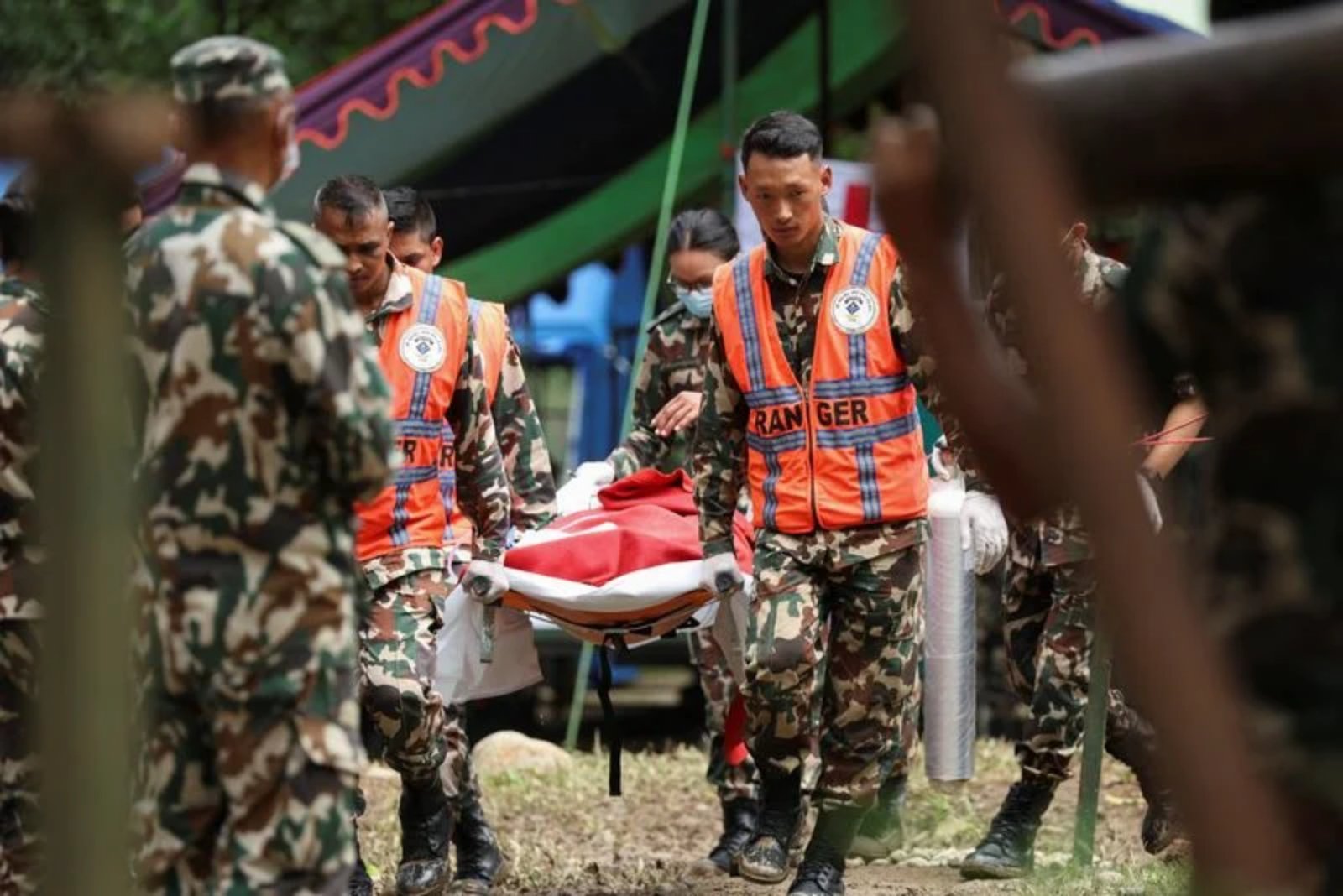
Rescue teams pulled Sanjay Sah, identified as a mechanical foreman, and Kabir Maharjan, identified as a mechanical supervisor, from a tunnel tied to the Upper Trishuli 3A Hydropower Station, officials said in a statement from the office of Energy Minister Biraj Bhakta Shrestha. The two are the first people reported rescued from the hydropower projects affected by the collapse.
Video and photographic material released by Nepali authorities showed Kabir Maharjan being extracted from a hole in the ground as onlookers cheered, and then placed onto a stretcher. Sah was carried from the tunnel on the back of a worker, his face covered in mud, and brought to a nearby rescue tent.
Army doctors attended to Sah at the tent, where one clip shows what appeared to be an oxygen mask placed around his mouth and medical staff checking vital signs. An army official is quoted saying: "His name is Sanjay Sah and he was working in mechanical control room. The vital parameters look normal."
An aide to the energy minister provided further medical information, saying Maharjan is unable to move his hands and legs, while Sah's injuries are not considered critical. The aide said both men will be transported to a hospital in Kathmandu for further care.
Kabir's brother, Amir Maharjan, said he had not received official confirmation but had been instructed to go to the hospital. "I have been hearing from the news that my brother has been found. The entire family is very happy," Amir said.
Scale of the disaster
Officials and rescue workers say the glacier collapse on August 26 sent ice, rock and mud down the valley and into the Trishuli River, with estimates that at least 900 people were trapped inside tunnels related to six hydropower projects along the river. At least 1,252 people have been reported killed in Nepal, with houses, streets and schools in towns and villages near the border with China's Tibet swept away. More than 4,200 people remain missing and thousands more have been displaced.
Chinese authorities have reported 21 deaths in Tibet related to the same event, and have listed 541 people as missing.
Search methods and tools
Rescue operations at the hydropower projects have been supported by a combination of helicopters, heavy machinery and remote guidance from technical experts. A group of specialists coordinating through a WhatsApp group has been providing direction to on-the-ground rescue teams, a method officials described as a useful complement to physical search equipment in the effort to find survivors.
Key takeaways
- The two rescued workers are the first survivors recovered from hydropower project tunnels after the glacier collapse on August 26.
- The disaster has caused large-scale casualties and displacement across Nepal and into Tibet, with more than 1,252 deaths in Nepal and 21 reported in Tibet.
- Rescue operations combine traditional heavy machinery and air support with remote technical guidance via messaging platforms to locate and extract survivors.
At this stage, authorities are continuing search and recovery efforts as they manage medical evacuations and further assessments of the impacted hydropower infrastructure.