
President Trump said that Chinese President Xi Jinping agreed Tehran must allow passage through the Strait of Hormuz, but Beijing offered no indication it would exert pressure on Iran to do so.
Speaking to reporters on Air Force One as he returned from talks in Beijing, Trump said he was weighing whether to lift U.S. sanctions on Chinese oil companies that continue to buy Iranian crude. China is the largest purchaser of Iranian oil.
"I’m not asking for any favors because when you ask for favors, you have to do favors in return," Trump said when asked whether Xi had committed to pressuring Iran to reopen the key waterway.
Xi did not publicly summarize any discussion on Iran. Instead, China’s foreign ministry issued a separate expression of frustration, labelling the fighting a conflict "which should never have happened, has no reason to continue." The ministry’s wording stopped short of pledging Chinese intervention or pressure on Tehran.
What has happened in the strait
Iran effectively closed the Strait of Hormuz after U.S. and Israeli attacks on February 28. Before that disruption, the strait carried about one-fifth of the world’s oil and liquefied natural gas shipments. The interruption of traffic has driven what the article describes as the largest oil supply crisis in history, contributing to surging global oil prices.
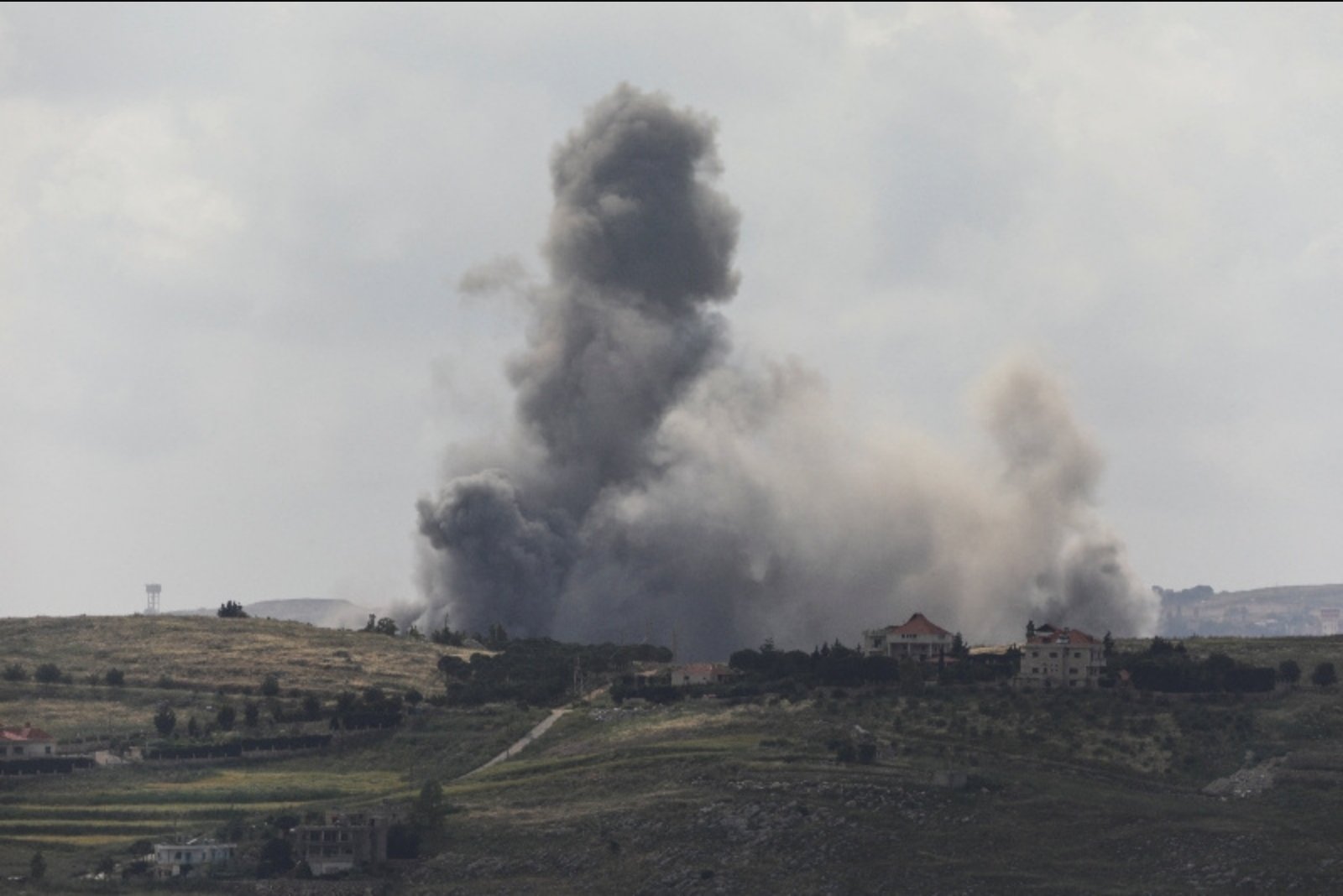
The U.S. and Israeli strikes killed thousands of Iranians, the reports say. Renewed fighting between Israel and the Iran-backed group Hezbollah in Lebanon has also resulted in thousands of deaths.
The United States paused its direct attacks last month but initiated a port blockade. Tehran has said it will not reopen the strait until the U.S. lifts the blockade. Trump warned that attacks could resume if Iran refuses to reach an agreement, saying alongside Xi in Beijing: "We don’t want them to have a nuclear weapon, we want the straits open." Iran has long denied any intention of building a nuclear weapon but has declined to stop nuclear research or surrender a hidden stockpile of enriched uranium, frustrating the U.S.
Iranian Foreign Minister Abbas Araqchi said Tehran had received messages from the U.S. suggesting Washington was willing to continue discussions. "We hope that, with the advancement of negotiations, we will reach a good conclusion so that the Strait of Hormuz can be completely secured and we can expedite the normalisation of traffic through the strait," Araqchi told reporters in New Delhi.
In an interview aired on Fox News’ "Hannity" program, Trump said he was losing patience with Iran and reiterated that Tehran "should make a deal."
Financial markets reacted to the uncertainty. Oil rallied roughly 3% to about $109 a barrel on Friday amid concerns that diplomatic efforts were not yielding progress. At the same time, U.S. Treasury yields reached their highest levels in approximately a year on speculation that the Federal Reserve might need to raise interest rates if the economic fallout from the crisis persists.
Efforts to halt the war and restore normal maritime traffic have stalled. Talks to end the conflict were paused last week after Iran and the United States each rejected the other side’s most recent proposals. Araqchi said Iran would welcome Chinese involvement in mediation, while also stating Tehran was attempting to give diplomacy a chance but did not trust the U.S., which he accused of curtailing earlier talks by launching air strikes.
Those developments come as the political calculus for the U.S. shifts ahead of congressional elections in November, with the conflict described as a liability for the administration. The status of the strait, the durability of sanctions, the possibility of resumed military action, and the path of diplomatic engagement remain uncertain.
For now, Beijing’s public stance is limited to criticism of the fighting and no explicit commitment to alter Iran’s behavior. Washington and Tehran continue to exchange signals and proposals, but negotiations are on hold after recent rejections by both sides.