
Commodities June 16, 2026 08:57 AM

Trump Says U.S.-Iran Memorandum Affirms Iran Will Not Acquire Nuclear Weapon

President plans formal release of the memorandum and signals he will send the Iran deal to Congress as talks enter a 60-day phase

By Nina Shah
Share
Twitter Reddit Facebook LinkedIn

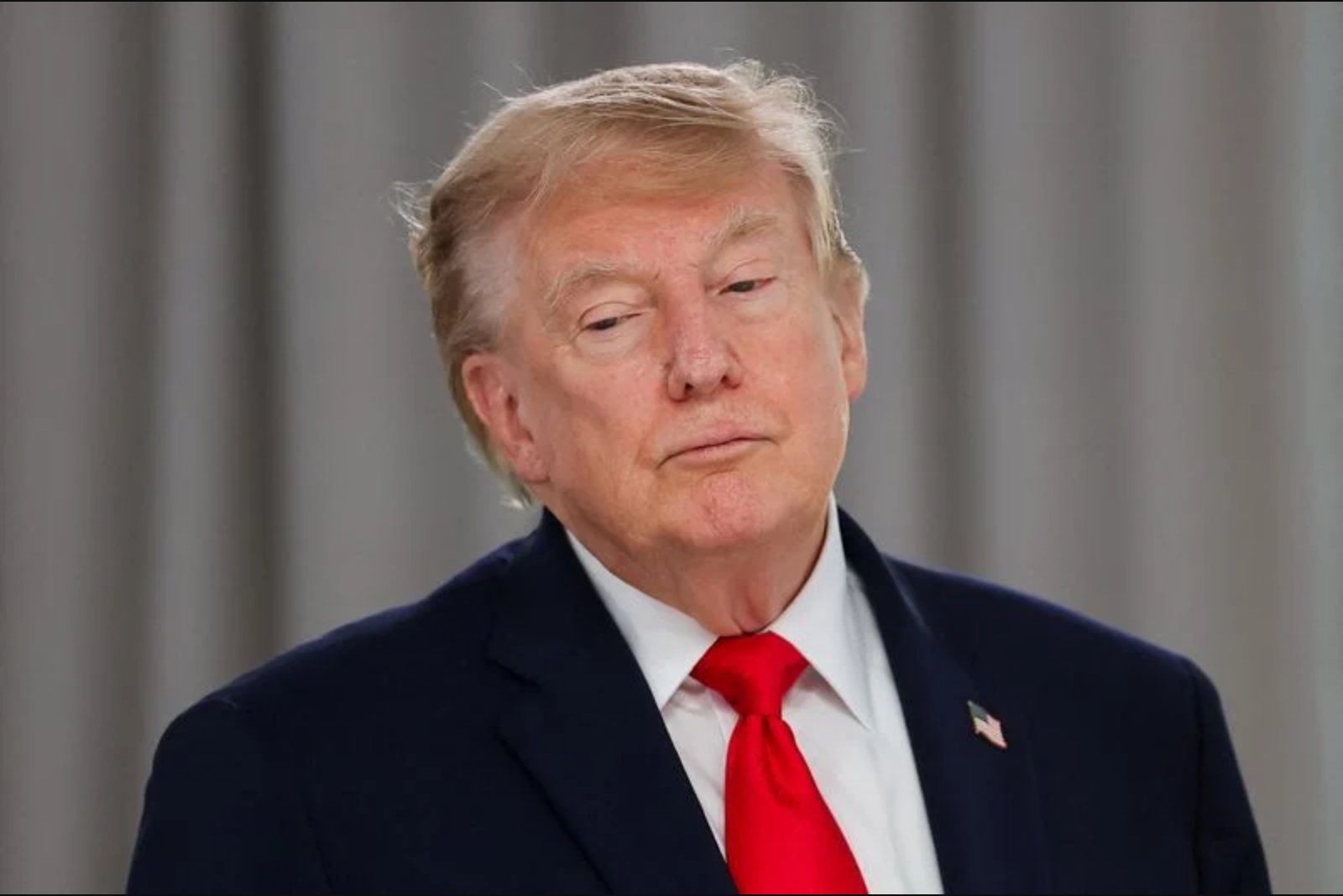
At the G7 summit in Évian-les-Bains, France, President Donald Trump told reporters the memorandum of understanding with Iran explicitly states Iran will not possess a nuclear weapon. He said he will release the memorandum text in a formal setting and indicated he will forward the broader Iran deal to Congress for review. Talks are set to proceed on a 60-day timeline, which the president said he expects to move quickly.

Trump Says U.S.-Iran Memorandum Affirms Iran Will Not Acquire Nuclear Weapon
Summarize with
ChatGPT Perplexity Claude Grok Gemini

Key Points

  • President Trump said the U.S.-Iran memorandum clearly states Iran will not possess a nuclear weapon - relevant to geopolitical risk assessments and energy markets.
  • Trump plans to release the text of the memorandum in a formal setting, increasing transparency around the agreement's terms.
  • The administration will send the Iran deal to Congress for review and entered a 60-day phase to negotiate details, which could affect diplomatic and market expectations.

Évian-les-Bains, France, June 16 - U.S. President Donald Trump told reporters at the G7 meetings that the memorandum of understanding reached with Iran makes it clear that Iran will not have a nuclear weapon. He added that he intends to make the text of the U.S.-Iran memorandum public in a formal setting.

During exchanges on the sidelines of the summit, the president also signaled support for sending the Iran agreement to Congress, a move requested by some Republican lawmakers. "I never thought about sending it, never even thought about it, but I will," he said. "I will send it to Congress. I like the idea."

The current U.S. arrangement with Iran is described as an agreement to work through detailed terms in the coming weeks. That next stage of negotiations is bound by a 60-day deadline, and the president expressed optimism about the pace of those talks.

"I think it’s going to go pretty quickly," Trump told reporters, referring to the next phase of negotiations with Iran.

In remarks made while meeting Mohamed bin Zayed Al Nahyan, the president of the United Arab Emirates, Trump said Iran is motivated to conclude the process and suggested that normalization of the relationship would hasten progress. "Iran wants to get it done. They have to get back to business, and the relationship is now normalized, so I think it’s going to go pretty quickly," he said.

The president acknowledged uncertainty over timing while reiterating the potential for a fast resolution: "Could go faster, could take longer too, but it could go fast."

The memorandum and the subsequent negotiation period are positioned by the administration as a set of steps toward resolving outstanding issues with Iran. The president's decision to make the memorandum public and to send the deal to Congress, as he announced, sets an administrative path for broader review and potential legislative scrutiny.


Contextual note: The statements were made at the G7 meetings in Évian-les-Bains, France, on June 16. The references to timing reflect the administration's framing of the next 60 days as the window for hashing out details.

Risks

  • Timing uncertainty - the president said the negotiation phase "could go faster, could take longer," leaving the 60-day timetable subject to variation; this uncertainty can influence markets sensitive to geopolitical developments such as energy and defense sectors.
  • Legislative review risk - sending the deal to Congress introduces potential for political scrutiny or delay, affecting policy certainty for sectors tied to U.S.-Iran relations.
  • Dependence on normalization - the president linked faster progress to a normalized relationship, but the extent and durability of normalization are not specified, creating uncertainty for businesses monitoring regional diplomatic outcomes.

More from Commodities

China's role in Latin American trade grows rapidly while U.S. remains top partner, IDB says Jun 16, 2026 German auto industry welcomes EU approval of US trade deal but warns tariffs still bite Jun 16, 2026 Central Banks in Focus as Markets Sort Through U.S.-Iran Deal and Energy Flows Jun 16, 2026 U.S. and Mexico Restart Talks on Agriculture and Energy as Trump Questions USMCA’s Future Jun 16, 2026 Drone Strike Ignites Blaze at Moscow Region’s Biggest Refinery; Fuel Retailer Limits Purchases Nationwide Jun 16, 2026