
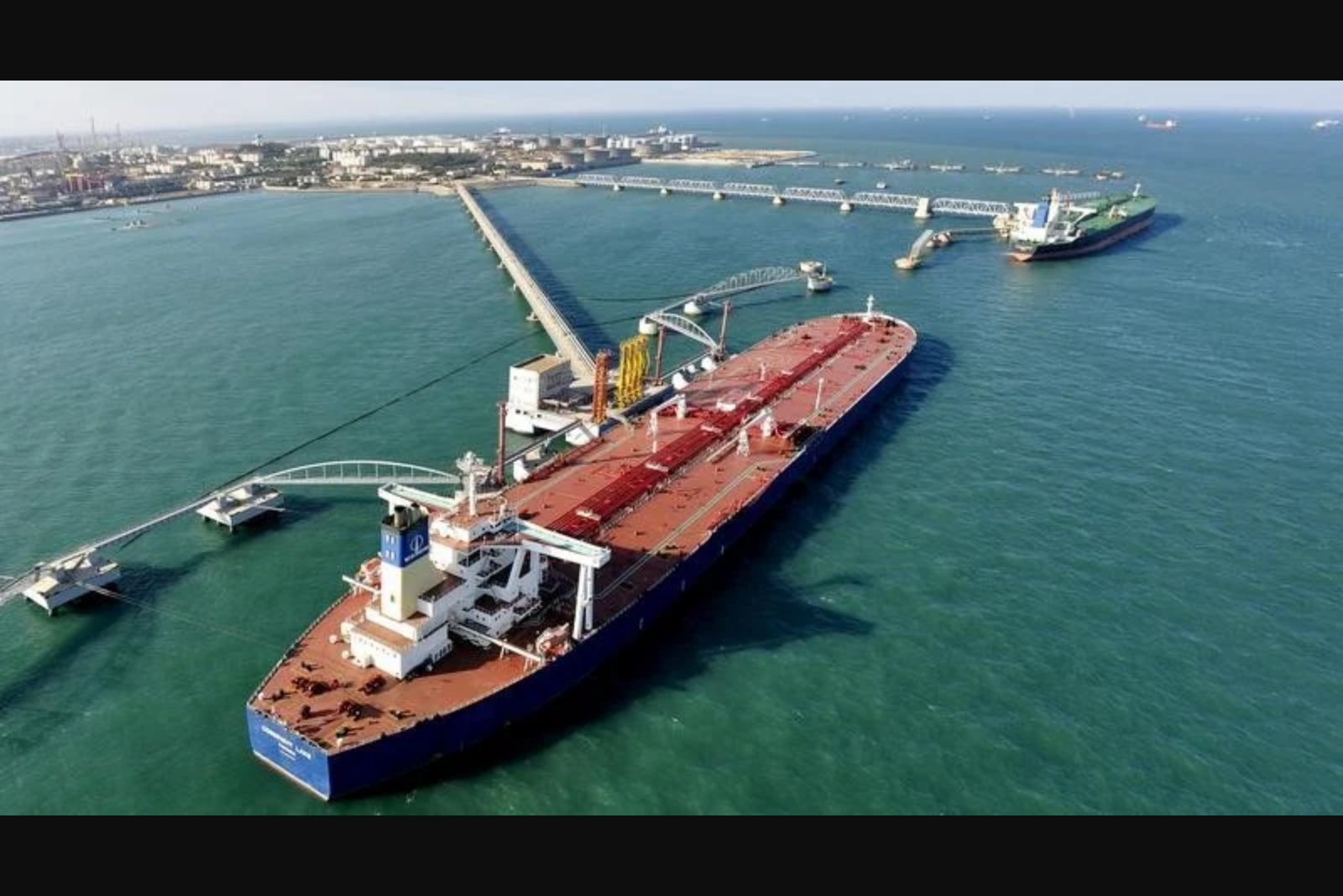
Oil prices extended gains in Asian trade on Wednesday as escalating tensions between the United States and Iran intensified concerns over disruptions to Gulf oil exports and maritime traffic. Brent crude for November delivery traded at $99.32 per barrel, up 1.4%, while West Texas Intermediate (WTI) futures rose 1.5% to $94.44 per barrel as of 21:32 ET (01:32 GMT).
WTI was on track for a seventh straight session of gains, and both benchmarks reached their highest levels in weeks as market participants reacted to a series of military and missile actions in the region.
Geopolitical drivers
The recent price advance followed a U.S. military statement that it had destroyed five Iranian oil tankers after Iranian missile strikes targeted U.S. naval assets. Iran then launched missiles at U.S. targets in Jordan, and Tehran warned Gulf states including Kuwait and Bahrain against supporting U.S. forces.
This chain of events came after attacks by Iran-backed Houthi forces on Saudi Arabia earlier on Tuesday. Those strikes hit energy and economic facilities in several southern Saudi cities and injured more than 70 people, according to reports. Saudi authorities said fires broke out at energy sites, including the Jazan refinery, though officials have said the full extent of any disruption remains unclear.
U.S. Secretary of State Marco Rubio warned Tehran on Tuesday that Washington would continue striking Iranian oil tankers in retaliation for attempted attacks on U.S. warships.
Shipping, routes and Hormuz
The confrontations have added to already severe disruption around the Strait of Hormuz, a crucial channel for global oil shipments. Shipping traffic through the waterway slowed sharply after Iran threatened retaliation for further U.S. strikes, and reports show that flows through Hormuz have declined. Iran has said it plans to establish a maritime exclusion zone around the strait.
Some cargoes are still moving, and Gulf producers have sought to redirect flows using alternative routes and ports. That continued, if reduced, movement of crude has so far prevented Brent from decisively breaking above $100 a barrel despite the deteriorating security backdrop.
Price outlook and market implications
Analysts and trading desks are flagging higher upside risks. Goldman Sachs warned that crude could rise to as much as $120 a barrel if attacks on Middle Eastern vessels intensify and shipping disruptions worsen. The strengthening oil complex is reviving concerns about inflation and the potential for interest-rate implications.
Market participants will be watching further developments closely, including any new military actions, additional warnings from regional actors, and the practical impact on export infrastructure and shipping lanes. For now, the mix of active shipments, alternative routing and elevated security risk is keeping prices volatile and attention on both physical flows and policy responses.