
Oil benchmarks moved higher in Asian hours on Thursday, extending a five-session advance as claims of attacks on Saudi oil tankers in the Red Sea heightened concerns about disruptions to critical Middle East maritime routes.
As of 03:35 ET (07:35 GMT), Brent Oil Futures expiring in September had gained 3.6% to trade at $97.45 per barrel, while West Texas Intermediate (WTI) crude futures rose 2.7% to $89.17 per barrel. Brent reached its strongest level since June 8, the report said, reversing the decline that followed a temporary U.S.-Iran ceasefire agreement earlier in June.
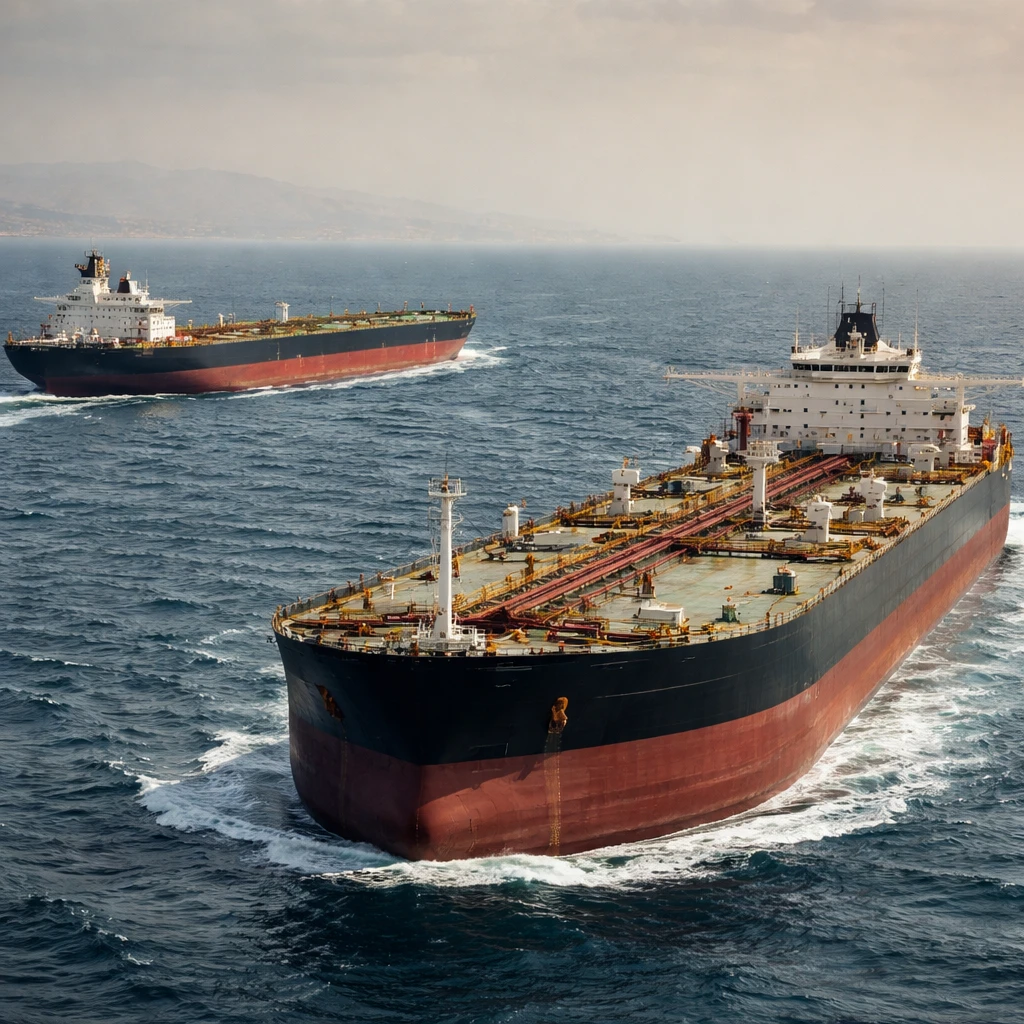
The Iran-aligned Houthi movement said on Thursday it had targeted two Saudi tankers named ENCELA and LAYLIA, accusing those vessels of breaching a recently declared maritime blockade. Saudi authorities had not confirmed any damage at the time of the report.
The incident marked a further escalation in a conflict that has increasingly threatened energy infrastructure and international shipping. Earlier in the week the group warned it would seek to block Saudi-linked shipping through the Bab el-Mandeb Strait, one of the busiest transit chokepoints linking the Red Sea and the Gulf of Aden. Analysts and traders noted that any prolonged blockage of that route could compel tankers to take a longer passage around southern Africa, extending voyage times and raising freight costs.
Compounding the Red Sea tensions, the U.S. military carried out another round of strikes on Iran, constituting a 12th successive night of strikes, which has further clouded traffic through the Strait of Hormuz.
In a related development, Iran’s Revolutionary Guards reported an explosion along a mined shipping lane south of the Strait of Hormuz. They said one of three oil tankers in the area caught fire and that the other two vessels reversed course. Iran also stated it had full control of the Strait of Hormuz and described the waterway as "fully closed," warning that oil tankers would not be permitted to transit without prior coordination with Iranian authorities.
Together, the Hormuz and Bab el-Mandeb waterways handle a material share of seaborne crude shipments; their security status is closely watched by energy markets because disruptions in either could alter tanker routings and logistics costs. Market participants are paying particular attention to elevated transportation risks, rising insurance premiums and the threat of further attacks on tankers or energy facilities.
The recent flare-up follows incidents earlier this week when several Saudi crude tankers that were bound for India and China altered their course after Houthi warnings.
At the same time, U.S. government data revealed an unexpected increase in domestic crude inventories. The U.S. Energy Information Administration reported that commercial crude inventories rose by 2.0 million barrels to 411.7 million barrels in the week ended July 17, contrary to expectations for a draw. Gasoline inventories were up by 0.8 million barrels, distillate stockpiles increased by 1.4 million barrels, and total commercial petroleum inventories climbed 11.6 million barrels.
That inventory build provides a counterpoint to supply concerns emerging from the shipping lanes, underscoring a market environment where geopolitical risk and physical inventory data are both influencing price direction.
Market attention remains focused on developments in the Red Sea and Strait of Hormuz, the potential for additional strikes or shipping restrictions, and how such disruptions could affect freight, insurance and broader energy market flows.