
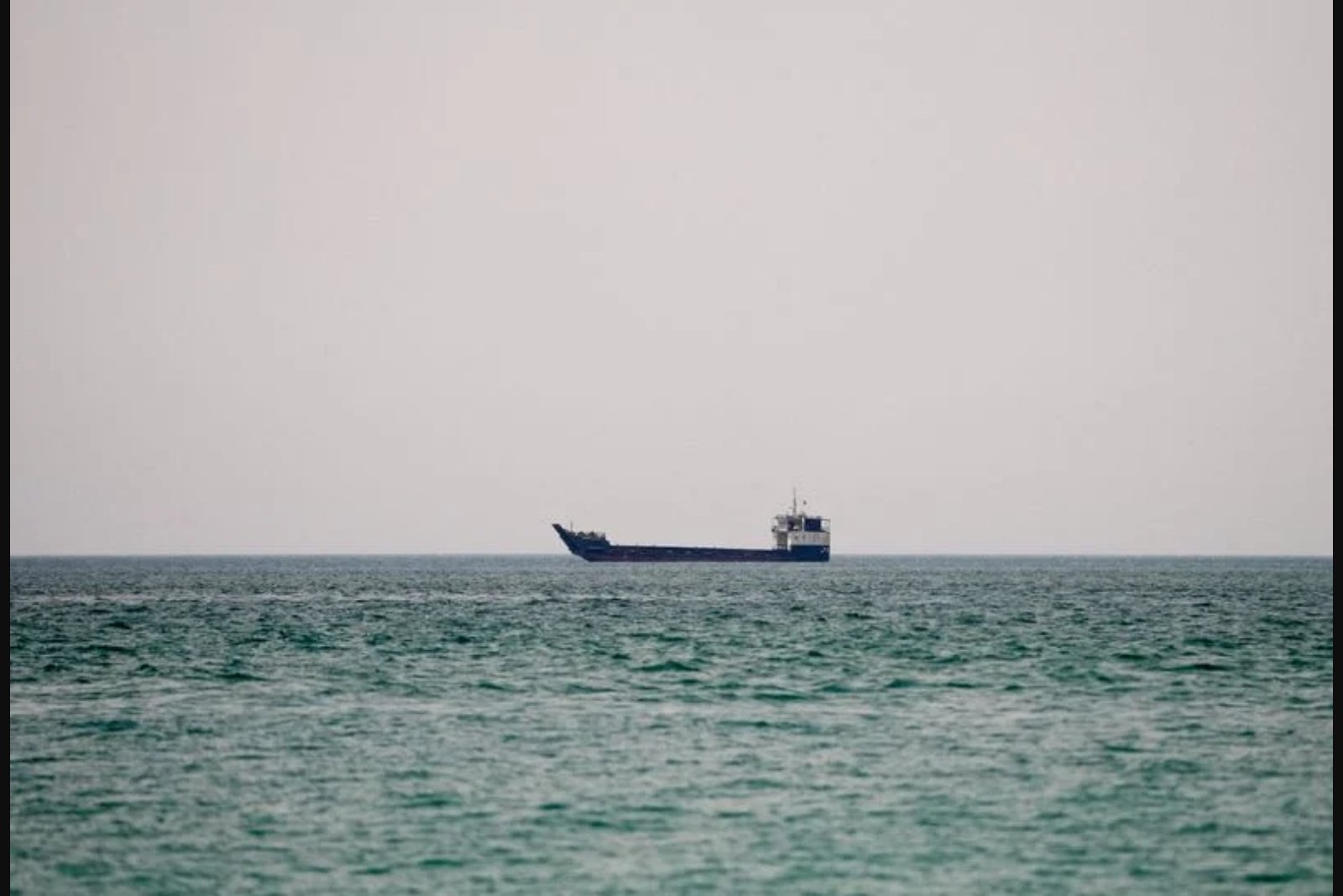
Overview
Two senior Iranian sources have told Reuters that Tehran is intent on converting its current de facto authority over the Strait of Hormuz into an internationally recognised and enduring right to manage passage through the narrow waterway - including the authority to determine which vessels may transit, which routes they must take, and to charge fees for services provided. Officials said Iran would pursue that recognition even if it ultimately had to enforce its demands by force.
Under an interim memorandum of understanding reached with the United States this month to halt a three-month conflict, Iran agreed to permit ships to transit the Strait for a 60-day period without payment of fees. But the Iranian sources said Tehran interprets the language of that interim deal as allowing it to continue to control movement and routing through Hormuz while suspending fee collection only for the duration of the interim phase.
Negotiating posture and timeline
According to the two senior sources, Iran’s negotiators will not proceed to other subject areas in the ongoing peace discussions with Washington until the matter of permanent control over Hormuz is resolved. The sources said Iran intends to secure formal acceptance of its control before moving on.
They also stated that if the interim deal expires without an extension, Tehran would begin charging vessels for passage in mid-August. The officials acknowledged that Iran has not yet published any list of fees or detailed the method by which charges would be assessed.
Iran closed the Strait at the onset of the war and Iranian authorities have said that some vessels leaving the Gulf were charged navigation or other fees. The senior officials said Tehran will not allow the situation to return to the pre-war status quo and insists that new arrangements must govern Hormuz.
Practical implications claimed by Tehran
The Iranian sources outlined how Tehran envisions post-war arrangements: Iran choosing how vessels enter and depart the Strait, retaining the right to refuse entry to any vessel that it suspects could threaten Iranian security, and charging fees for compulsory services it provides to transiting ships. The officials said Tehran believes these measures are necessary and justified.
Iran has indicated it is prepared to press these demands even through the use of force if other countries refuse to accept them, and that it would not retreat from its position even if that leads to a renewed - and potentially intensified - confrontation with the United States.
Recent incidents and diplomatic outreach
Tehran said it plans talks with Oman - the sultanate that runs along the southern coast of the Strait - to try to define transit corridors through the waterway. The Iranian sources also reported that over the weekend Iran fired on four vessels that attempted to transit on the Omani side of the Strait without first receiving permission from Iranian authorities. That action prompted a brief but intense exchange of fire with U.S. forces.
One senior Iranian official described what Tehran sees as a strategic opening, saying that by having withstood what Iranian leaders regarded as their most serious threat - a possible war with the United States and Israel - Iran believes it now has a 'historic opportunity' to secure a long-term advantage. A separate senior official said Tehran expects ship-owning nations to eventually accept Iranian management of the Strait because of the mounting costs of the dispute, and predicted Washington would accept the arrangement to avoid disruption to global energy supplies.
Opposing positions and legal context
Washington has publicly rejected the idea of tolls levied by Iran. U.S. President Donald Trump said last week that no tolls would be charged for passage through the Strait unless Washington itself decided to impose them. Secretary of State Marco Rubio told Gulf state representatives that no country has the right to block shipping or levy fees for passage through an international waterway.
Iran, by contrast, interprets the interim memorandum as permitting it to maintain control over passage through Hormuz while suspending fees only during the interim period, and it contends that while it must consult Gulf states, it is not obliged to secure their agreement.
The legal landscape is contested in ways Tehran appears to be exploiting. Neither Iran nor the United States is a party to the United Nations Convention on the Law of the Sea, which designates Hormuz as an international strait and requires free passage. Oman, which lies along the Strait’s southern coast, is a signatory. Under that convention, Iran could claim territorial waters out to 12 miles rather than a narrower limit adopted in some other maritime arrangements. The Strait is just over 20 miles wide at its narrowest point.
Chris O’Flaherty, identified as a former British navy captain and a specialist in naval warfare and law, said the dispute is intensely political and that Iran has chosen to challenge what most observers consider settled international law.
Outside assessments and conflict risks
Analysts warn that Tehran may be overestimating the degree to which Washington would accept a substantial concession on freedom of navigation. Ali Ansari, a professor of modern history at St Andrews University, said the risk of the conflict reigniting is higher than many expect because neither side believes it has lost.
Iran’s asserted drive to enshrine control over Hormuz, and its readiness to use force if necessary, leaves open significant uncertainty about the future of a waterway that previously moved roughly a fifth of global energy shipments along with other critical cargoes. Tehran’s position runs directly counter to the U.S. interpretation of the interim memorandum and to Washington’s stated view of what post-war arrangements should look like.
Conclusion
Senior Iranian sources say Tehran is determined to convert its wartime leverage into formal, long-term authority over the Strait of Hormuz. The dispute touches legal interpretations, regional diplomacy - notably involving Oman - and the balance of deterrence between Iran and the United States. With the interim 60-day suspension of fees due to expire unless extended, Tehran has signalled its intent to press ahead with claims that could reshape navigation practices through one of the world’s most consequential maritime chokepoints.