
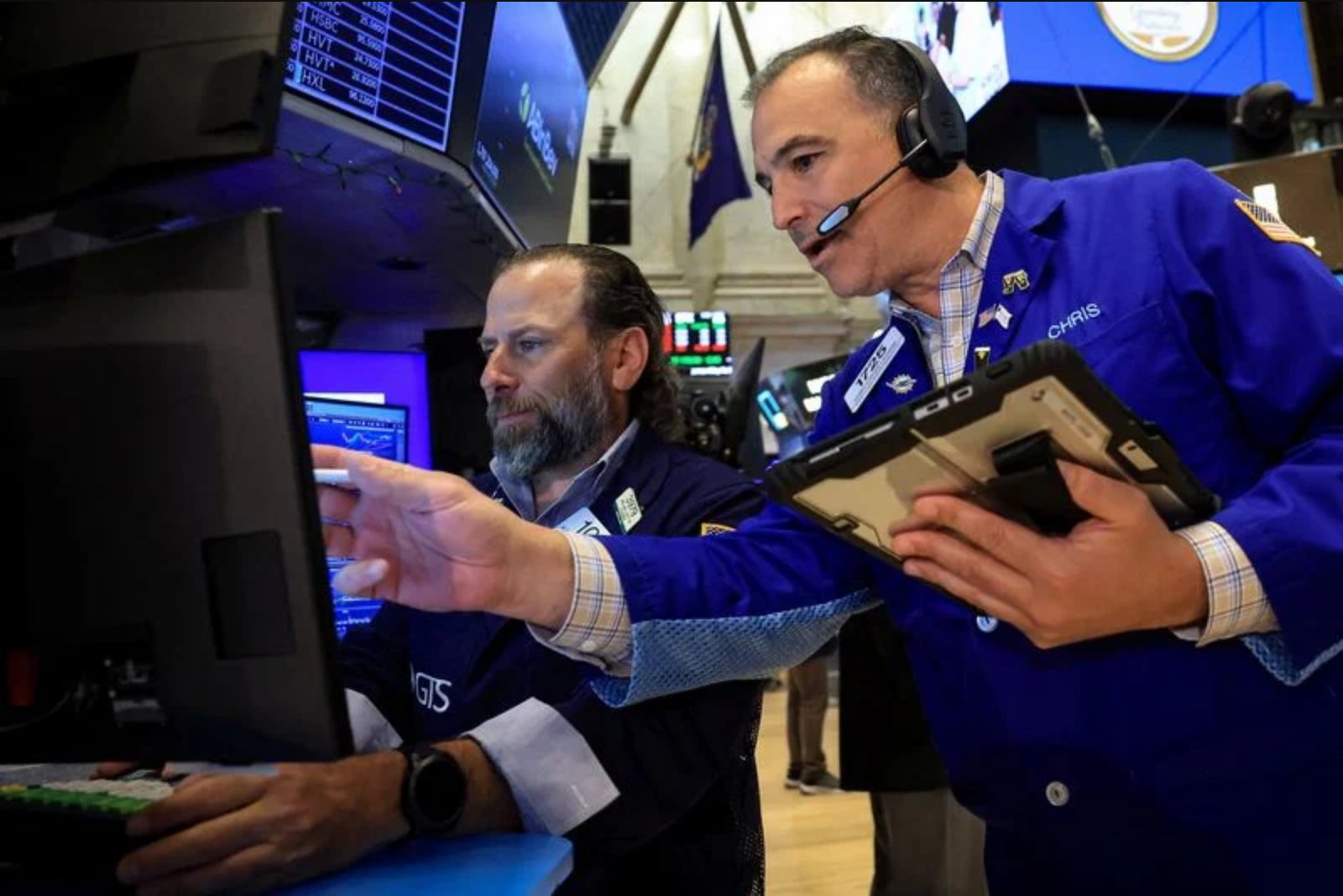
U.S. stock index futures eased on July 1 as traders entered the second half of 2026 with a cautious tone, pressured by fresh uncertainty over prospects for peace in the Middle East and a wait-and-see posture about remarks from Federal Reserve Chair Kevin Warsh.
Tehran said it would not meet with senior U.S. envoys who traveled to the region after a recent outbreak of hostilities, a development that cast doubt on any near-term breakthrough in negotiations. Several false starts in talks have complicated the market's ability to price the geopolitical situation, yet the declines in futures trading on Wednesday underscored that the U.S.-Iran war remains a meaningful market factor - especially given the region's influence on global energy markets.
At 5:20 a.m. ET, Dow E-minis were down 137 points, or 0.26%, S&P 500 E-minis fell 22.5 points, or 0.3%, and Nasdaq 100 E-minis slipped 166.25 points, or 0.54%.
Investors are also digesting the implications for U.S. monetary policy. Traders, according to data compiled by LSEG, expect the Federal Reserve to raise rates at least once by the end of the year. That expectation is reinforced by recent labor-market readings; data released on Tuesday showed U.S. job openings rose to a two-year high in May, signaling continued stability in the labor market. A resilient jobs picture could reduce the Fed's need to prioritize employment concerns and allow it to concentrate more fully on price stability.
"The markets will increasingly home in on U.S. interest rate risk. The data is pointing in a direction that suggests employment is no longer an impediment to the Fed in tackling inflation and possibly raising rates," said Kyle Rodda, senior financial market analyst at Capital.com.
Rate uncertainty has been heightened by procedural changes under Warsh, who took over as Fed chief in May and initiated a review that may alter how the central bank communicates with the public. At his first policy meeting as chair, Warsh engineered a consensus around a policy statement that removed forward guidance about near-term central bank actions. Warsh is scheduled to join other central bank chiefs at a forum in Portugal later on Wednesday, and markets will be attentive to any signals that emerge from those discussions.
On the economic calendar, traders will also parse U.S. manufacturing activity data from the Institute for Supply Management, due later on Wednesday. The ISM reading is expected to provide additional color on growth momentum amid a labor backdrop that remains firm.
In premarket equity movers, Nike shares fell 3.5% after the company reported results and signaled that its turnaround plan still faces headwinds. Shutterstock plunged 28.3% after announcing it had called off its planned merger with Getty Images.
Market participants are balancing these corporate developments with macro indicators and geopolitical risk, seeking to assess how persistent labor strength and elevated energy-market sensitivity will shape Fed policy and sectoral performance going forward.
For now, the mix of persistent Middle East tensions, Fed policy ambiguity, and steady labor-market signals has left markets subdued as investors weigh the potential for higher-for-longer interest rates against the risk of renewed energy-market volatility.