
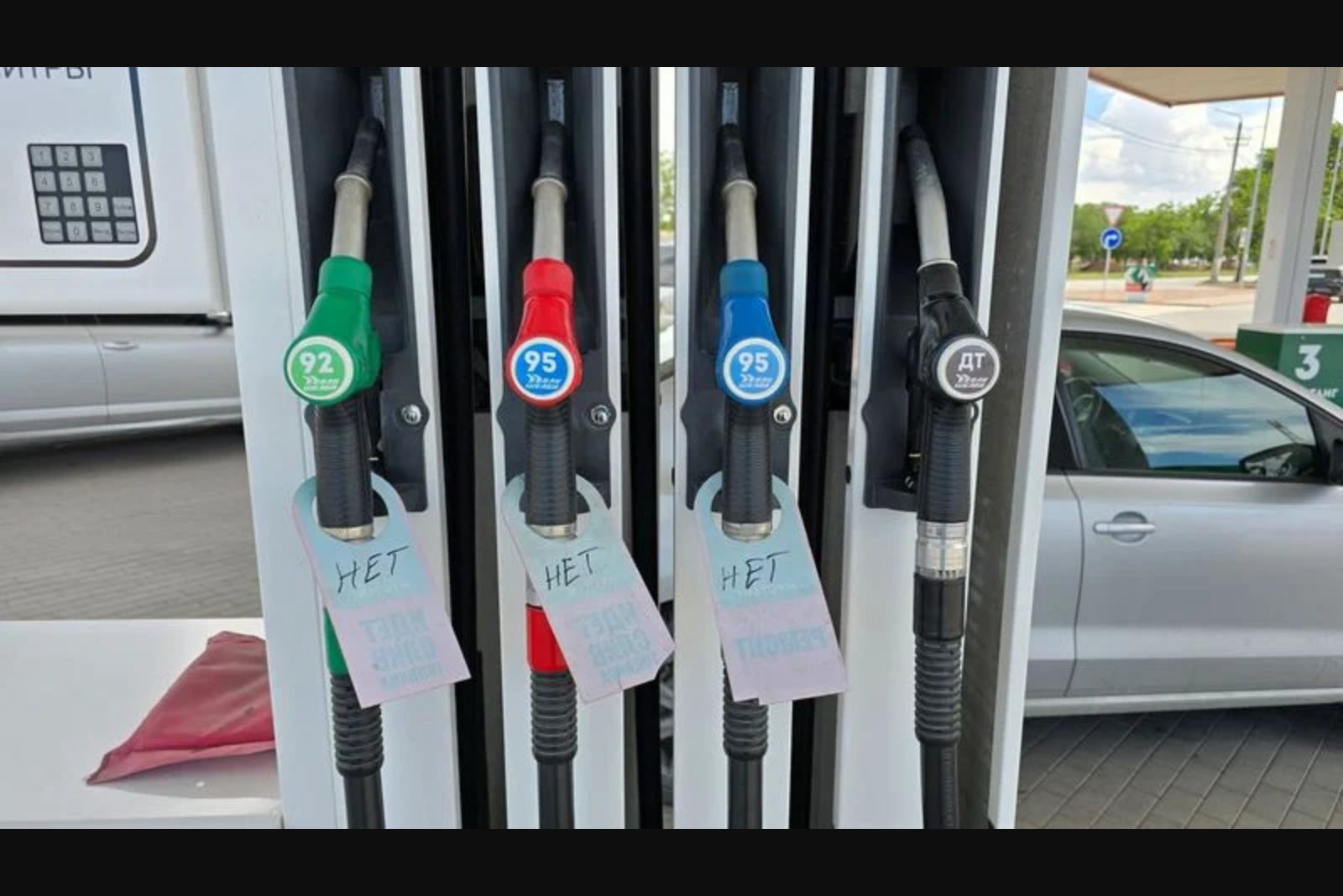
Fuel availability across the Crimean peninsula deteriorated sharply on Thursday, with witnesses reporting that petrol was exhausted at most pumps in the peninsula's largest city and long queues forming at the few stations still dispensing fuel.
In Sevastopol, observers said most local petrol stations had run out of fuel, and supplies that remain are being rationed. In the resort town of Yevpatoriya, residents reported a long line outside the single station that continued to operate.
The shortages followed another night of strikes that targeted the supply lines running into Crimea. Kyiv's campaign has focused on the routes that bring fuel to the peninsula, which Russia has controlled since 2014, and local authorities have moved to ration petrol to manage dwindling stocks. Some food items have also become scarce in parts of the peninsula.
Wider reports indicate fuel shortages have been observed across roughly a dozen Russian regions. Apart from Russian-held Crimea, only two regions in Siberia have officially acknowledged shortfalls. Most other regions have described the situation as contained and attributed some disruptions to panic buying. Moscow has denied there are systemic problems with fuel supplies.
State-owned Sberbank warned that higher fuel prices represent an additional inflation risk for the Russian economy.
On Wednesday, Sevastopol's Moscow-installed governor, Mikhail Razvozhaev, said distribution plans for rationed petrol were delayed because trucks had been unable to deliver fuel into the city after recent strikes disrupted the supply routes.
Fuel reaches Crimea primarily by road and rail through territories to the north that Moscow captured in 2022. Those overland routes have increasingly come under pressure from drone attacks, constraining the flow of petrol. Supplies that previously arrived by barge to an oil terminal in Feodosia were cut off after the terminal was struck in April.
Local officials in Sevastopol reported that the most recent overnight drone activity caused only light damage and that 33 drones had been shot down. Elsewhere along the land approaches to Crimea, the Russian-backed governor of the Moscow-held portion of Kherson region reported that bridges had been targeted, suffering some damage.
A Ukrainian commander, Dmytro Filatov, told Ukrainian media that Kyiv's forces had struck the Chonhar bridge - a principal route between Crimea and Kherson region - inflicting "critical" damage and stopping traffic. He also said Ukrainian forces struck Armiansk on the narrow isthmus that forms the peninsula's only overland connection to the mainland, destroying trucks that were carrying fuel and ammunition.
In addition to operations in and around Crimea, Ukrainian action overnight reached into southern Russia, according to authorities there. Officials reported damage including a fire at the Afipsky oil refinery, which has since been extinguished. The governor of neighbouring Adygea reported damage to civilian infrastructure across the region.
The confluence of degraded transport links, rationing, and confirmed strikes on terminals and fuel-carrying convoys has left consumers on the peninsula facing immediate shortages while raising inflationary pressure through higher local fuel prices. Distribution remains contingent on re-establishing secure delivery routes and restoring access for tanker trucks and barges.