
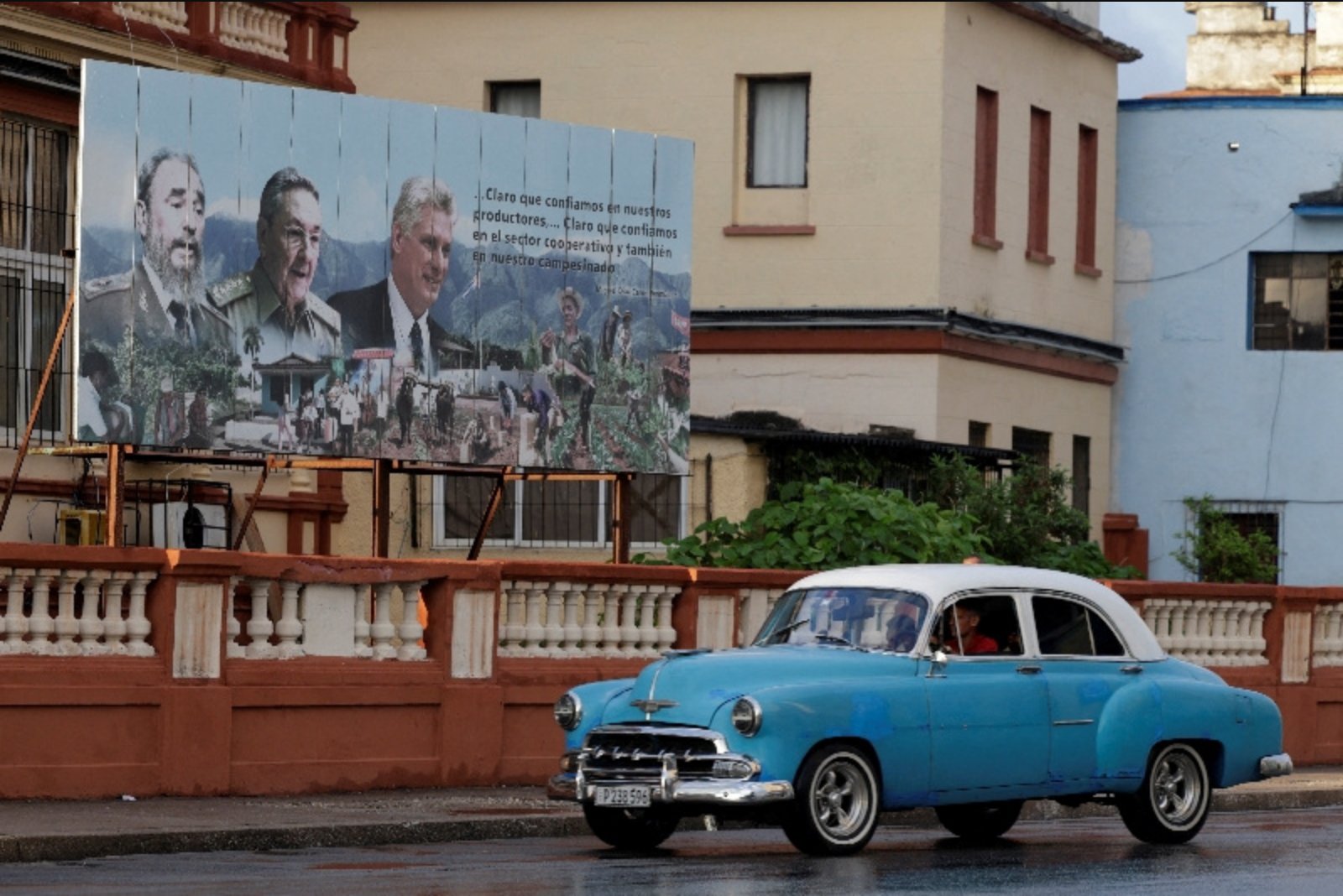
U.S. intentions to indict Raul Castro over the 1996 shootdown of two humanitarian planes have added a new layer of tension to an island already under severe strain, Cuban residents and officials said. The news of possible legal action against the 94-year-old former defense minister and ex-president arrived as Cuba grapples with what officials and locals describe as the worst crisis in decades, driven in part by acute fuel shortages.
Foreign Minister Bruno Rodriguez, speaking at a meeting of BRICS foreign ministers, framed the threat of an indictment as an external pressure tactic directed at Cuba's political sovereignty. "Despite the (U.S.) embargo, sanctions and threats of the use of force, Cuba continues on a path of sovereignty towards its socialist development," Rodriguez said, signaling a refusal to yield to U.S. pressures.
Locals interviewed in Havana said a bid to prosecute Raul Castro would further harden positions on the island and obstruct any possibility of rapprochement with Washington. Sonia Torres, a 59-year-old schoolteacher in Havana, described the idea of prosecuting the man who led the armed forces for decades and served as president from 2008 to 2018 as an affront to the nation at a time of hardship. "Cubans must always keep moving forward," she said. "If they try to process Raul, we`ll defend Cuba with sticks and rocks if we have to."
The political unease comes against a backdrop of deteriorating relations that have their roots in the revolutionary period following 1959. The Trump administration, according to Cuban critics and some observers, intensified pressure on Havana earlier this year by imposing measures that include a de facto blockade on fuel supplies, explicit threats of military action, and an escalation of sanctions. Those steps have coincided with foreign companies withdrawing from the island, with some, including the Canadian miner Sherritt International, cited as examples of businesses forced to depart under the pressure of new restrictions.
Observers and some analysts say that an indictment of Raul Castro would represent a watershed escalation in Washington's campaign against Cuba. Peter Kornbluh, who has written on secret negotiations between the two countries, said the move could signal an end to diplomatic channels. "This was an ultimatum: It`s do or die time," Kornbluh said. "(The indictment) has created a fig leaf of legality for any military operations to seize or assassinate Raul Castro."
The reference to a legal basis for aggressive actions echoes past instances where criminal cases against political figures have been cited by U.S. officials to justify operations abroad. The Trump administration has previously stated that Cuba could be targeted next after its January operation against Venezuela. "Trump has threatened that Cuba 'is next' after his administration in January captured Venezuela leader Nicolas Maduro. His government called the military raid a 'law enforcement operation' to bring Maduro to New York to face criminal charges," a sequence of events that has been raised by analysts as precedent for the current threat.
The specific allegations connected to the possible indictment center on the 1996 downing of two aircraft flown by the humanitarian group Brothers to the Rescue. U.S. Department of Justice sources, cited in reports, trace the indictment back to that incident. At the time, Havana defended the shootdown as a valid defense of its airspace. The International Civil Aviation Organization later assessed that the planes had been downed over international waters, a finding aligned with the U.S. position.
Fidel Castro publicly said the military had acted on "standing orders" to shoot down aircraft entering Cuban airspace, while also asserting that Raul Castro, who was then defense minister, did not issue a specific shooting order. That historical ambiguity figures into the current legal debate and public reaction on the island.
Many Havana residents remain staunch in their view that the island must guard itself from perceived external threats. Eliecer Diaz, 45, spoke plainly about the episode and the prospect of prosecution. "That’s an invasion ... and you have to defend yourself," he said. "If they are now thinking of prosecuting (Raul Castro), I think that is wrong."
For now, Cuba has not issued a direct response to the reported intention to pursue charges against Raul Castro beyond the statements of defiance from its foreign minister. But the combination of acute domestic shortages and the prospect of heightened legal and diplomatic confrontation with Washington has left many Cubans and foreign observers warning that the situation could deepen the diplomatic crisis between the two countries.
The potential indictment, the uncertainty over its legal basis and its timing during an acute domestic emergency contribute to an atmosphere of volatility on the island. Officials in Havana and residents interviewed there expressed concern that the measure could close off negotiation pathways and further destabilize an already fragile situation.