
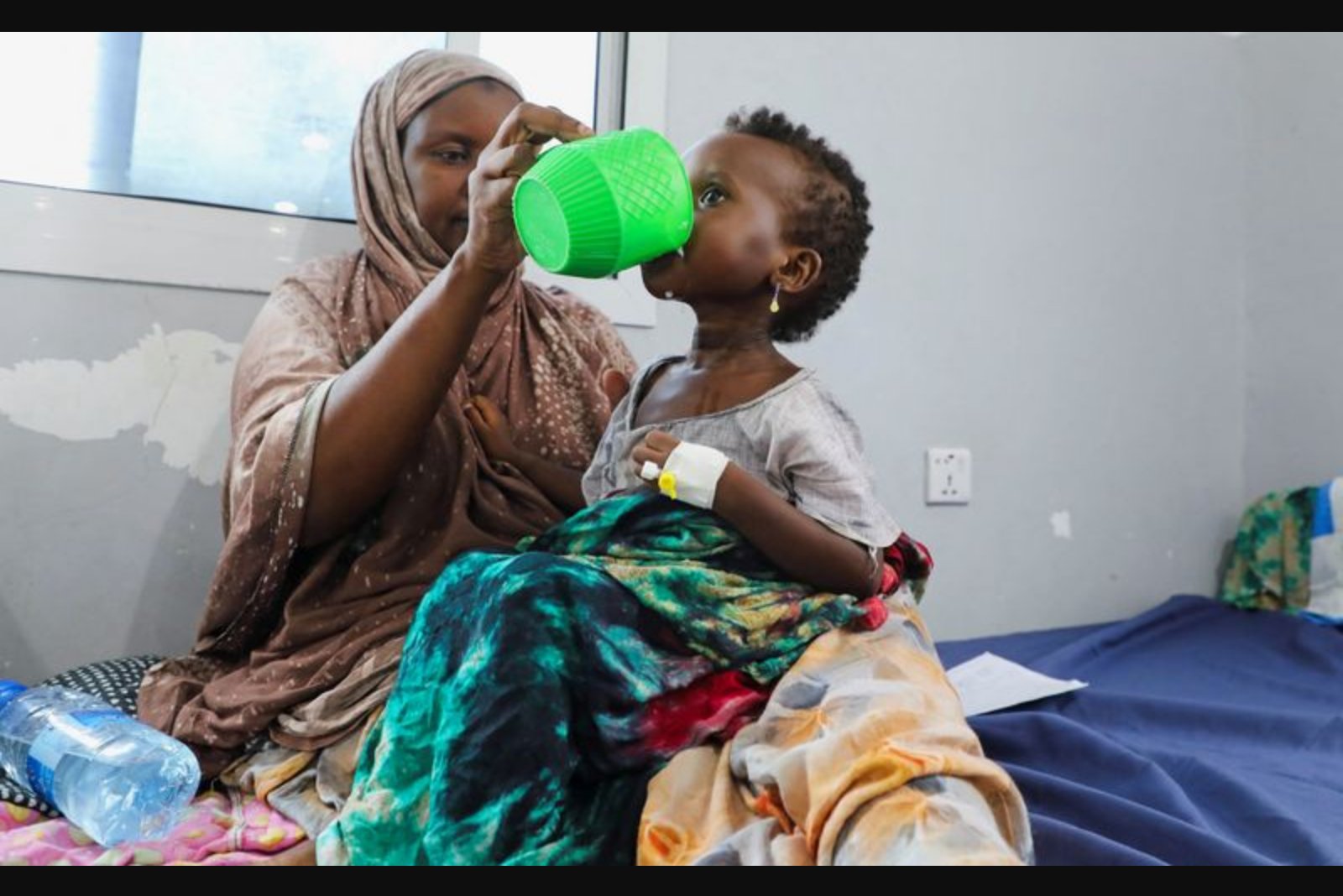
NAIROBI/GENEVA, April 28 - Somalia’s youngest and most vulnerable are facing a worsening humanitarian emergency as supply chain shocks tied to the U.S.-Israeli war on Iran intersect with drastic cuts to foreign aid. Clinics that treat children with severe acute malnutrition are reporting shortages of specialised therapeutic milk and ready-to-use therapeutic food (RUTF), forcing staff to ration supplies or send families away.
Health workers in Baidoa and Mogadishu say the combination of fewer international shipments and higher freight and manufacturing costs has pushed lifesaving treatments to the brink. Almost half a million children under five in Somalia are suffering from severe acute malnutrition - also known as wasting - and the recent delays are intensifying the effects of aid reductions.
Clinics stretched thin
Nurses and aid coordinators describe desperate attempts to stretch limited inventories of nutrient-dense peanut paste and specialised milks that are essential to stabilising and reversing severe wasting. "Since the needs are large and we don’t have a lot of supplies, we have had to keep reducing the amount we give children," said nurse Hassan Yahye Kheyre, who works at a clinic supplied by the International Rescue Committee (IRC).
Kheyre said the clinic had 225 cartons of peanut paste remaining to treat more than 1,200 children and expected those stocks to be exhausted within about two weeks, according to the IRC.
At the IRC-supported facility in Baidoa, run by local partner READO, mother-of-nine Muumino Adan Aamin has twice been turned away when seeking peanut paste for her 11-month-old daughter, Ruweido. The infant is prescribed three sachets a day but the clinic had run out on both visits. Aamin recounts nearly losing another child, Anisa, to hunger during the drought that pushed Somalia close to famine in 2017; Anisa survived after receiving peanut paste.
Orders stuck, costs rising
Agencies say consignments of therapeutic foods have been delayed or diverted. An IRC shipment of peanut paste made in India and destined to feed more than 1,000 children became stuck two months ago at the port of Mundra after cargoes were rerouted because vessels could not dock in the Gulf, said Shukri Abdulkadir, IRC’s Somalia coordinator. Told the supplies would take at least 30 more days to arrive, the IRC cancelled that order and placed an emergency request for 400 cartons from Nairobi while repositioning other supplies from Mogadishu to Baidoa.
The increased cost of freight and manufacture has also driven up prices. CARE International reported that the price of a single carton of peanut paste rose from $55 to $200, meaning its most recent purchase covers enough for only 83 children rather than the 300 previously possible with the same expenditure.
Longer delivery times
Action Against Hunger (ACF) in Mogadishu said deliveries of therapeutic milk and RUTF from Europe to Somalia typically required 30-35 days in 2024. That transit time increased to 40-45 days in 2025 as vessels diverted around Africa to avoid security threats in the Red Sea. Since the United States and Israel attacked Iran on February 28 and Iran closed the entrance to the Gulf, a shortage of available ships has extended delivery times further to 55-65 days, Mohamed Omar, head of Health and Nutrition at ACF in Mogadishu, said.
These longer transit times are arriving as Somalia confronts a renewed drought that has pushed around 6.5 million people - roughly one in three Somalis - into acute hunger. The IPC global hunger monitor now places more than 2 million people in the "Emergency" phase, one level below famine.
Rising admissions and strained hospitals
Admissions of severely malnourished children to ACF-supported health centres rose 35% in January-March compared with the same period last year. Daynile General Hospital, which reported caring for 360 children with wasting as of April 20, said it had barely enough therapeutic food for the coming week. "Some children’s nutritional status has already worsened," said Xafsa Ali Hassan, the hospital’s health and nutrition supervisor.
OCHA reports that more than 200 health facilities have been closed and mobile teams disbanded amid funding shortfalls. It said that by December over 60,500 severely malnourished children had gone untreated because of these cuts, and that untreated numbers could swell to 150,000 if funding gaps persist.
Funding shortfalls and fuel spikes
Somalia was not among 17 impoverished nations chosen to receive a portion of this year’s U.S.-allocated funds to the U.N. Office for the Coordination of Humanitarian Affairs (OCHA), with the United States making the sharpest cuts among foreign donors. OCHA appealed for $852 million from global donors to prevent a full-blown famine - a request that is significantly lower than the $1.42 billion sought last year - but had received only about 14% of the appeal.
Alongside funding declines, the Iran war has driven domestic fuel prices up by 150% in Somalia. "Somalia is really hard hit by the Iran war because people are still reeling from the impact of the previous drought," said IRC’s Abdulkadir. "It’s very difficult for people to absorb these shocks." Several aid organisations cited transport delays and rising costs linked to the conflict as factors making the humanitarian response more complicated.
Humanitarian agencies mobilise amid uncertainty
Agencies are attempting stop-gap measures - cancelling delayed orders, placing emergency purchases in nearby markets, and reallocating existing stocks between cities - but warn these responses may not be sufficient while transit times remain elongating and funding stays low. The donors’ response and the restoration of more predictable shipping routes will be key to replenishing supplies needed to treat children with severe acute malnutrition.
In the face of stretched health services, the combination of supply chain chokepoints, higher costs and fewer donor funds is turning what was already a precarious situation into one where rationing and denial of treatment are increasingly common, with potentially irreversible effects for severely malnourished children.