
World July 26, 2026 06:24 AM

Senior Hamas Security Commander Killed in Israeli Strike in Central Gaza

Col. Wael El-Ledawi and an associate were killed in Deir Al-Balah as tensions and strikes persist despite a truce

By Sofia Navarro
Share
Twitter Reddit Facebook LinkedIn

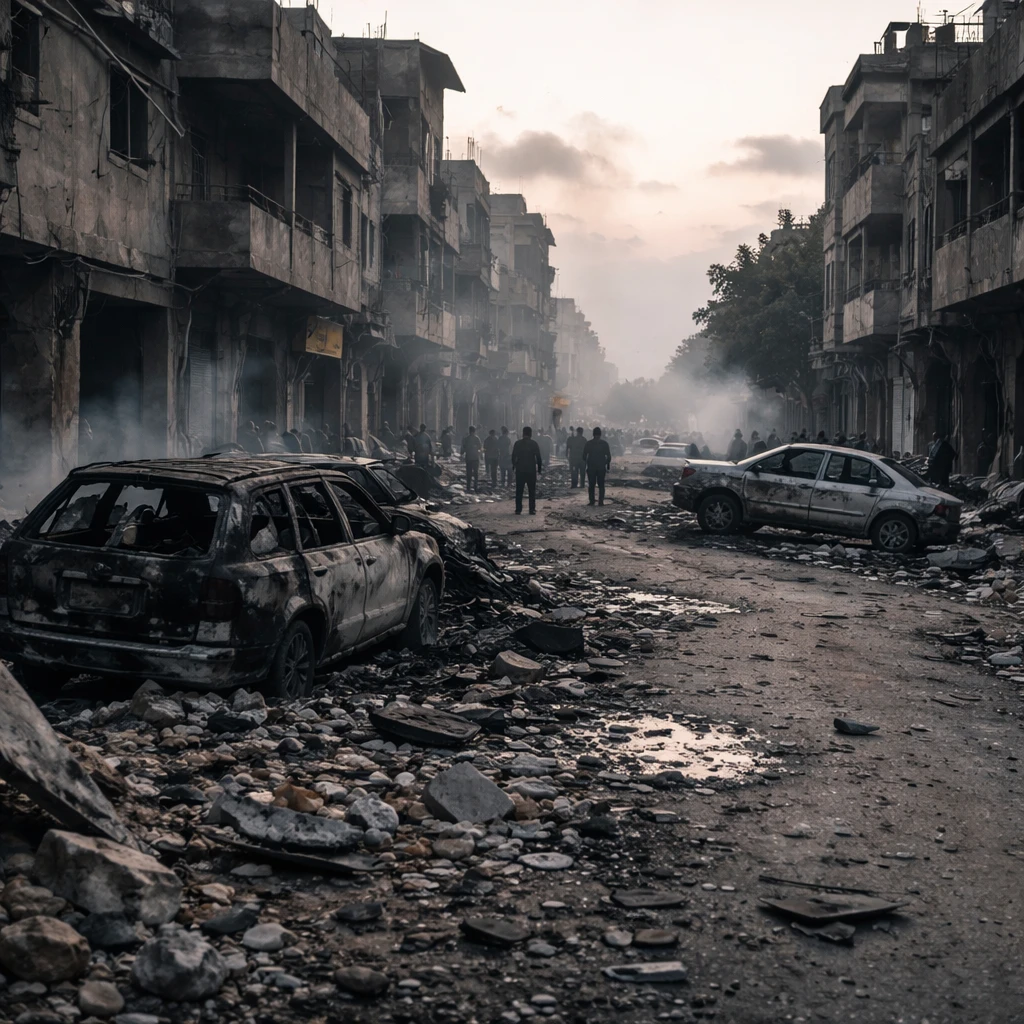
An Israeli airstrike on Sunday struck a vehicle in Deir Al-Balah, killing Colonel Wael El-Ledawi and Major Ramez Abu Zraiq, senior figures in the Hamas-administered internal security service in central Gaza. Israeli authorities confirmed a strike against a Hamas militant but provided limited detail. The incident comes amid ongoing near-daily strikes since a U.S.-brokered ceasefire halted full-scale fighting, with Gaza health officials reporting more than 1,190 Palestinian deaths, mostly civilians, since the truce began.

Senior Hamas Security Commander Killed in Israeli Strike in Central Gaza
Summarize with
ChatGPT Perplexity Claude Grok Gemini

Key Points

  • An Israeli strike in Deir Al-Balah killed Col. Wael El-Ledawi and Maj. Ramez Abu Zraiq, both senior figures in the Hamas-run internal security service - sectors affected include regional security and defense contractors.
  • Israel confirmed a strike against a Hamas militant but provided limited details; medics and the Hamas-run interior ministry provided the identities of the deceased - relevant to defense and intelligence sectors.
  • Gaza health officials report over 1,190 Palestinian deaths, mostly civilians, since the ceasefire; the truce halted large-scale fighting but near-daily strikes continue - impacts humanitarian aid delivery and reconstruction-related markets.

An air attack by Israeli forces on Sunday resulted in the deaths of two senior officers from the Hamas-run Palestinian internal security service, according to medics and police officials in the Gaza Strip. The strike struck a vehicle as it moved through Deir Al-Balah in central Gaza.

Medics and the Hamas-controlled interior ministry identified the dead as Colonel Wael El-Ledawi, who headed the internal security service for central Gaza, and Major Ramez Abu Zraiq. Both men were reported killed while travelling together in the vehicle.

The Israeli military acknowledged conducting a strike targeting a Hamas militant but released no additional details on the operation or the identities of those killed. The announcement did not elaborate on the circumstances that led to the decision to strike or on any intelligence cited to justify the action.

Over recent months, Israeli operations have killed dozens of members of the Hamas-led police force, including senior officials. Israel has said in previous statements that many of those targeted were members of Hamas’s armed wing and posed imminent threats to Israeli civilians and forces operating in and around Gaza.

Hamas has consistently criticised Israeli attacks on its police force and on police headquarters, saying such strikes are intended to create chaos and anarchy in the densely populated enclave and that they violate the U.S.-brokered October ceasefire between Israel and Hamas.

Gaza health authorities report that more than 1,190 Palestinians have been killed by Israeli strikes since the ceasefire took effect, and they say the majority of those killed were civilians. The health authorities’ count is noted as coming from Gaza officials; Hamas itself typically does not release its own casualty figures.

While the ceasefire halted full-scale hostilities, it has not stopped near-daily Israeli strikes across the territory. During the same period covered by the truce, militants in Gaza have killed four Israeli soldiers, officials said.

Israeli forces are described as effectively controlling an estimated 64% of the Gaza Strip, a narrow coastal territory that has suffered heavy bombardment over a two-year military campaign that followed the 2023 Hamas attack on southern Israel. Nearly all of Gaza’s roughly 2 million residents now live on a small stretch of coastal land, largely in makeshift tents or in heavily damaged structures, under Hamas administration and confronting severe living conditions.

Risks

  • Continued strikes and targeted killings risk further escalation and instability in the enclave - this affects defense procurement and regional security markets.
  • Ongoing hostilities and heavy damage to infrastructure increase humanitarian needs and complicate reconstruction planning - this impacts aid organizations and future real estate and infrastructure recovery efforts.
  • Limited transparency on strike details and casualty reporting creates uncertainty for policymakers and markets monitoring the conflict - this affects investors tracking geopolitical risk and insurance exposures.

More from World

Brazil Withdraws Ambassador to Argentina After Milei's Public Attacks on Lula Jul 26, 2026 Diaz-Canel Brands U.S. Oil Embargo 'Political Genocide' as Cuba Struggles with Deepening Crisis Jul 26, 2026 Kremlin Says It Is Too Early to Assess Reports of U.S.-Ukraine Talks on Air Ceasefire Jul 26, 2026 Wildfires Encroach on Bordeaux as France and Spain Race to Contain Blazes Jul 26, 2026 Ex-President Juan Orlando Hernandez to Return to Honduras Following U.S. Pardon Jul 26, 2026