
World May 15, 2026 09:18 AM

Merz Says He Would Discourage His Children From Moving to the U.S., Citing Social Climate and Job Concerns

Comments underscore growing strains between Berlin and Washington as trade and security disagreements surface

By Leila Farooq

German Chancellor Friedrich Merz told a youth audience that he would not recommend his children live, study or work in the United States at present, pointing to a shifting social climate and difficulties for even highly educated Americans to find employment. His remarks come amid escalating tensions between the United States and European allies over trade, troop deployments and conflicts in Ukraine and Iran.

Merz Says He Would Discourage His Children From Moving to the U.S., Citing Social Climate and Job Concerns

Key Points

  • Chancellor Friedrich Merz said he would not recommend his children move to or study in the U.S. now, citing a changed social climate and job difficulties for well-educated people - impacts education and labor market perceptions.
  • Merz's remarks reflect a broader strain in relations between Germany and the United States amid disputes over trade, troop deployments and conflicts in Ukraine and Iran - sectors affected include defense and automotive trade.
  • Recent exchanges between Berlin and Washington included Merz saying the U.S. was being humiliated in the Iran war, followed by Washington announcing a partial troop withdrawal from Germany and tariff hikes on EU cars - implications for security posture and auto exports.

German Chancellor Friedrich Merz said on Friday he would currently advise against his children moving to the United States for education or work, citing what he described as a changing social atmosphere and reduced opportunities even for well-qualified people.

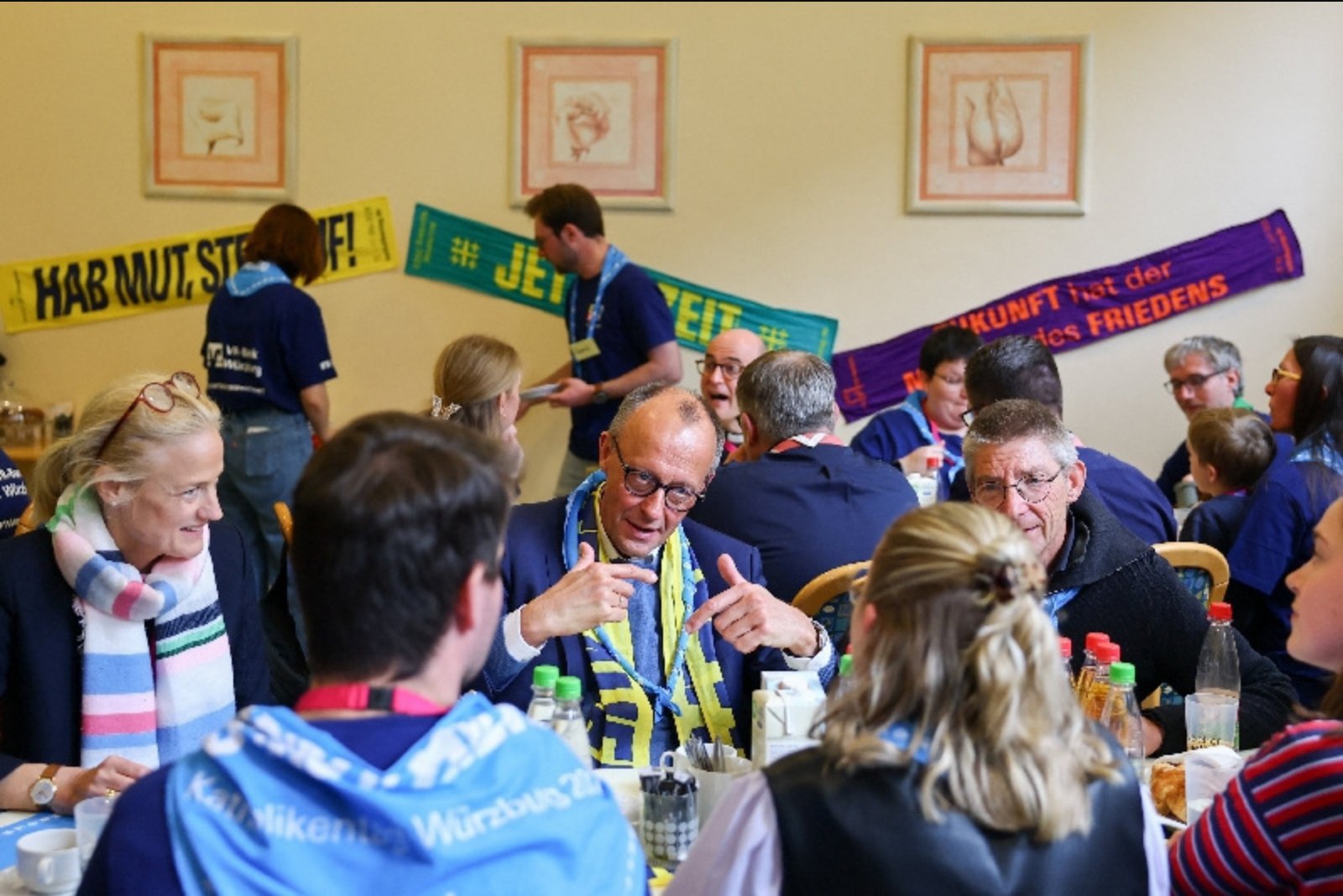
Speaking to young attendees at a Catholic convention in Wuerzburg, Merz urged Germans to resist a mindset that focuses on catastrophe and instead to be more optimistic about Germany's prospects. "I firmly believe that there are few countries in the world that offer such great opportunities, especially for young people, as Germany," he said.

He added: "I wouldn't recommend that my children go to the U.S. today, get their education there, and work there, simply because a social climate has suddenly developed there. Today, the best-educated people in America have great difficulty finding a job." Merz is a 70-year-old father of three.

The comments come as transatlantic relations have frayed under U.S. President Donald Trump, with disputes over trade, the wars in Ukraine and Iran, and decisions on troop deployments introducing tension into NATO ties. Merz, who assumed the chancellorship in 2025 and initially described himself as a transatlanticist, has grown increasingly critical of the United States.

Last month Merz said the United States was being humiliated in the Iran war - a remark that drew the ire of President Trump. In the days that followed, Washington announced a partial withdrawal of troops from Germany and implemented tariff increases on European Union cars, a sector where German manufacturers are prominent.

Addressing the audience in Wuerzburg, Merz acknowledged his admiration for the United States but said it was waning. "I am a great admirer of America," he said. "My admiration isn't growing at the moment," he added, eliciting laughter and applause.


What are the best investment opportunities in 2026? The article noted that better investment decisions often rest on improved data rather than intuition. It argued that institutional-grade data combined with AI-driven insights can help investors identify opportunities more reliably, though such tools do not guarantee winners and should be part of an informed decision process.

Risks

  • Further strain in NATO relations - decisions on troop deployments and diplomatic friction could affect defense cooperation and markets tied to military arrangements.
  • Trade tensions with tariff increases on EU cars - potential negative impact on the German automotive sector and associated suppliers.
  • Political rhetoric and bilateral disagreements - uncertainty for markets that rely on stable transatlantic policy, including exporters and industries sensitive to tariffs and geopolitical risk.

More from World

Senator Wanted by ICC Slips Away After Armed Confrontation at Manila Senate - For Now May 15, 2026 WHO Calls for Tighter Controls on Nicotine Pouches Citing Youth Appeal and Addiction Risk May 15, 2026 Large Analysis Finds No Clear Link Between Prenatal Antidepressant Use and Autism or ADHD May 15, 2026 Brazilian Political Scandal Entangles Funding for Bolsonaro Biopic Starring Jim Caviezel May 15, 2026 Court Blocks Alberta Separatist Petition; First Nations Win Legal Pause Ahead of Carney Visit May 15, 2026