
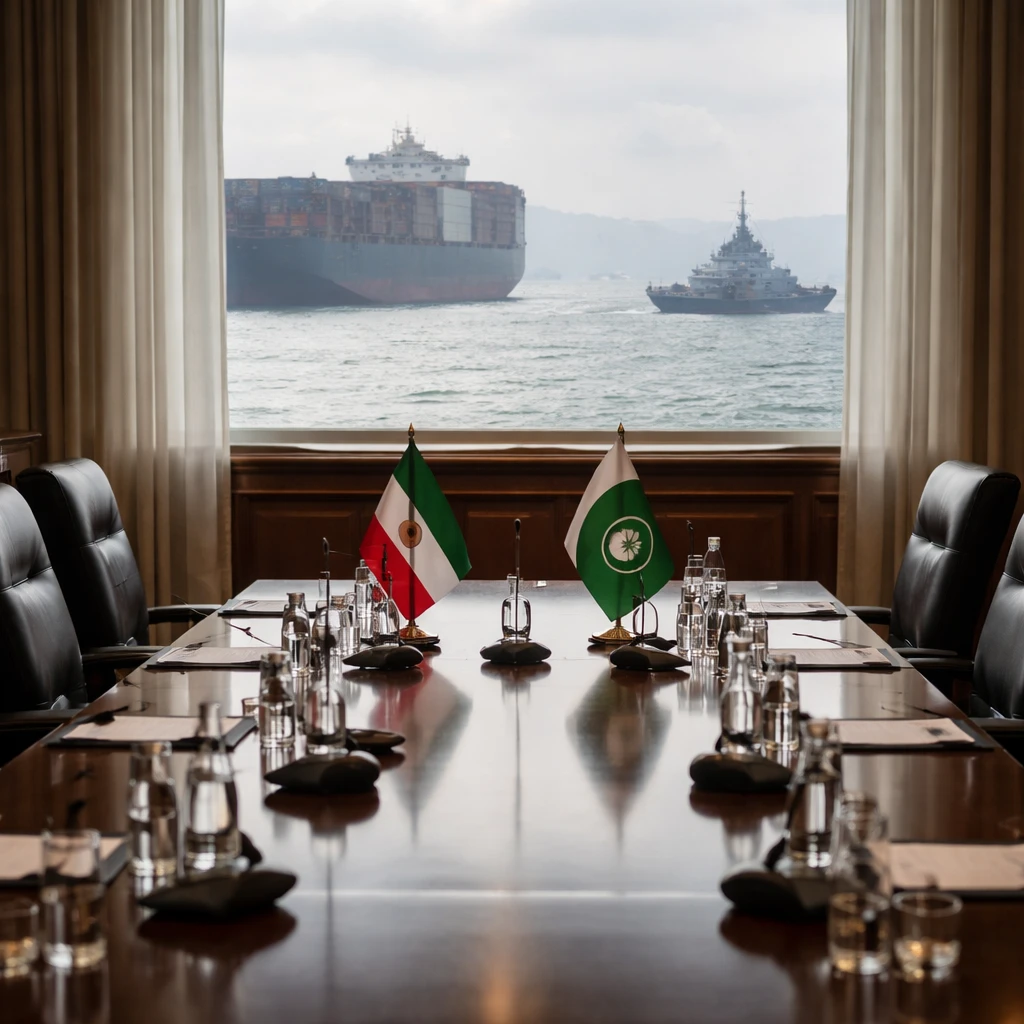
Summary: Iran has refrained from publicly committing to a second round of peace talks scheduled to take place in Islamabad this week, conditioning its participation on the United States lifting a blockade on Iranian ports. The apparent reversal follows an earlier message from Tehran indicating it would send a delegation on Tuesday.
According to mediators, Iran told organizers it would attend the talks in Pakistan on Tuesday but later communicated that U.S. authorities must remove the port blockade before Tehran would publicly confirm participation. Details on whether a private delegation would attend under those terms were not provided.
Pakistan is urging both Washington and Tehran to agree to extend the existing two-week cease-fire and to continue pursuing a diplomatic resolution. The cease-fire is approaching its expiration, and Pakistan has presented continued talks as the preferred path forward.
For the U.S. side, Vice President J.D. Vance is expected to lead the delegation to Islamabad. A senior U.S. official presence underscores Washington's role in the negotiations.
President Trump, speaking in an interview on CNBC, framed the U.S. objective in terms of neutralizing the Iranian threat, even if that goal does not result in a rapid end to hostilities. "I have all the time in the world," he said, describing his approach to the conflict.
The United States continues to maintain a blockade of Iranian ports. U.S. officials say the blockade is a response to Iran's attempts to restrict commercial maritime traffic through the Strait of Hormuz. The ongoing maritime restrictions are central to Tehran's public stance on whether it will re-engage in formal talks in Islamabad.
At present, efforts to convert the temporary cease-fire into a longer diplomatic process are ongoing, but the linkage Iran has made between participation and the lifting of the port blockade introduces a clear condition that could complicate a near-term resumption of public negotiations.
Contextual note: Information in this report is based on statements provided by mediators and comments from U.S. officials referenced above.