
Overview
Commonwealth Fusion Systems (CFS), a Massachusetts-based developer of fusion power technology, said construction work on what the company hopes will be the world’s first commercial fusion power plant is expected to begin in 2027. The company’s chief executive said the firm’s demonstration fusion machine in Massachusetts is more than 75% complete and scheduled to be turned on in 2027, with a 2026 start described as less likely.
Timeline and near-term steps
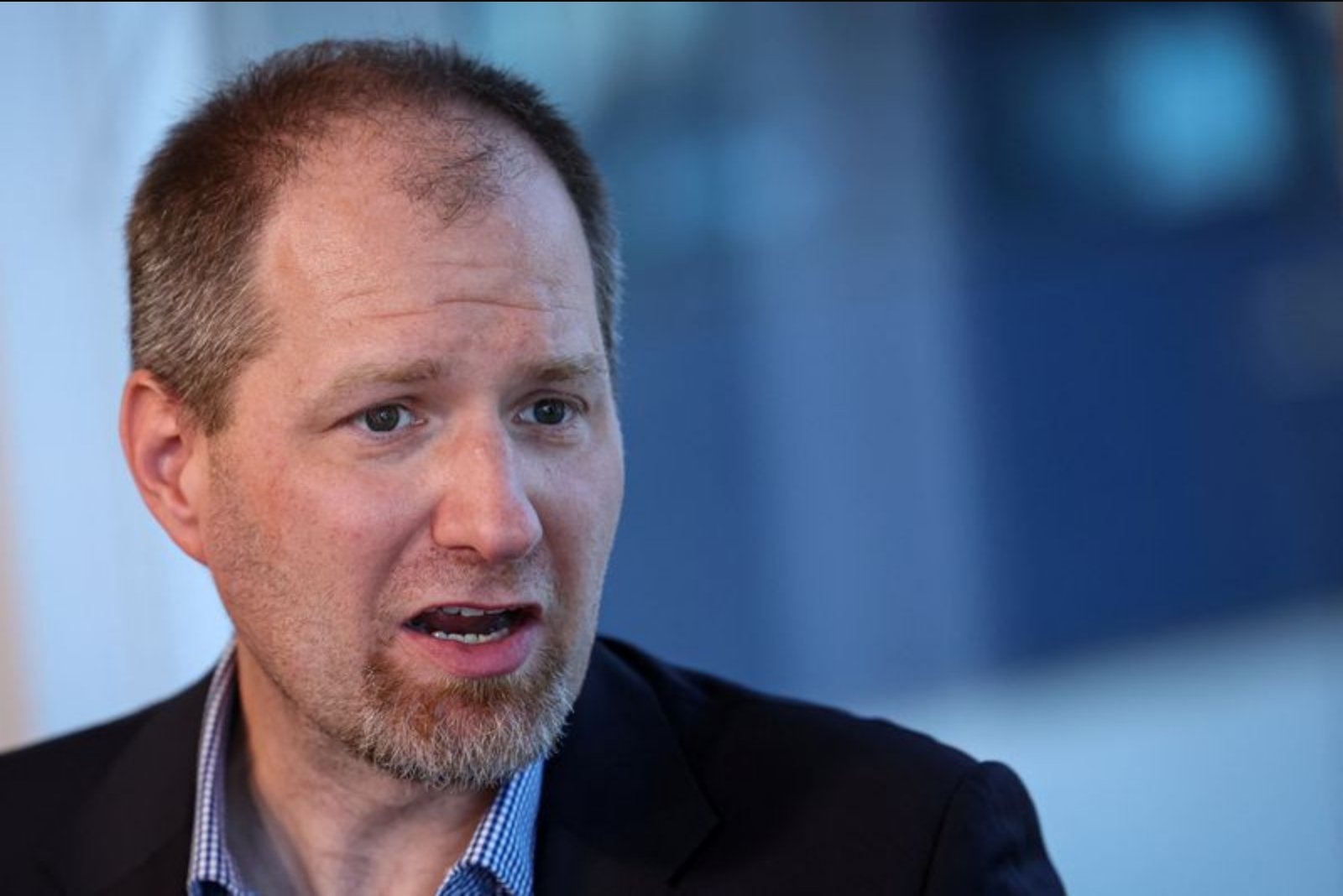
Bob Mumgaard, co-founder and CEO of Commonwealth, told an interview that once the demonstration device is operational the firm will move as quickly as possible to begin construction of a planned commercial plant in Virginia. The Virginia project is designed to produce 400 megawatts - a capacity the company notes is less than half the size of a typical nuclear fission reactor - and is currently going through permitting.
Mumgaard said, "Then immediately we’ll go as fast as we can to construction of the first commercial power plant in Virginia," and added that a 2026 start is a less-likely alternative. He also noted the permitting work remains incomplete on some electricity-related approvals: "We still have a couple more on the electricity side," and described the sequencing objective: "The goal is to be able to line that up so that as soon as capital is available, we can actually go build that project."
Funding and company position
Commonwealth has raised about $3 billion in private funding, the company said, which the CEO characterized as more capital than any other company pursuing commercial fusion plants and aiming to start generating power in the early 2030s. The firm plans to use the demonstration device and the Virginia project as stepping stones to additional commercial deployments.
Site selection and geographic scope
Following the Virginia initiative, Commonwealth plans to expand its search for additional plant locations. Mumgaard described active site evaluation work across the eastern U.S., including the Rust Belt where coal-fired plants have closed in recent years, and in the U.S. West. He said the company also sees potential for fusion technology in a range of international markets, naming the UK, Germany, Japan, Korea and Singapore as places where fusion could reduce dependence on liquefied natural gas and uranium fuel for gas and nuclear plants.
On site scouting he said, "We have a robust ... ground game of looking at sites."
Industrial policy and potential government roles
The CEO commented on a broader policy environment in which the U.S. administration has taken or plans to take stakes in certain strategic sectors such as mineral production, nuclear fission and semiconductors. He observed, "This is clearly an administration that’s thinking through a new approach to industrial policy."
Separately, a private-sector transaction noted by the company involves a late last year announcement that Trump Media & Technology Group reached terms on a $6 billion merger with TAE Technologies, a fusion company expected to take that technology public this year.
Advisory role and government engagement
Last month the administration appointed Mumgaard to the President’s Council of Advisors on Science and Technology (PCAST) alongside 12 other leaders, including Lisa Su, CEO of AMD, and Jensen Huang, CEO of NVIDIA. Mumgaard said he was uncertain whether a government equity stake would be appropriate for Commonwealth, and framed the question as conditional: "There’s some interesting things to think about in that way for a new strategic energy source like fusion. But it would really depend on the details."
Closing
Commonwealth Fusion Systems presents a timetable that centers on the 2027 activation of its demonstration machine and quick transition to construction of a 400-megawatt commercial plant in Virginia once permitting and capital align. The company is pursuing further U.S. and international sites and is engaging with government advisory structures as it advances toward its stated objective of commercial fusion power in the early 2030s.