
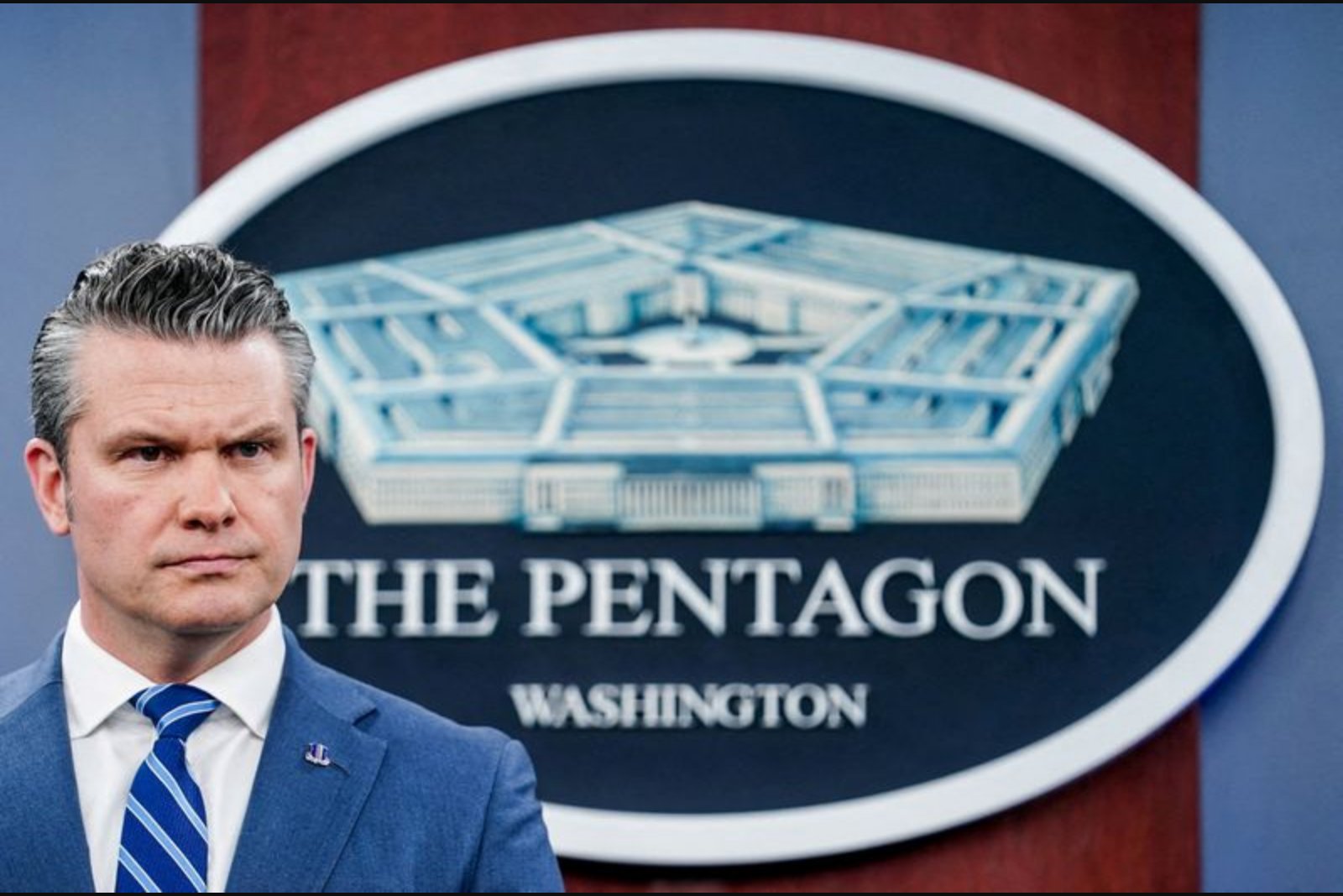
The Department of Defense will no longer enforce a universal flu-vaccine requirement for members of the U.S. armed forces, Defense Secretary Pete Hegseth said on Tuesday. In a video posted on X, Hegseth characterized the policy change as part of a broader effort to eliminate mandates he called overly broad and damaging to operational effectiveness.
"We re seizing this moment to discard any absurd, overreaching mandates that only weaken our warfighting capabilities. In this case, this includes the universal flu vaccine and the mandate behind it," Hegseth said in the video. He added that the idea a flu shot must be compulsory "for every service member, everywhere, in every circumstance, at all times, is just overly broad and not rational."
The announcement removes the Pentagon's public health requirement at a time when the Trump administration has broadly moved to scale back federal vaccine recommendations, including those for children, according to the statement. The change follows earlier shifts in military vaccine policy: the armed forces rescinded a COVID-19 vaccine mandate in 2023 after former President Joe Biden in 2021 ordered service members to be vaccinated amid objections from Republicans.
During the COVID-19 mandate period, thousands of service members were discharged for refusing the vaccine, the Pentagon noted. The U.S. military comprises about 1.3 million active-duty personnel, with more than 750,000 additional members in the National Guard and Reserve.
Hegseth said the revised policy will allow service members to receive the flu vaccine if they choose, emphasizing voluntary access: "We will not force you." The World Health Organization recommends influenza vaccination for everyone aged 6 months and older, a guidance point referenced in the announcement.
Vaccine manufacturers Sanofi, CSL Seqirus, GSK and AstraZeneca were not immediately available for comment, the Pentagon statement said. Beyond the policy change itself, the statement did not add further implementation details or timelines for when the requirement would formally end.
The decision represents a notable shift in military public health policy, converting a previously universal preventive measure into a voluntary option while maintaining availability for those who opt in.