
Vanda Research, which tracks the trading behavior of self-directed individual investors, says the close of U.S. tax season appears to be coinciding with the first stirrings of a renewed meme-stock cycle.
"As investors become less preoccupied with the Middle Eastern conflict 'and this group of people can focus on what to do with their tax refunds, we’re starting to see some early indications of another meme-stock summer,'" said Viraj Patel, global macro strategist at Vanda.
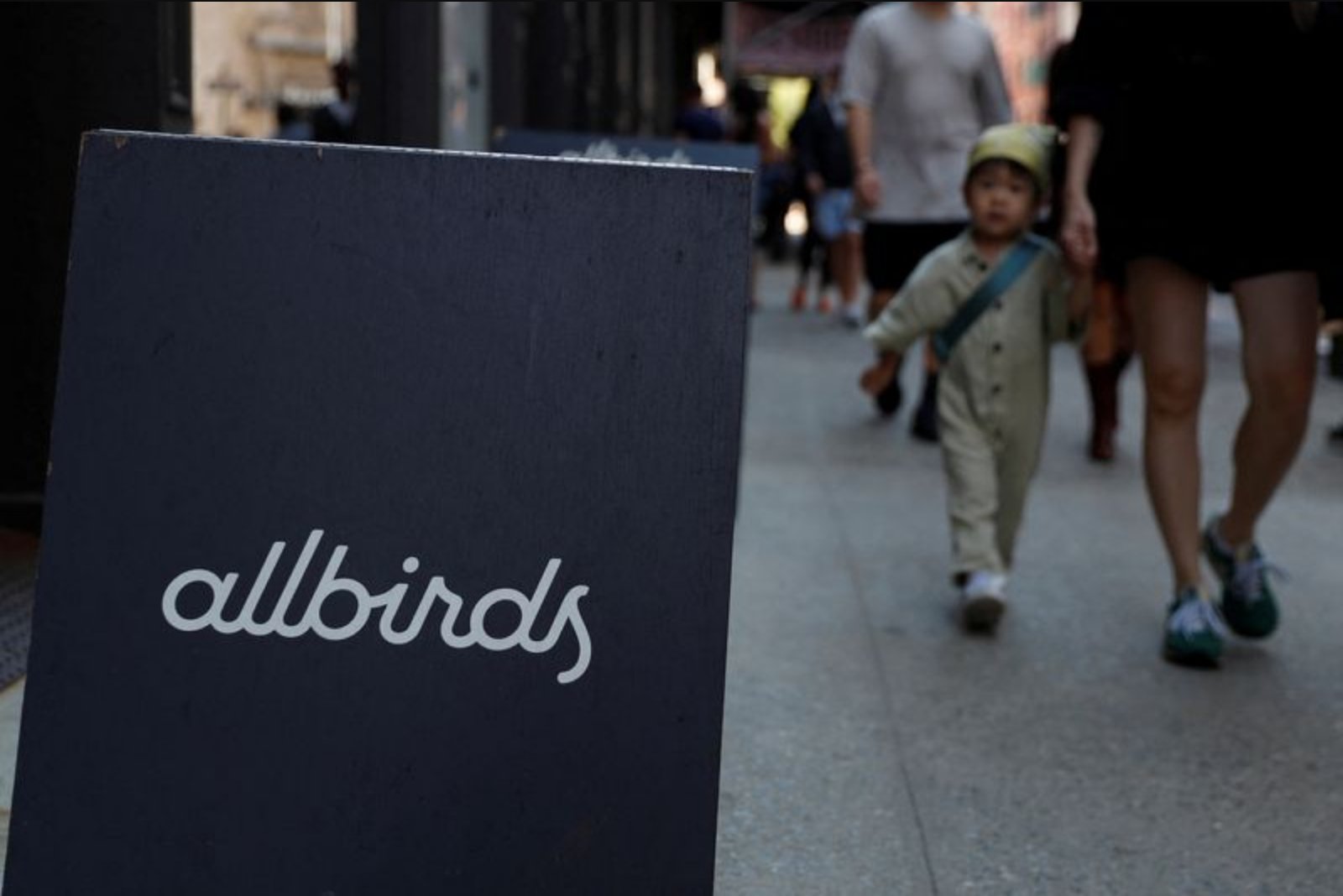
The research house points to a constellation of recent moves by retail traders rather than a single outsize event. Still, one striking episode this week brought the phenomenon into sharp relief: a five-fold rally on Wednesday in the shares of Allbirds after the company, formerly known for its footwear, said it would reorient itself as an artificial intelligence computing infrastructure business.
Retail investors appeared to respond enthusiastically to the company’s plan and its prospective name change to NewBird AI. Although the stock gave back some gains on Thursday, sliding nearly 36% to $10.91 a share, it remains far above its 52-week low of $2.15 a share.
Vanda estimated retail net buying of Allbirds shares on Wednesday reached a record $5.2 million, surpassing even the roughly $5 million turnover recorded on the company’s IPO day in 2021, when demand centered on its eco-friendly footwear reputation. "We’ve seen this playbook before - retail stepping in aggressively when a ’non-tech’ company pivots toward AI," Vanda analysts wrote in a note on Thursday.
Patel cautioned that the evidence for a broader wave does not rest solely on a single name. He highlighted signs that retail investors are again aggressively buying established favorites, naming Tesla and Palantir Technologies, along with quantum computing firm IonQ, as examples of the kinds of stocks capturing individual traders’ imaginations. "These are retail favorites; meme stocks that capture the imagination of the individual trader," Patel said.
Other small-cap and social media-fueled moves this week reinforced the pattern. Social networking firm Myseum saw its shares jump 150% on Thursday after announcing its own AI pivot. Earlier in the year, Algorhythm Holdings - which a year earlier had been selling karaoke machines under the name the Singing Machine Co - briefly saw its shares surge to $4 in February after claims it could boost customers’ freight volumes by 300% to 400% "without a corresponding increase in operational headcount."
Meme stocks first grabbed widespread attention in the early pandemic period, when increased retail participation from home fueled waves of speculative trading. But many of the companies that rose in successive speculative episodes have been unable to sustain those gains over time. Opendoor Technologies, which was part of last year’s batch of meme stocks, currently trades at around $5.20 a share, less than half its 52-week high of $10.87. Beyond Meat, another name that once enjoyed meme-driven interest, now trades near $0.79, down markedly from a 52-week high of $7.69.
Observers often point to these patterns as signs of market froth when new speculative names or companies promoting trendy market buzzwords emerge. The Allbirds episode recalled an earlier example from December 2017, when Long Island Iced Tea nearly tripled after announcing a pivot toward blockchain amid a cryptocurrency price boom. The company later rebranded as Long Blockchain and ultimately sold off its legacy beverage assets in 2019 after bitcoin prices fell and it faced a Nasdaq delisting notice.
Not all market watchers interpret the recent spikes as irrational exuberance detached from broader market fundamentals. Some investors argue the current upswing in speculative trading is occurring against a backdrop of improving corporate profit expectations and a persistent fear of missing out during a multi-year bull market. "We are going to always see froth around the edges, and all too often they coincide with market rallies," said Art Hogan, market strategist at B. Riley Wealth. "There’s a cohort of investors who sadly always seem to want to chase the most speculative names in the market."
Context and implications
Vanda’s analysis suggests that the end of tax season can leave retail investors with fresh capital to deploy, and that the combination of social-media narratives and AI-related pivots is an effective trigger for episodic rallies. The pattern highlights the continuing role of retail participation in amplifying volatility among small-cap and meme-favored names, particularly where a company signals a pivot to a popular theme such as artificial intelligence.
How long these episodes persist, and whether gains from them are sustained, remains uncertain. The history of previous meme episodes includes multiple examples where prices retreated sharply after initial surges. The interaction between retail enthusiasm, corporate pivots toward marketable narratives, and broader market conditions will be central to whether current activity becomes a sustained trend or a short-lived wave.