
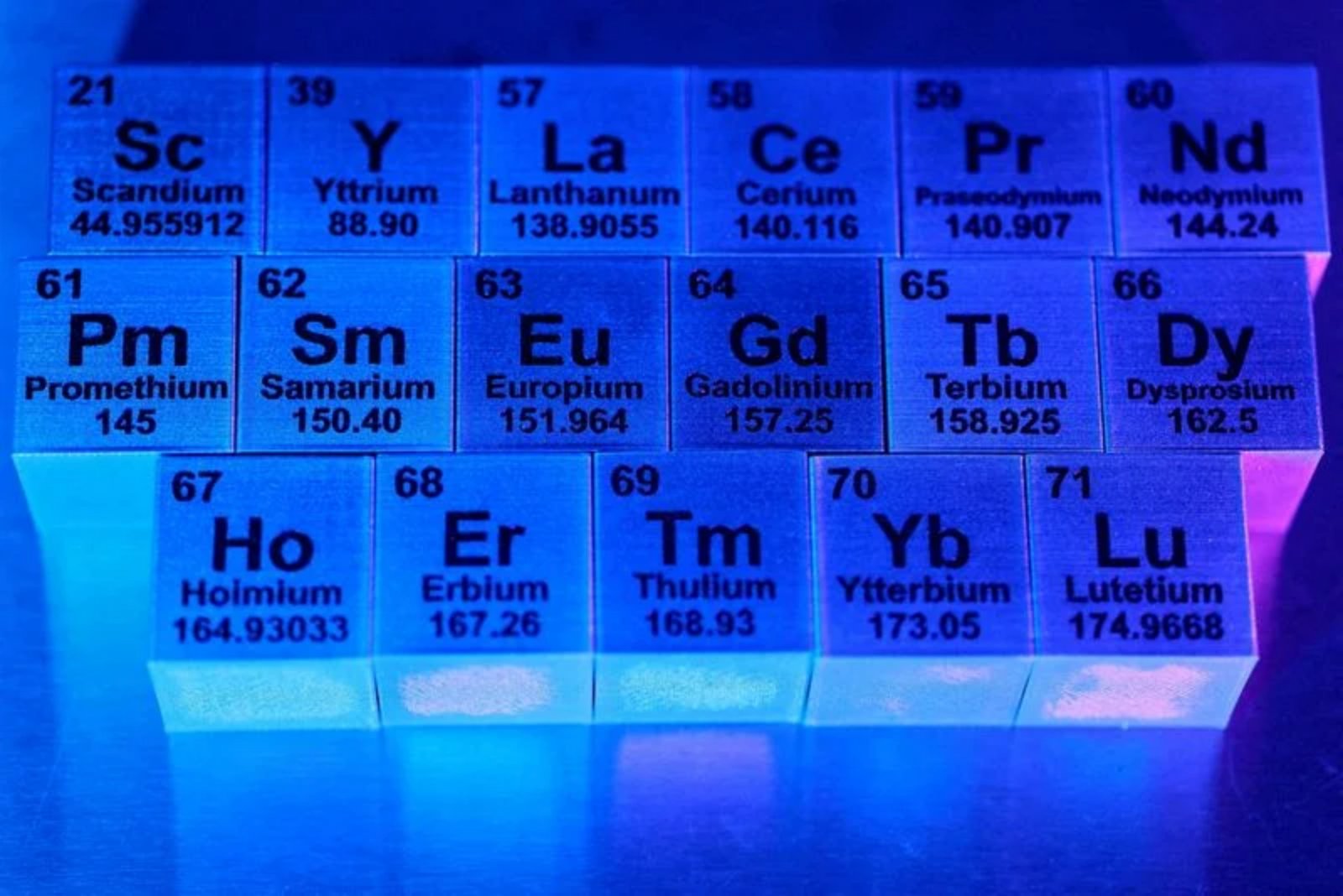
On June 18, the U.S. government executed a conditional loan commitment worth $725 million with Energy Fuels aimed at increasing domestic capacity to process rare earth elements. The Office of Strategic Capital - part of the Department of War - said the financing will support Energy Fuels as it moves beyond its core uranium business into rare earth separation and metallization, processes essential to producing permanent magnets.
The OSC release noted that the company must satisfy a set of due diligence conditions tied to the loan commitment. Those conditions cover financial, legal and technical requirements, among other items, though the OSC did not provide further detail on the exact measures Energy Fuels must meet to access the funds.
According to the OSC, the expanded production is expected to "directly support permanent magnet facilities across the broader U.S. industrial base and improve supply chains for other specialty defense and industrial products." The release framed the investment as part of broader efforts by the United States and other countries to boost rare earth mining and processing after China moved to restrict exports of rare earth magnets.
Permanent magnets made with separated and metallized rare earths are used in a range of technologies, including motors in electric vehicles, wind turbines, hard disk drives, and medical devices such as MRI machines. The OSC linked the Energy Fuels commitment to efforts to reduce reliance on foreign suppliers of key magnet components.
Energy Fuels is known primarily as a uranium producer and will expand operations to include rare earth processing activities under the conditional loan arrangement. The company is listed under the ticker UUUU. The OSC statement did not expand on timelines, specific facility investments, or when conditional requirements would be deemed satisfied.
The loan agreement is conditional; until Energy Fuels completes the stated financial, legal, technical and other due diligence requirements, the $725 million commitment will not be disbursed. The OSC did not elaborate on enforcement or monitoring mechanisms tied to the loan, or on subsequent steps should the company fail to meet the conditions.
Implications
For sectors that depend on permanent magnets and rare earth supply chains, including automotive, renewable energy, data storage and medical devices, the OSC framed the loan as a domestic supply chain strengthening measure. The announcement reflects policy-driven investment in processing capacity rather than new information on commercial contracts or production schedules.