
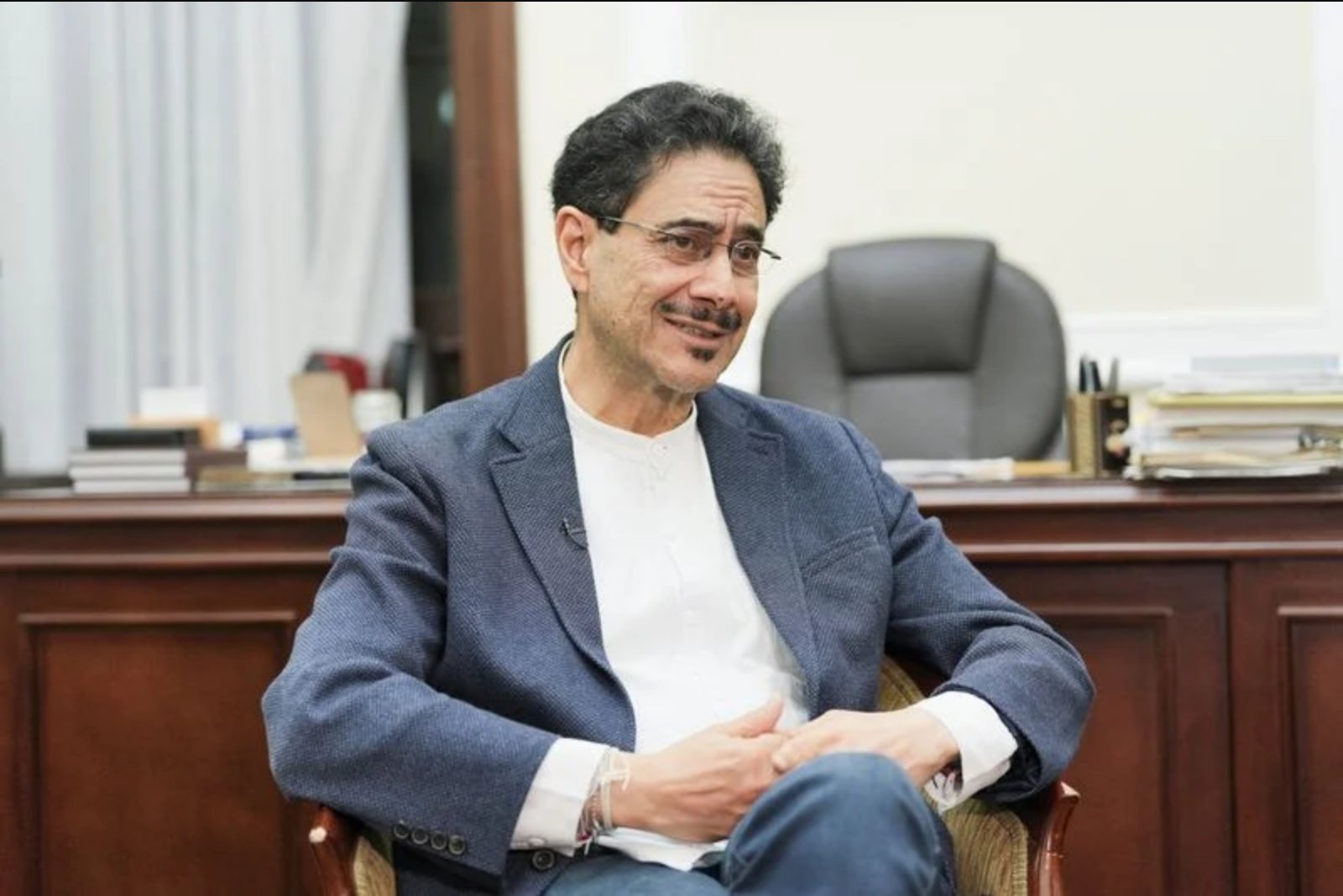
Ivan Cepeda, a prominent left-wing senator and long-time activist, is running for Colombia’s presidency on a platform that promises to deepen the economic and social reforms initiated under President Gustavo Petro. Cepeda, 63, who experienced exile as a young man and endured the political assassination of his father, entered the runoff after finishing second in the first round held in late May. In polls leading up to the final vote, he trailed right-wing contender Abelardo De La Espriella, who emerged as the favorite to win Sunday’s ballot.
The two candidates articulate distinctly different blueprints for the country. Cepeda has pledged to continue and expand the progressive agenda of Petro - Colombia’s first leftist president and a former guerrilla - while De La Espriella has made law-and-order and deregulation central components of his campaign.
Support for the contenders divides along clear lines. Investors, conservative voters and the business community have tended to back De La Espriella. In contrast, Cepeda drew his strongest support from coastal and Amazonian areas, the traditional left, and many voters in Bogota.
Policy priorities and proposals
Cepeda calls the country’s entrenched inequality a principal problem and promotes an agenda he terms "social capitalism," focused on poverty reduction and broader social support. His specific proposals include raising taxes on the wealthiest Colombians, granting community organizations access to state contracts, allocating 1 million hectares of land to victims of the armed conflict, and strengthening income programs for the poor and the elderly.
"It is a program that proposes social reforms that I want not only to be deepened and consolidated, but also to be radicalized in some cases," Cepeda said in an interview last week.
He also took part as a facilitator in the talks that produced the 2016 peace agreement with the former FARC guerrillas, and has pledged to press forward with Petro’s efforts to pursue peace talks with illegal armed groups that have fought the state for decades. The peace and reconciliation agenda is a central element of his platform and of his public record.
Adjustments since the first round
Since the first-round vote, Cepeda has moderated some positions, signaling a desire to secure political consensus for reforms and shelving plans to pursue a new constitution. He has emphasized his commitment to constitutional order, asserting, "I am a democrat, I am going to run a government strictly adhering to the Constitution and the law."
His professional and academic background includes studies in philosophy, law and political science in Bulgaria, France and Colombia. He rose to wider national prominence following the conviction and 12-year house arrest of former President Alvaro Uribe for fraud and bribery in a case that identified Cepeda as one of several victims.
Personal history and controversies
Cepeda’s family history is closely tied to left-wing political movements. Both of his parents were communist leaders, and the family experienced two periods of political exile in Havana and in the former Czechoslovakia. In 1994 his father, Manuel Cepeda, was shot dead in Bogota while in his car. The younger Cepeda has described arriving at university and seeing his father’s body from a bus window, after initially believing the scene was a traffic accident. In 2010, the Inter-American Court of Human Rights found the Colombian state responsible for Manuel Cepeda’s murder, attributing the killing to military and paramilitary actors.
Cepeda is married to Pilar Rueda, who recently stepped down from her role as an advisor to the special court tasked with investigating and prosecuting human rights violations linked to Colombia’s conflict.
His political adversaries have accused him of maintaining close ties with former FARC leaders, allegations he has consistently denied.
Electoral standing
Late polls cited Cepeda trailing in the decisive round, showing him with 44.8% of the vote compared with De La Espriella’s 52.6%. The outcome of the Sunday ballot will determine whether Cepeda’s call to intensify social reforms gains the executive mandate he seeks or whether Colombia moves toward the security and deregulatory priorities advocated by his rival.