
Economy June 18, 2026 08:44 AM

Brazil signals room for more rate cuts but leaves decision to central bank

Finance minister highlights fiscal restraint and methodological reviews as inflation rises above target

By Jordan Park
Share
Twitter Reddit Facebook LinkedIn

Brazil’s finance minister said further reductions in interest rates are possible, while stressing that the central bank holds authority over monetary policy. The government is blocking 23 billion reais in the budget to underscore fiscal tightening even as annual inflation has accelerated above the central bank’s target and the central bank projects higher inflation for the year.

Brazil signals room for more rate cuts but leaves decision to central bank
Summarize with
ChatGPT Perplexity Claude Grok Gemini

Key Points

  • Finance Minister Dario Durigan signaled potential for further interest rate cuts but emphasized the central bank’s authority - impacts monetary policy and fixed-income markets.
  • The government is blocking 23 billion reais in the budget to signal fiscal tightening intended to support monetary policy - impacts public finances and investor confidence in sovereign debt markets.
  • Annual inflation accelerated to 4.72% in May, above the 3% target, and the central bank projects 5.2% for the full year - impacts consumer prices, purchasing power, and sectors sensitive to inflation such as retail and consumer goods.

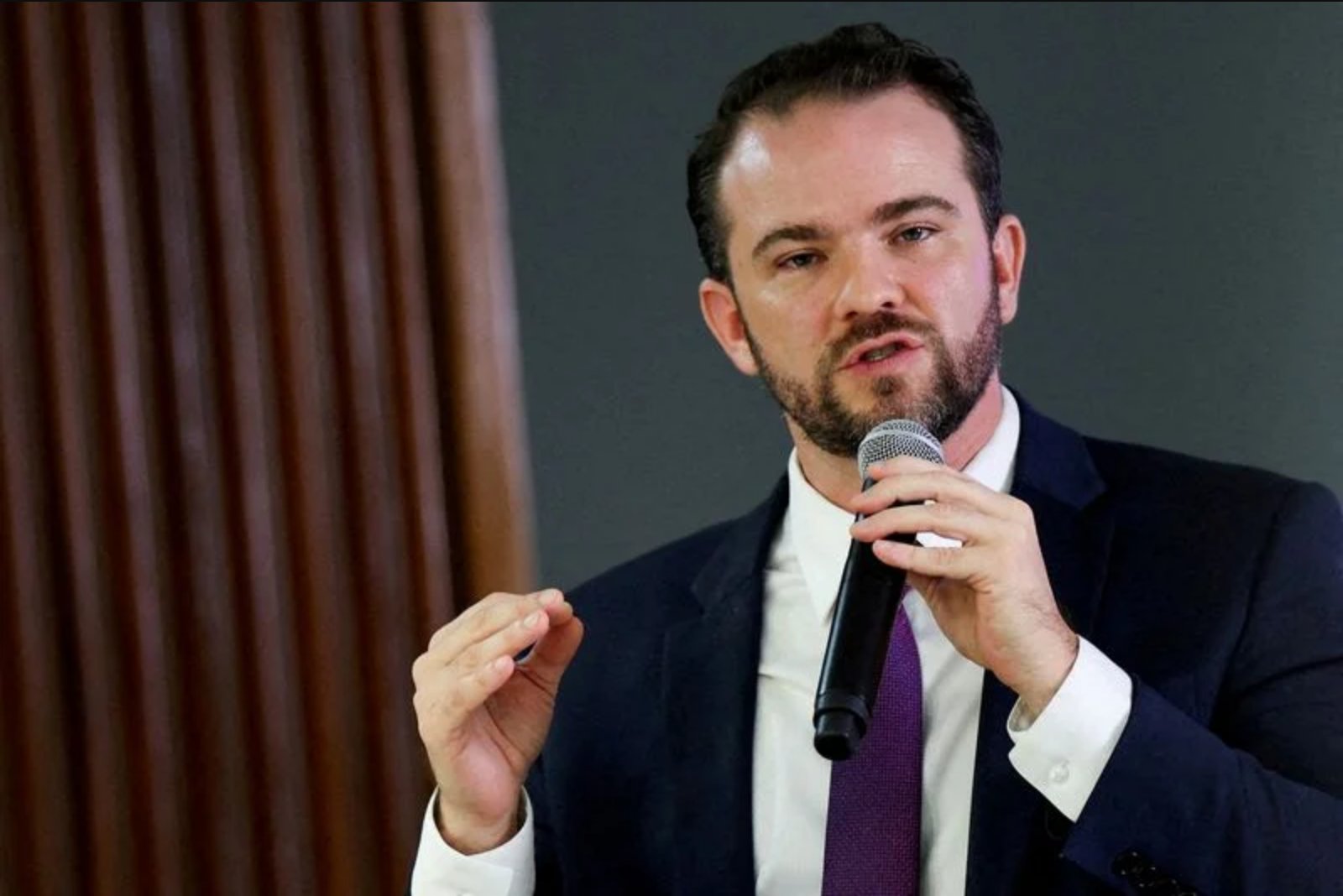
SAO PAULO/BRASILIA, June 18 - Brazil’s Finance Minister Dario Durigan said on Thursday that there remains space for additional cuts to interest rates in the country, but he underlined that any such moves are the central bank’s decision to make.

Durigan’s remarks came a day after the central bank reduced its policy rate for the third consecutive meeting to 14.25% and signaled an open stance on future steps. The central bank reduced rates while also acknowledging a deteriorating inflation outlook, increasing its projections and warning of rising upside risks to consumer prices.

The finance minister described actions taken at the government level to help keep inflation in check. He said the administration is withholding 23 billion reais from the budget as a demonstration of fiscal tightening that should support monetary policy objectives.

On the question of how inflation is measured, Durigan reiterated that although he has previously supported a review of the methodology used to calculate inflation to align it more closely with current household spending patterns, he respects the official readings. He said he has never advocated for changing the index simply because the number is rising and framed his prior comments as support for studies to modernize the methodology rather than immediate alterations to the index.

Recent data show annual inflation in Brazil accelerated to 4.72% in May, putting the rate above the central bank’s 3% target. In its latest projections, the central bank indicated that inflation is likely to climb further, estimating a full-year rate of 5.2%.

Durigan’s comments emphasize a division of responsibilities: the government will pursue measures it deems supportive of price stability while leaving decisions on interest rates to the central bank. The exchange rate noted in reporting was $1 = 5.1052 reais.


Clear summary

Brazil’s finance minister says there is room for more rate cuts but the central bank will decide next steps; the government is constraining spending by blocking 23 billion reais in the budget and supports methodological reviews of inflation measurement while respecting current readings. Annual inflation rose to 4.72% in May and the central bank projects 5.2% for the year.

Risks

  • Worsening inflation outlook and rising upside risks to consumer prices could erode purchasing power and complicate monetary policy - impacts households and consumer-facing sectors.
  • Uncertainty over the central bank’s future path after three consecutive rate cuts introduces policy risk for financial markets and interest-rate-sensitive assets - impacts bond markets and lenders.
  • Elevated inflation above target and a projected further increase to 5.2% create uncertainty for fiscal planning and could constrain real income growth - impacts public finances and consumer demand.

More from Economy

Berlin Weighs Keeping Partial Release of Strategic Oil Stocks Beyond August Jun 18, 2026 Canada's Industrial Prices Rise Sharply in May as Shipping Disruptions Pressure Commodities Jun 18, 2026 Bailey underscores need for stability as political questions loom over UK markets Jun 18, 2026 U.S. Weekly Jobless Claims Dip as Layoffs Remain Low Jun 18, 2026 Brazil Finance Chief Says Further Rate Reductions Are Possible as Inflation Outlook Worsens Jun 18, 2026