
Stock Markets April 23, 2026 01:52 AM

Saab Q1: Sales and profits climb as surveillance and combat systems lift demand

Broad-based growth drives higher margins and net income even as order intake softens due to fewer large contracts

By Sofia Navarro
Saab Q1: Sales and profits climb as surveillance and combat systems lift demand

Saab reported a strong first quarter, with double-digit sales growth and a marked increase in operating profit driven by high demand for surveillance systems and combat solutions. While order intake eased, the company says its backlog remains substantial and that it is investing to expand capacity and digital capabilities.

Key Points

  • Saab reported Q1 sales of 19.2 billion Swedish crowns, up 21% year-on-year, with organic growth of 23.6%; operating profit rose 32% to 1.92 billion crowns and net income increased to 1.47 billion crowns.
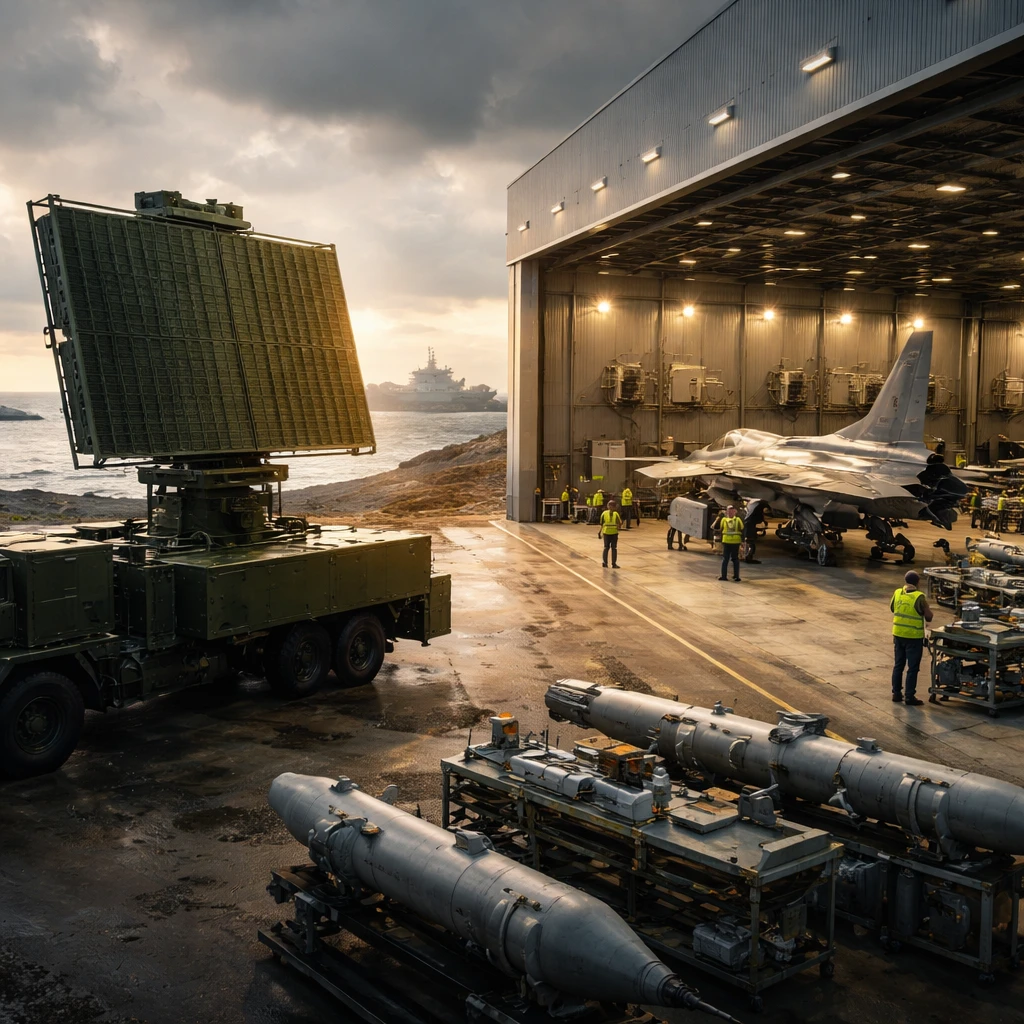
  • Surveillance was a standout business area with a 32% increase in sales driven by radar deliveries and project execution; demand also remained high for fighter jets, missile systems and naval solutions - impacting the defence and aerospace sectors.
  • Order intake fell 5% to 18.2 billion crowns due to fewer large contracts, though medium-sized orders rose sharply; the company’s order backlog was 274 billion crowns, supporting medium-term revenue visibility.

Swedish defence group Saab AB reported a robust first-quarter performance, driven by strong demand across its portfolio of surveillance and combat systems amid a supportive global security backdrop.

For the January-March period, Saab's sales rose 21% year-on-year to 19.2 billion Swedish crowns ($2.07 billion), with reported organic sales growth of 23.6%. The company recorded an operating profit of 1.92 billion crowns, a 32% increase from the prior year, producing an operating margin of 10.0%, up from 9.2% a year earlier. Net income rose to 1.47 billion crowns from 1.27 billion crowns.

Management described the growth as broad-based across all business areas. Surveillance delivered particularly strong results, where deliveries of radar systems and project execution contributed to a 32% jump in sales in that division. Demand remained elevated across Saab’s wider product range, including fighter jets, missile systems and naval solutions.

Order intake for the quarter fell 5% to 18.2 billion crowns, a decline the company attributed to a lower number of large contracts during the period. At the same time, medium-sized orders increased sharply. Saab’s order backlog stood at 274 billion crowns at the end of the quarter.

Chief Executive Micael Johansson commented that Saab is benefitting from sustained global defence spending amid geopolitical tensions, while continuing to invest in capacity expansion and digitalisation to support future delivery capability.

The company reiterated that it has no defence-related sales exposure to Belarus, Russia or Iran, but said it is closely monitoring the potential impact on the business from the war in Ukraine and ongoing conflicts in the Middle East.

Looking ahead, Saab said it remains on track to meet its target of average organic sales growth of around 22% annually over 2023-2027. The company also expects operating income to grow faster than sales, citing the benefits of scale and efficiency gains as supporting factors.


Context and outlook

Saab’s quarterly report highlights a mix of accelerating revenue and profits alongside an easing in large contract awards. The firm is emphasising capacity investment and digital initiatives as it seeks to sustain the recent growth trajectory and translate higher sales into stronger operating income.

Risks

  • Order intake dipped 5% because of fewer large contracts, which could affect the pace of future revenue recognition in the defence and aerospace supply chains.
  • Saab is monitoring the impact of the war in Ukraine and conflicts in the Middle East on its business, reflecting geopolitical uncertainty that can affect defence procurement and project timing.
  • Achieving the stated average organic sales growth target of around 22% annually through 2027 depends on continued high defence spending and the realisation of scale and efficiency gains cited by the company.

More from Stock Markets

London Stock Exchange Group Lifts Full-Year Outlook After Strong Q1 Performance Apr 23, 2026 China Drives Electric-Vehicle Strategy Overseas as Domestic Market Weakens Apr 23, 2026 European stocks drift lower as Strait of Hormuz tensions persist Apr 23, 2026 Bain Capital Seeks Sale of Minimum 40% Stake in Bridge Data Centres at $5 Billion Valuation Apr 23, 2026 UK Stocks Open Lower as Middle East Tensions Keep Pressure on Markets Apr 23, 2026