
BEIJING, April 23 - Chinese vehicle makers are accelerating efforts to export advanced electric vehicles and related mobility technologies, a move that reflects both an ambition to win global market share and pressure from difficult conditions at home.
The country - home to the world’s largest and most technologically advanced car market - has been battered by a prolonged price war that has left showrooms and lots well supplied with vehicles. That surplus, combined with falling consumer demand, has pushed manufacturers to look beyond domestic sales for better margins and additional volume.
Data cited in this report show China’s car sales declined 18% in the first quarter from a year earlier. Industry projections in the same reporting indicate sales are expected to remain flat or continue falling for the foreseeable future. Against that backdrop, automakers are increasing their focus on foreign markets where higher prices and larger scale could improve profitability.
Even where tariffs apply, Chinese-made EVs can remain competitive in continental Europe, according to the reporting. The United States, by contrast, is currently closed to Chinese car imports, though companies are pursuing other international opportunities.
"They’ve reached a point where they know it’s not just about China," said Pedro Pacheco, an analyst at research firm Gartner, discussing Chinese automakers. "They also need a roadmap to deploy technology in Europe, in Latin America, in Southeast Asia."
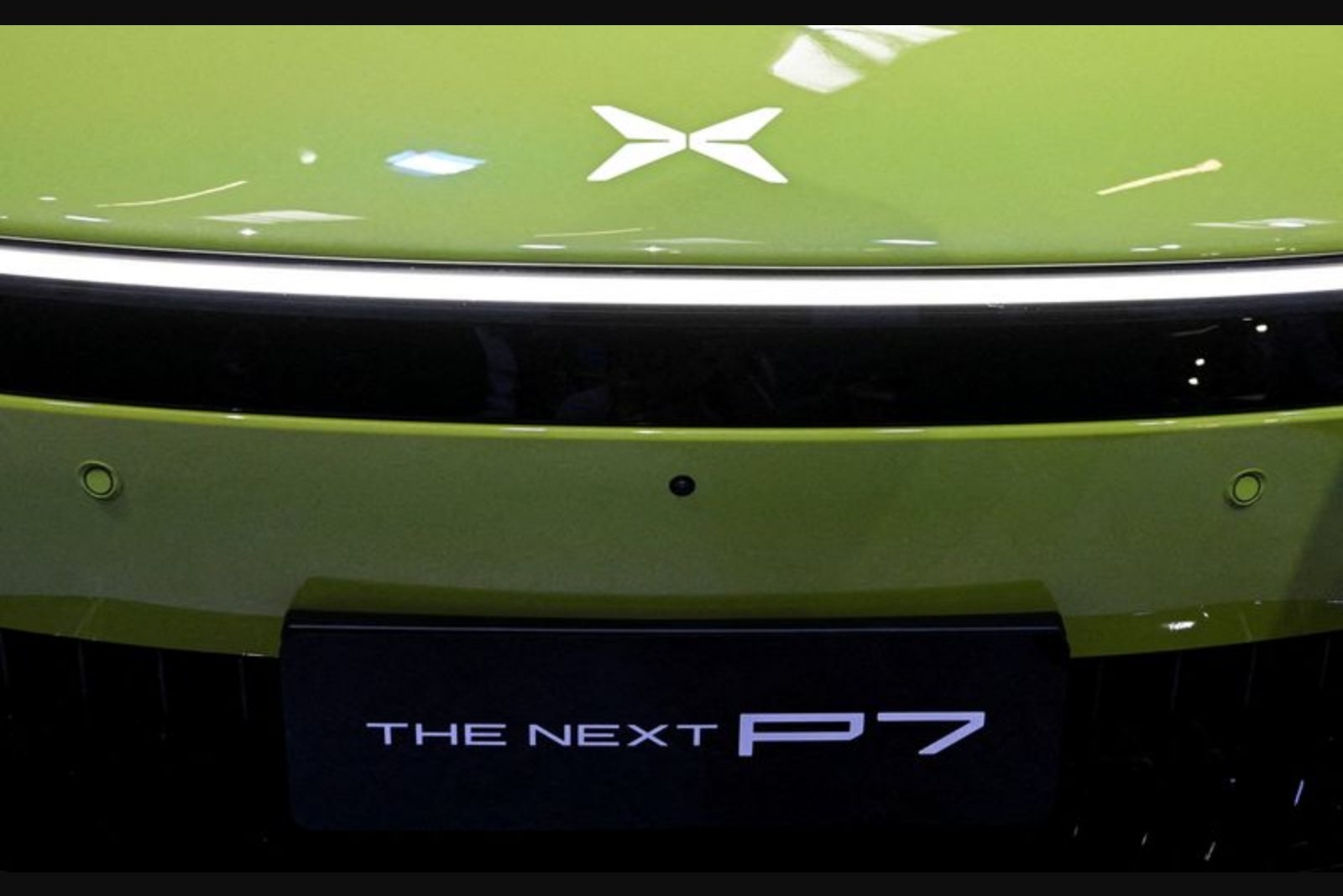
Among the companies expanding abroad is Xpeng. President Brian Gu told reporters the company expects to begin large-scale production of its so-called "flying" cars next year and to start manufacturing humanoid robots in the fourth quarter of 2026. Xpeng has received more than 7,000 orders for its flying cars, most of which are for delivery within China, and the company is working with national aviation regulators to obtain approval.
Gu also said Xpeng plans to begin robotaxi testing in Guangzhou this year, and that 2027 will be a "critical year" for global tests in partnership with overseas participants. Last year, Xpeng derived around 15% of its revenue from international sales; the company projects that in the next five to 10 years more than half of its revenue will come from markets outside China.
These moves combine product innovation - from flying cars to humanoid robots - with a strategic shift toward export-led growth as domestic demand softens. For manufacturers, the calculus is straightforward: expand into regions where tariffs and other trade barriers still leave Chinese EVs price-competitive, while developing regulatory pathways for advanced mobility products.
At the same time, the current environment underscores constraints facing the domestic auto sector - an over-supplied market, sustained price competition and a near-term outlook of stagnant or declining sales volumes.
Market participants and observers will watch how regulatory approvals, tariff regimes and foreign market reception shape the pace and profitability of this overseas push.