
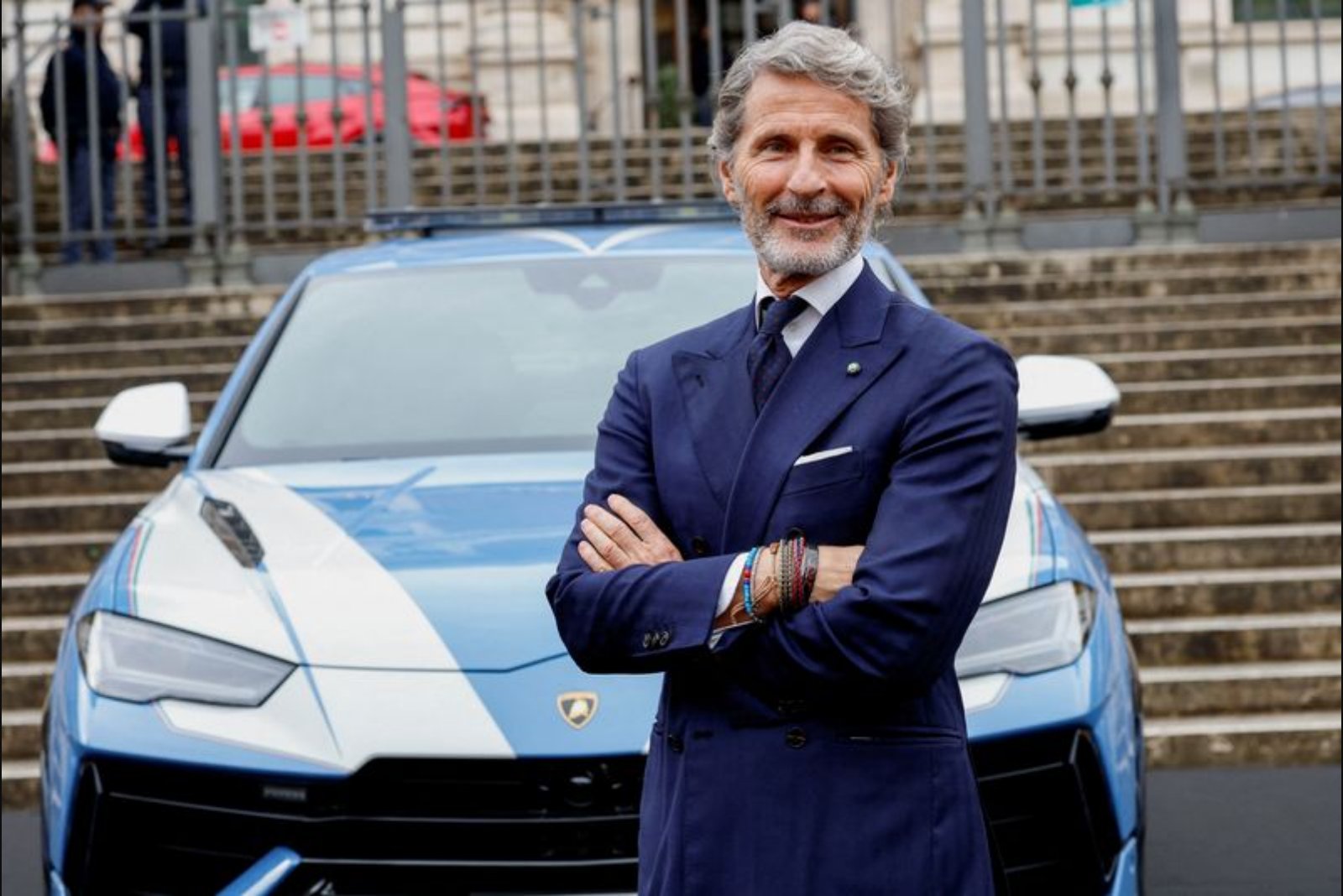
Lamborghini has stopped deliveries and sales activity across much of the Middle East, the company's CEO said on Thursday, with conflict in the region prompting dealership closures and stopping shipments to the Gulf. "Activities are stopped. We cannot send the cars. Dealerships are either closed or just nobody goes there," Stephan Winkelmann told reporters after a company event held during Milan Fashion Week.
The CEO said the disruption risks wiping out most of the Gulf selling season. Lamborghini's regional demand follows a pronounced seasonal pattern - buyers are concentrated in the periods immediately before and after the hottest months, when extreme summer heat typically keeps potential customers away from showrooms. Because of that seasonality, lost sales in the Gulf may not be recoverable later in the year if the disruption continues.
Logistics have been directly affected. Winkelmann said the carmaker has been unable to ship vehicles to most Gulf states, explicitly naming the United Arab Emirates and Oman as affected markets, while noting Saudi Arabia has been slightly less impacted. The company examined rerouting options, including alternate ports such as Jeddah, but the CEO said rerouting shipments made little sense while the market was effectively closed.
The Middle East typically represents about 450 cars sold annually for Lamborghini, roughly 5% of the brand's yearly volume. Though that share is modest, the region has been a source of strong profit margins for luxury automakers, consistent with industry peers. Other high-end carmakers have similarly paused deliveries and temporarily shut dealerships across the Gulf amid the same logistical and demand disruptions.
Winkelmann said vehicles ordered months earlier are not being delivered on schedule in the region, yet he added that cancellations have not been a major issue so far. "If the conflict drags on, it will certainly be a problem for us," he said, underlining the uncertainty that a prolonged interruption would create for sales and planning.
In principle, Lamborghini can reallocate volumes to other markets if the disruption persists, a contingency it used during the pandemic and other global shocks. However, the CEO cautioned that such reallocation would not be feasible in the short term. The company is therefore facing an immediate halt to Middle East operations with potential medium-term planning challenges if normal market access is not restored.
Context and implications
- Seasonality concentrates Middle East demand before and after summer, amplifying the impact of a temporary closure.
- Shipping constraints have affected the United Arab Emirates and Oman most, with Saudi Arabia less affected.
- The region represents a small portion of volume but contributes unusually high margins for luxury carmakers.