
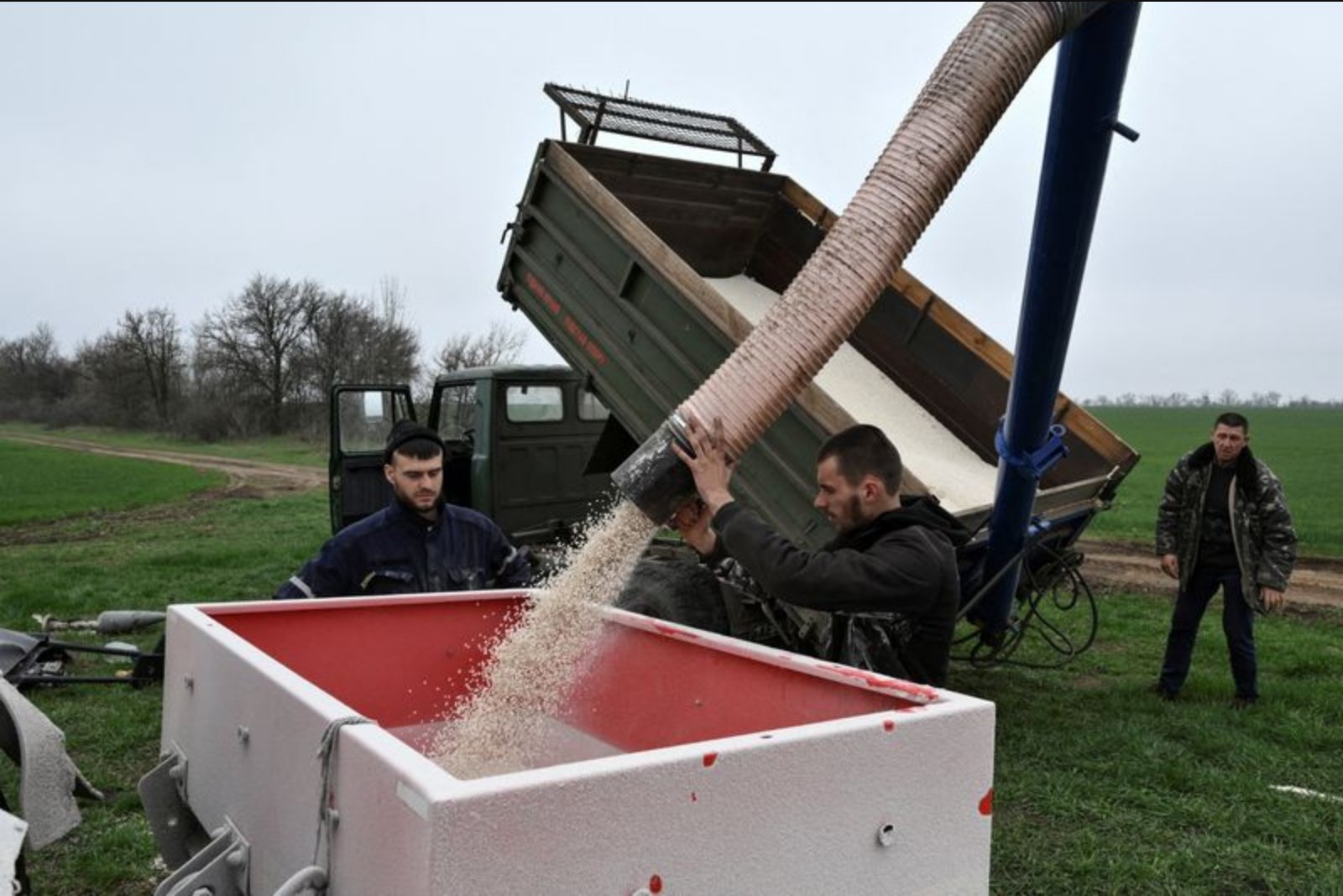
Conflict in the Middle East has precipitated a second severe spike in fertiliser prices within four years, driven by halted shipping through the Strait of Hormuz and shutdowns at Gulf production sites. The interruption is hitting urea particularly hard, and restrictions on supply chains for sulphur and ammonia - key inputs for multiple fertiliser types - have compounded the squeeze.
Fertilisers produced in and transiting the Gulf region account for a substantial share of global trade in these inputs. The current fighting has brought much of that movement to a standstill, triggering the loss of large volumes of seaborne urea and curtailing flows of other feedstocks. Plants in the Middle East have been forced offline, and producers in countries including India, Bangladesh and Russia have also paused output, removing at least 2 million metric tons of urea from global availability, according to commodity market reporting cited by market analysts.
Traders and analysts compare the situation with the 2022 disruption following Russia’s invasion of Ukraine, but say the present shock is steeper. "Back in 2022, a lot of the fertiliser was ultimately flowing through," said Shawn Arita of the Agricultural Risk Policy Center at North Dakota State University. "It’s a much steeper supply crunch that we’re seeing now." Market intelligence firms estimate that roughly one-third of the volumes usually exported from the Gulf are now absent from world markets, driving the most pronounced price moves in urea.
Urea prices have surged since hostilities began in late February. India, the world’s largest rice producer and the second-largest wheat grower, has responded by booking record urea volumes in a single import tender, paying nearly double the price it did two months earlier. Those levels, however, are out of reach for many farmers globally, analysts warn.
The difference this time is the relative weakness in grain prices compared with 2022. Generous harvests of grains and oilseeds in the intervening years have weighed on crop values; Chicago wheat, for example, trades at roughly half the level it did four years ago, and soybeans also stand well below their earlier peaks. Lower crop prices mean farmers now have less revenue available to absorb escalating fertiliser bills.
That constraint has direct agronomic implications. Nitrogen-based inputs such as urea are typically applied annually for many crops and have a direct impact on both yield and quality measures like wheat protein. Farmers can, in some cases, economise by cutting back on phosphate and potash without immediate, pronounced yield declines, but such substitution has limits. If phosphate markets tighten for an extended period - a possibility as Chinese export restrictions converge with war-related shortages of sulphur and ammonia - even those options could prove insufficient.
"In the end, some growers may just 'roll the dice' and reduce fertiliser applications, putting yields at risk," said Andy Jung of U.S. fertiliser group Mosaic. Market data providers report nearly 1 million tons of urea already loaded on vessels remain stranded in Gulf waters. Even if hostilities were to stop and the Strait of Hormuz reopened tomorrow, clearing the backlog of ships could take weeks, and damaged production facilities plus competition for scarce alternative supplies mean availability is likely to remain constrained for months.
"It’s going to take a while to get back to normal," said Stephen Nicholson, Rabobank’s head of North American grains and oilseeds, reflecting the view shared by several market observers that a return to pre-conflict supply conditions will not be immediate.
The immediate risk to global food stocks may be contained to an extent because many farms hold inventories of fertiliser and last year’s record harvests have bolstered grain supplies. Yet agricultural organisations have already started trimming their outlooks for upcoming harvests, and the United Nations has raised concerns about food security in low-income, import-dependent countries as it seeks negotiated shipping access for fertiliser through the Gulf.
Observers point to 2022 as an example of how high fertiliser costs can exacerbate food insecurity in poorer nations. Regions such as East Africa remain especially vulnerable today, analysts say, as they lack local production and depend on imports to sustain cropping systems.
Early indicators of potential production impacts are emerging. In Western Australia, a major wheat-producing region, one industry group now anticipates a 14% reduction in the area planted to wheat as farmers shift away from fertiliser-intensive, low-margin grain production. Some growers who continue planting may simply reduce application rates.
"If we see a drop-off in application in Australia and we start seeing expected yields come down, it could be quite an ominous sign for what’s in store for everybody else," said Matthew Biggin, senior commodities analyst at BMI.
In Brazil, analysts expect soybean growers to pare back fertiliser use and in some cases substitute with cheaper, less effective products such as ammonium sulphate. Similarly, harvests of Southeast Asian palm oil - already operating under tight supply fundamentals - could be vulnerable to lower nutrient inputs. "Nutrient shortfalls posed longer-term risks to younger trees," said Amit Guha, an independent agronomist based in Kuala Lumpur.
Across Europe, planting decisions for the spring season are shifting away from input-heavy corn in countries including France. Reduced nitrogen top-up applications may also trim protein levels in the wheat harvest due for summer, while a larger concern centers on autumn plantings: financially stretched farmers could reduce overall grain area in the next sowing window.
"That’s why we’re starting to get a little worried about the 2027 harvest," said Benoit Fayaud of Expana, highlighting that the most significant impacts may materialize at the next full planting cycle if current constraints persist.
Contextual implications
The current fertiliser shock has immediate and cascading effects across sectors tied to crop production: farm revenues, input supply chains, commodity markets, and food security programs. While some regions and farms may weather the present disruption using existing inventories or by altering nutrient mixes, sustained shortages and elevated prices could shift cropping patterns, depress yields, and strain vulnerable import-dependent countries.