
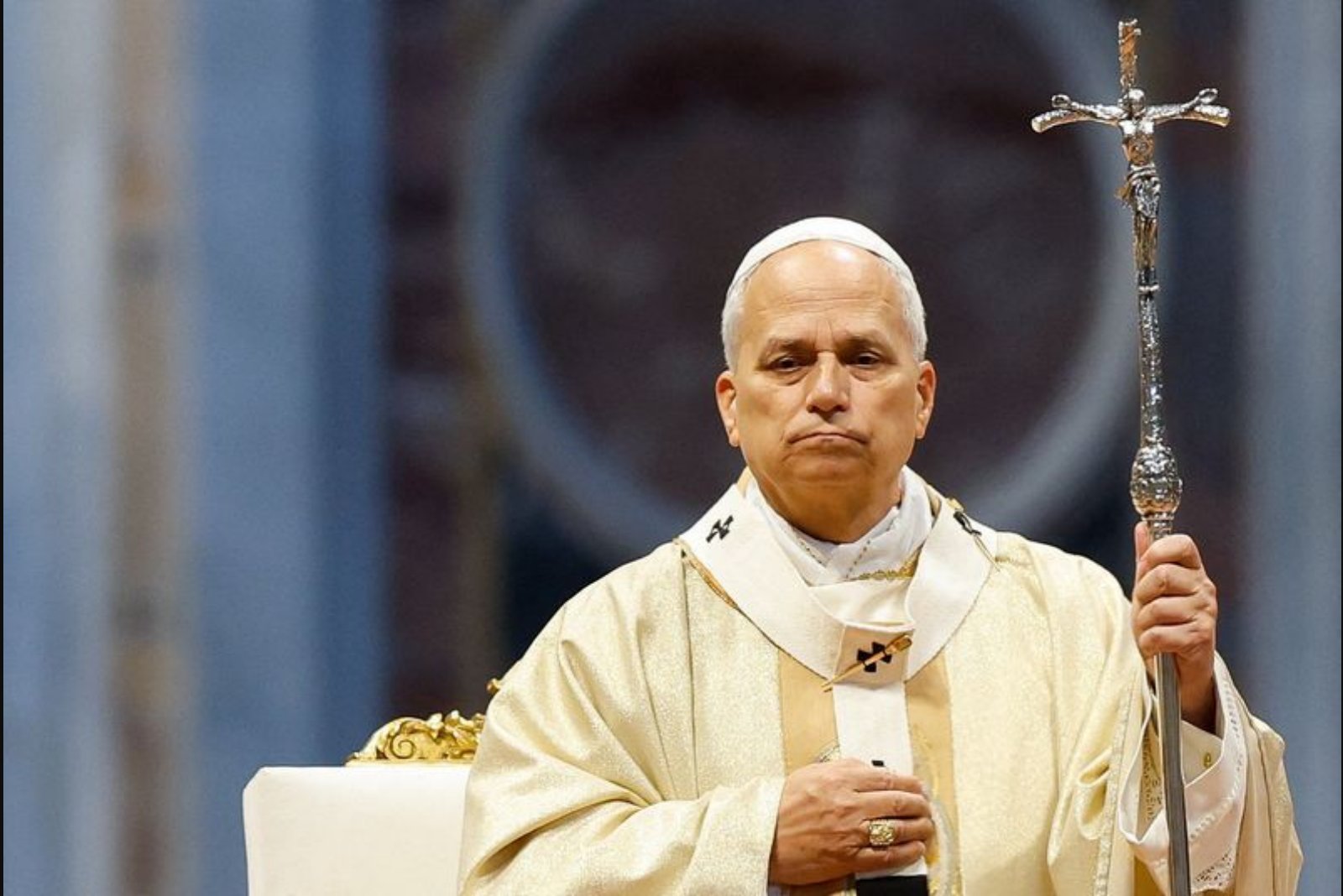
VATICAN CITY, April 27 - On the flight back from a four-nation tour of Africa, Pope Leo made remarks that may signal a recalibration of the Catholic Church's moral priorities. While delivering firm condemnations of despotism and war during the trip, the pontiff also addressed the role that questions of sexual ethics should play in the life of the Church, telling reporters that concerns about inequality and justice should take precedence.
"The unity or division of the Church should not revolve around sexual matters," he said in a press conference on the return flight. "I believe there are much greater and more important issues such as justice, equality... that would all take priority before that particular issue," the first U.S. pope added.
Observers and advocates said the comments could have a lasting effect on the priorities of the Church's 1.4 billion members.
Marianne Duddy-Burke, executive director of Dignity USA, an organization that supports LGBTQ Catholics, described the remarks as "a very significant and overdue reorientation of priorities".
For decades, priests and bishops across the global Church have often placed significant emphasis on teachings related to sexual conduct, including the Church's longstanding positions against abortion, contraceptive use and same-sex marriage. Those teachings have been prominent in public debates and pastoral guidance.
On a historical note raised during the press conference, the late Pope Benedict XVI drew international attention on his 2009 trip to Africa when he said the Church could not relax its prohibition on condom use even as a tool to reduce HIV/AIDS transmission. Benedict argued at the time that allowing condoms would only "increase the problem" ethically.
Pope Leo addressed a question about blessings for same-sex couples, saying he supported the 2023 decision by the late Pope Francis to permit pastors to give informal, case-by-case blessings to same-sex couples outside of a formal ritual. At the same time, the current pontiff said he did not favour extending or institutionalising those blessings.
"To go beyond that today, I think that the topic can cause more disunity than unity," the 70-year-old pontiff said.
Commentators described Pope Leo's remarks as a new posture for the global Church. Rev. James Keenan, an academic at Boston College, said the pope is articulating a hierarchy of concerns rather than elevating matters of sexuality above other pressing moral issues. Keenan, a Jesuit who founded a global network of Catholic academics focused on ethics, called the pope's position "clearly a prudential judgment by the pontiff... that issues of blessing gay marriage ought not eclipse more immediate challenges of dictatorships and war."
The Catholic Church's official teaching continues to hold that sexual activity outside heterosexual marriage is sinful and that people with same-sex attractions should seek to live chastely. Nonetheless, the tone from the papacy under Pope Leo has foregrounded peace and social justice themes.
Observers compared the current remarks to a notable moment from the tenure of Pope Francis. In 2013, when asked about a gay priest working in the Vatican, Francis replied: "If a person is gay and is seeking the Lord and has good will, who am I to judge them?" That comment was widely cited as a sign of greater pastoral openness toward LGBTQ Catholics.
David Gibson, a Vatican scholar at Fordham University, said the latest comments from Pope Leo amount to what he described as "Leo's 'Who am I to judge?' moment." Gibson noted that the pontiff appears focused on peace and justice and sees those moral teachings as being of equal weight to sexual ethics.
Francis DeBernardo, executive director of New Ways Ministry, another organization that advocates for LGBTQ Catholics, praised the pope's response. "He listed other matters, more social matters - justice, equality, freedom - as being of greater moral concern," DeBernardo said. "For years, Catholic advocates for LGBTQ+ people have been saying the same thing."
Whether Pope Leo's comments will translate into concrete changes in Church policy or pastoral practice remains to be seen. What is clear from the remarks is a stated intent to reprioritise certain ethical questions - placing issues of social justice and opposition to violence at the forefront of the Church's public moral agenda.