
Venezuela was the primary source of optimism at last week’s IMF-World Bank Spring Meetings in Washington, even as broader discussions at the gatherings were subdued by slipping global forecasts and the economic fallout from the conflict in the Middle East. Attendees and officials said conversations on the sidelines repeatedly returned to the possibility of an economic revival in the country, which remains under Western sanctions and continues to carry large amounts of debt.
Delegates described a palpable change in market tone. "The permafrost is melting. And that is why investors are optimistic," Rodrigo Olivares-Caminal, a Queen Mary University professor who advises governments on debt and attended the meetings, told participants. That sentiment translated into packed sessions: at least six banks and organisations, including Bank of America, Barclays, JPMorgan and Morgan Stanley, hosted investor briefings on Venezuela that drew heavy attendance, according to multiple people who participated and agendas reviewed by reporters.
Late on the Thursday of the meetings, the IMF and the World Bank said they had resumed dealings with Caracas for the first time since 2019. That step toward re-engagement with the international financial community could open the way for Venezuela to access roughly $5 billion of IMF special drawing rights, a reserve asset allocated by the Fund. Market participants said that recognition was expected by many, but that formal re-engagement still provided reassurance because it would facilitate technical assistance and the Fund’s Article IV surveillance - a detailed review of an economy’s strengths and vulnerabilities.
Article IV surveillance and IMF technical help can also establish the analytical basis for what level of debt could be considered sustainable. An IMF assessment, attendees said, would therefore be an important input to any plan to restructure Venezuela’s obligations. "Rejoining the IMF and getting access to the SDRs allows Delcy Rodriguez to lay the groundwork for debt restructuring," said Juan S. Gonzalez, a resident fellow at the Georgetown Americas Institute and a former deputy assistant secretary of state for the Western Hemisphere. Gonzalez spoke at several of the Washington events, including sessions hosted by Bank of America, JPMorgan and Eurasia Group; another Morgan Stanley panel focused on debt restructuring and Venezuela attracted a substantial audience, according to sources at the meetings.
The upbeat mood on Venezuela was set against a broader backdrop of concern at the Spring Meetings. Global economic forecasts were trimmed as leaders factored in the cost of the war in the Middle East. Much of that economic drag is tied to a jump in international oil prices, which is expected to feed through into higher inflation worldwide. For Venezuela, which holds the world’s largest proven oil reserves, elevated crude prices imply additional fiscal receipts that could support rebuilding badly neglected infrastructure after decades of underinvestment.
Yet the main commercial excitement centered on the country’s defaulted debt. Bondholders, lawyers and other attendees said they hope improving relations with the United States - which tightened after the January seizure and incarceration of former President Nicolas Maduro in New York - will make it feasible to restructure Venezuela’s sovereign debt and return some value to creditors. Some participants told reporters that closer ties between the U.S. administration and interim Venezuelan President Delcy Rodriguez since January have helped lift market sentiment; bond prices for certain issues have climbed to their highest levels in roughly a decade.
Those prices had already been rising since the return to office of U.S. President Donald Trump at the start of last year, a development that had prompted market bets on a possible change in regime even before the U.S. operation in January. Investors described a sustained level of enthusiasm in the weeks following those events, with multiple briefings reported as fully attended.
The scale of the potential restructuring is substantial. Venezuela and its state oil company PDVSA have about $60 billion of defaulted bonds outstanding. When claims related to the energy firm, bilateral loans and arbitration awards are added, the total external debt that could be in scope for a restructuring rises to roughly $150-$170 billion, attendees and market participants said. If a comprehensive deal were concluded, participants observed, it would be among the largest sovereign restructurings in recent memory.
Despite the buzz, some market voices emphasised caution. Analysts at JPMorgan said that while a case exists for a swift restructuring of international bonds, they had not yet seen indications that such a process would be initiated quickly. In particular, they highlighted uncertainty over whether a narrow restructuring of bonded debt could proceed independently of a broader, comprehensive settlement that would address other claims.
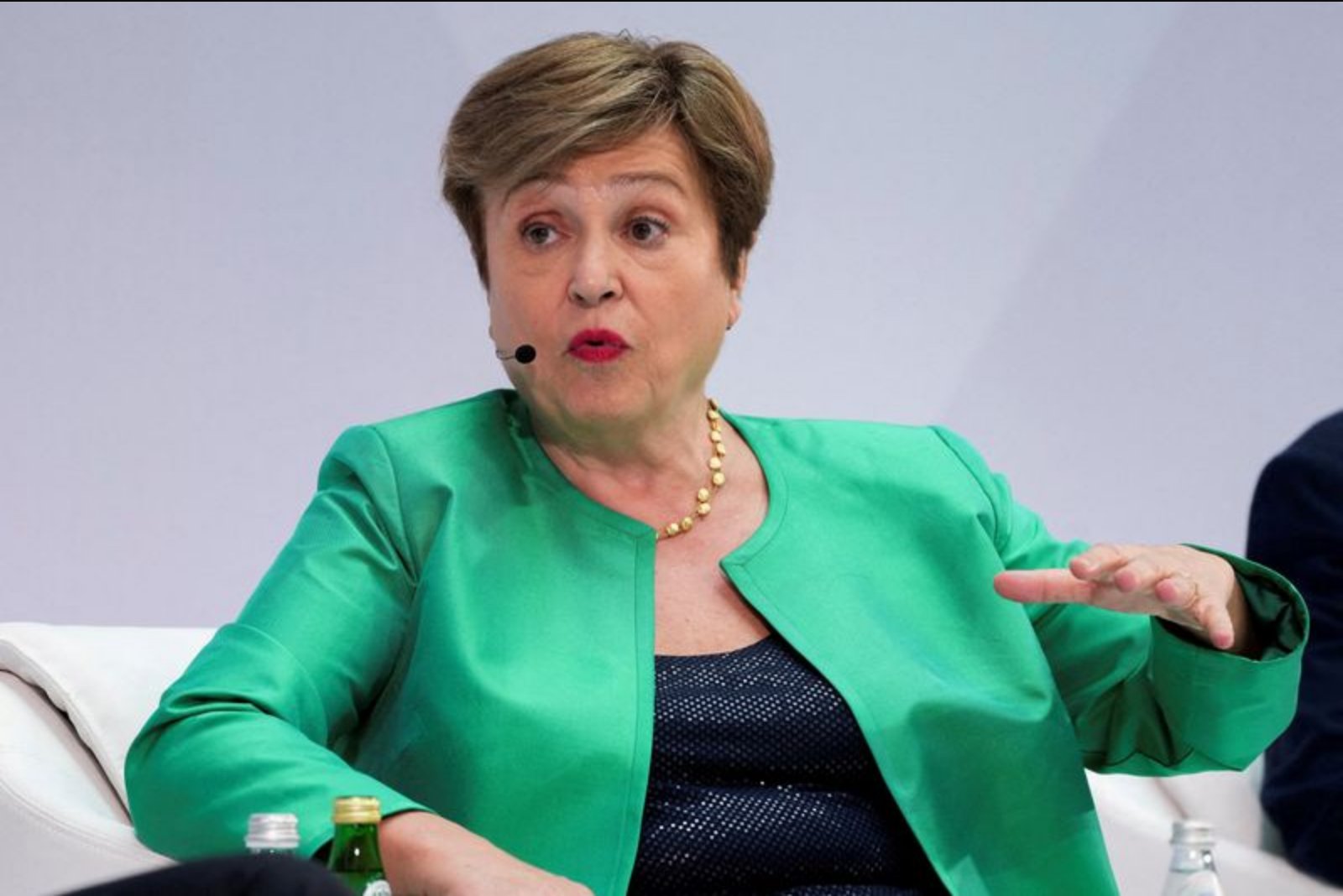
IMF Managing Director Kristalina Georgieva indicated on the sidelines that the Fund would likely provide a financial support programme to Caracas as part of its renewed engagement, while also warning that restoring macroeconomic and financial stability would be "a very tough road." Her comments echoed other assessments at the meetings that stressed both the potential upside from higher oil revenues and the scale of the political and economic work required to secure a sustainable recovery.
Amid the optimism, speakers noted that important unknowns remain, not least how swiftly diplomatic ties and technical assessments will translate into concrete restructuring negotiations, and whether creditors can agree on the sequencing and scope of claims to be resolved. The packed investor gatherings in Washington reflected the market’s appetite to see those questions addressed, even if market participants and advisers reminded audiences that the path to a final deal will likely be complicated and could require coordination across many creditor groups.
Context and next steps
The IMF’s re-engagement provides technical avenues - Article IV reviews and potential financial programming - that can help define what debt levels are sustainable. For investors, those IMF actions are a prerequisite for meaningful negotiations. Market participants will now watch how technical assistance, diplomatic engagement and internal political developments in Venezuela converge to determine whether a major debt restructuring can be orchestrated.