
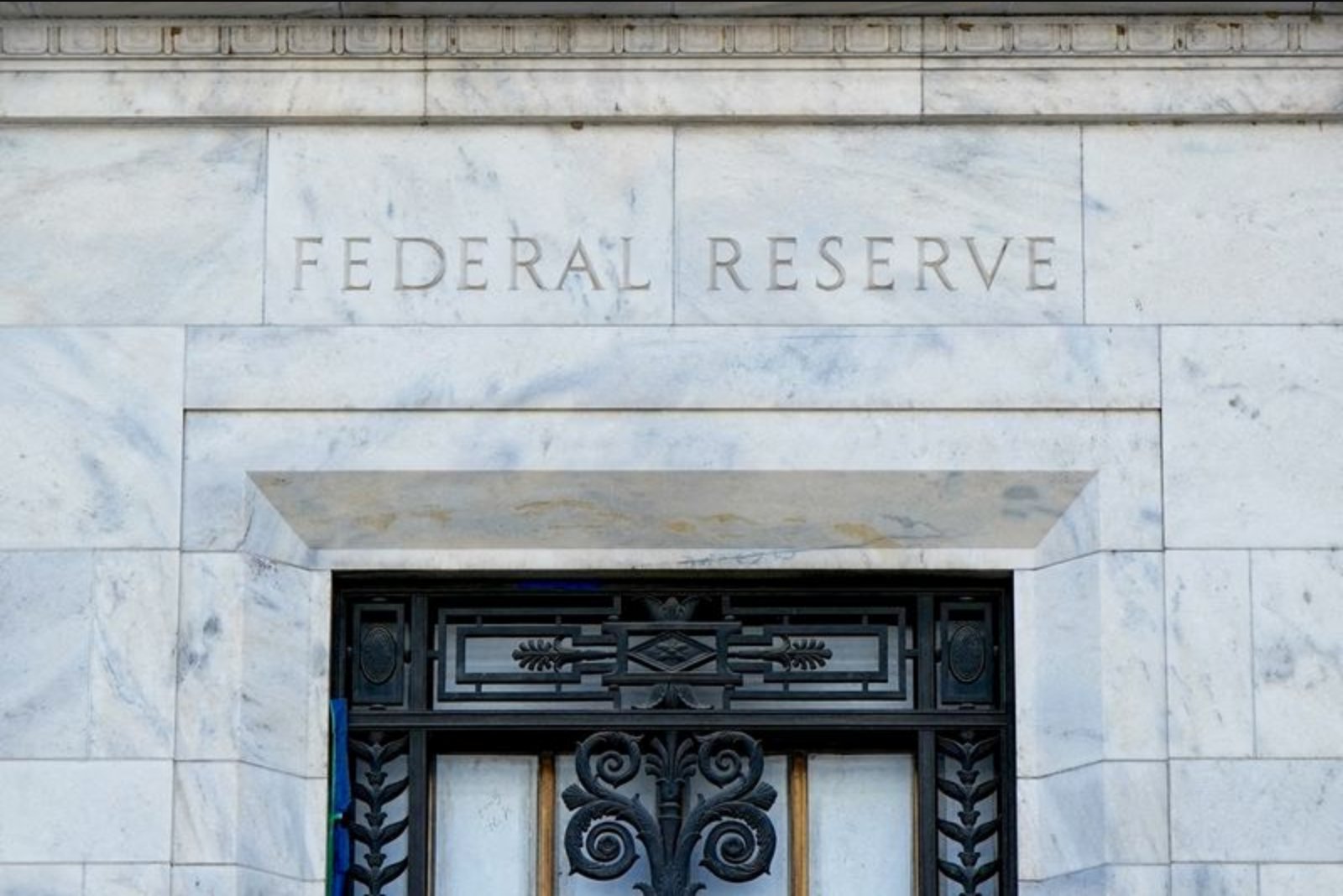
San Francisco Federal Reserve President Mary Daly and her counterparts at the 11 other regional reserve banks occupy a distinctive place in the architecture of U.S. central banking that was deliberately designed to balance power between Washington and the country’s regions. Their positions are not the result of popular elections, nor are they selected by widely public appointment processes. Instead, local boards traditionally hire these presidents through processes that generally have minimal public vetting or direct influence from elected officials. Yet Daly and the other regional leaders maintain they are crucial to the Federal Reserve’s democratic legitimacy because they bring local perspective to national policymaking.
That arrangement is now navigating a period of heightened legal and political strain. A U.S. Supreme Court case that touches on whether a president can remove a Fed governor at will, uncertainty tied to the transition from Jerome Powell to the president’s nominee to lead the Fed, and public critiques and potential reforms proposed by Treasury Secretary Scott Bessent have together put the role and protections of the regional presidents into sharper focus.
"Look back to the original act ... You create these regional Feds and you make the selection of those policymakers different than the selection of the ones in D.C.," Daly told reporters, invoking the Federal Reserve Act’s intent to counterweight a Washington-based, presidentially appointed Board of Governors with 12 regional leaders. Those regional presidents, five of whom vote on monetary policy on a rotating basis, represent votes that a Fed chair must court when setting policy. Daly and others stress that their time speaking with local executives and workers is central to the Fed’s mission, and they argue that their distance from direct appointment or confirmation by elected officials enables them to offer objective, locally informed judgments.
Even so, the system contains checks that tie the regional banks to the broader Federal Reserve structure. Senate-confirmed Fed governors sign off on hires at reserve banks, and the Fed’s Board of Governors holds significant authority over regional presidents - including the power to remove them by majority vote. The board also oversees important staffing, budgetary and regulatory decisions that affect the reserve banks.
A wider debate over independence
The current stresses on this institutional design are tied to several related developments. One is litigation surrounding the attempted removal of a Fed governor by President Donald Trump. That case, and how the courts ultimately rule, bears directly on whether presidents may unilaterally dismiss Fed officials. Another is the leadership transition at the New York-based Board: Powell’s choice about whether to remain on the Fed’s board until the end of his term in 2028 could influence the balance of votes should he stay on a board led by a successor he opposes.
President Trump’s nominee for Fed chair, Kevin Warsh, faces confirmation hurdles. At least one key Republican senator has indicated he will not confirm Warsh until an administration investigation into Powell is dropped, viewing that probe as part of an overarching effort to erode the Fed’s independence. Powell has publicly criticized the probe and said he would decide whether to keep his board seat "based on what I think is best for the institution and for the people we serve." If Powell remains on the board after a Warsh confirmation, he could act as a continuing check on policy changes he views as excessive.
The political and legal maneuvering is intertwined with calls for structural reform from voices both inside and outside government. Treasury Secretary Scott Bessent has been critical of some Fed practices and has floated reforms, including a suggested residency requirement for hiring regional bank presidents. Kevin Warsh has urged sweeping changes at the Fed in broad terms, though specifics have been limited in public remarks. Meanwhile, scholars and former advisers have argued for greater presidential authority over the Fed’s personnel.
Voices arguing for and against change
Proponents of increased presidential authority argue it would align the Fed more directly with constitutional accountability. Stephen Miran, prior to his appointment as a Fed governor, co-authored research arguing that allowing presidents to dismiss Fed board members and regional reserve bank leaders would resolve tensions the paper identified between the current system and the Constitution. Miran, who previously served as a top economic adviser to President Trump before his elevation to the Fed’s board, declined to comment on whether he continues to hold that view.
Randall Quarles, a former Fed vice chair for supervision and a Trump appointee, told an independent group of economists that the Supreme Court should not insulate Fed officials from dismissal. "The right answer is to say ... the president can, in fact, dismiss anyone on the Federal Reserve Board because he disagrees with their views on policy," Quarles said, arguing that the confirmation process for nominees and the role of regional reserve bank leaders would still serve as safeguards against politically motivated manipulation of monetary policy.
Those who fear such a shift warn of the risks to policy continuity and the longer-term trust in the institution. Former St. Louis Fed President James Bullard offered a blunt rejoinder to proposals that would expand removal power: "You’re absolutely playing with fire," he said, asking rhetorically whether an ability to fire governors at will would not quickly lead to reciprocal firings of regional bank presidents. Bullard suggested partisan swings in power could translate into pressure for lower interest rates to reduce the cost of deficit spending by whoever controls the executive branch.
Columbia Law School Professor Kathryn Judge, speaking at the same gathering, said that even failed legal challenges by the Trump administration could bring a period of "disruption" that would weaken the foundation of Fed independence, leaving it more fragile than before.
Institutional balance and remaining uncertainties
How these tensions resolve remains unclear. The regional presidents’ traditional independence rests on local hiring practices and their perceived distance from partisan politics, yet the Board of Governors retains decisive levers. Three current Fed governors were appointed by President Joe Biden and three by President Trump; Jerome Powell himself was brought to the Fed’s board by President Barack Obama, elevated to chair by President Trump, and reappointed by President Biden. President Trump has shown no public focus on changing the reserve bank structure and has not put forward formal proposals to increase White House control over regional banks, but the debate about their role fits within a broader, unsettled argument about how to reconcile the Federal Reserve Act’s intent for central bank autonomy in monetary policy with democratic governance and the U.S. constitutional system.
Proposals and criticisms coming from both the Treasury and from some in the legal and policy community raise concrete questions about future personnel rules and hiring practices for regional banks. Bessent’s essay and suggestions, Warsh’s calls for broad change and prior academic work urging presidential removal power each highlight different potential stress points in the system. The Board’s statutory authority - including the ability to dismiss regional presidents and to control key staffing and budgets - remains a central structural fact that anchors the current arrangement.
The outcome of the Supreme Court case, the pace and direction of any administrative reforms, and decisions by key actors - Powell on whether to remain on the board, the Senate on confirming a Warsh nomination, and the Treasury on whether to pursue specific rule changes - will determine whether regional bank presidents continue to function as locally rooted sources of policy insight shielded from immediate political pressure, or whether their role is reshaped by new legal and political realities.
Implications for markets and policy-making
While the broader public debate focuses on institutional principles, there are practical consequences for how monetary policy is debated and decided. The five regional presidents who vote on policy on rotation represent critical votes for any Fed chair attempting to marshal consensus. Changes that alter how presidents are selected, how securely they hold office, or the degree of board oversight over reserve banks would reverberate through the Fed’s internal dynamics and could affect the way monetary policy priorities are established and implemented.
For now, the debate continues without a clear end in sight. The combination of judicial review, political appointments and proposed administrative reforms has placed the Fed’s regional structure at the center of an argument over how to maintain the institution’s independence while satisfying questions of democratic accountability.