
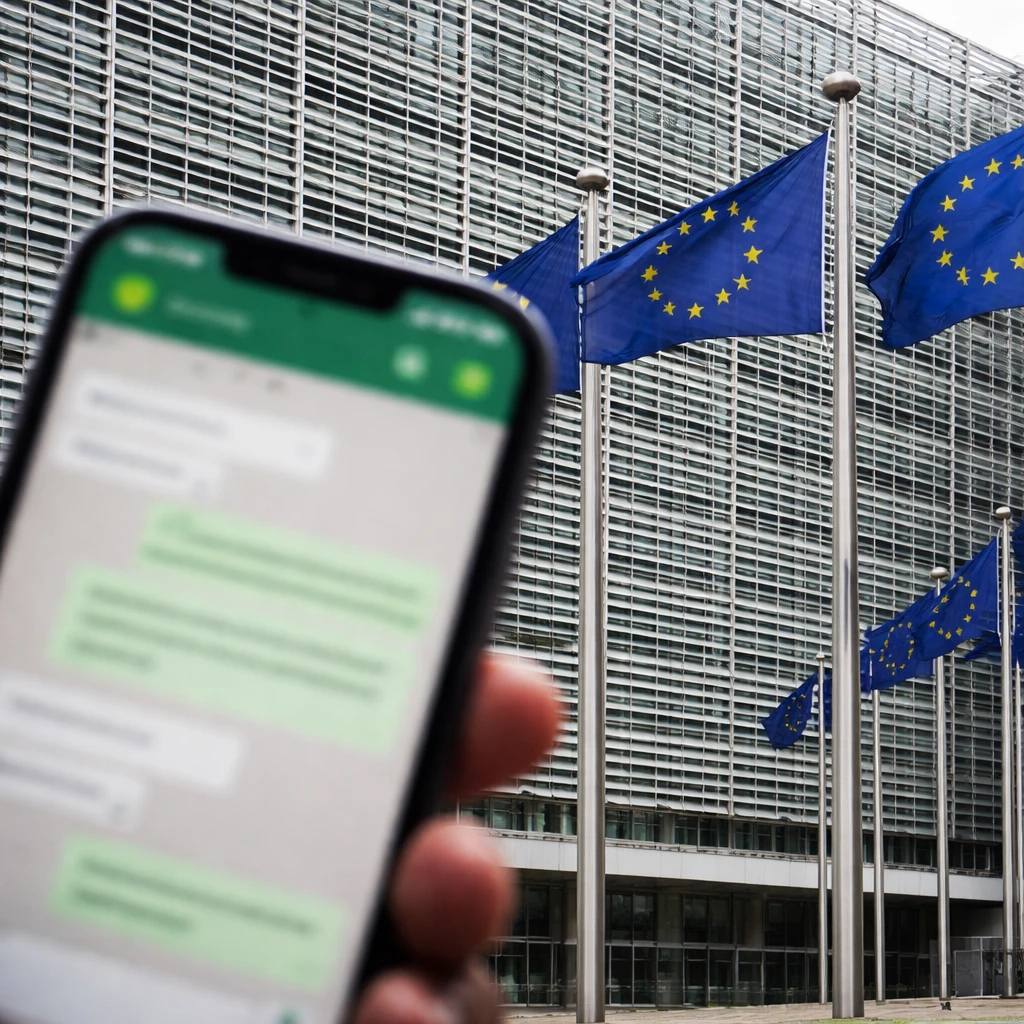
The European Commission has opened the door to imposing interim measures against Meta Platforms Inc. over recent WhatsApp policy changes that complainants say may prevent competing artificial intelligence providers from operating on the messaging service.
In a supplementary statement of objections, the Commission said it intends to order provisional measures designed to stop the policies from inflicting serious and irreparable harm on the market. Those steps would be taken only after allowing Meta to reply and exercise its rights of defense, the Commission noted.
The action follows complaints asserting that policies introduced by Meta could unfairly block rival AI firms from offering business services through WhatsApp. The supplementary objections signal the Commission’s concern that the contested changes could materially impact competition in the market unless curtailed.
Under the European Union’s competition framework, regulators have the authority to require companies to temporarily halt practices they regard as potentially anti-competitive. Such interim orders are provisional and can be challenged in the bloc’s courts in Luxembourg, providing a legal avenue for companies to contest the regulator’s measures.
The Commission’s note also recalled the potential for financial penalties: breaches of EU antitrust rules can carry fines of up to 10% of a company’s global annual revenue. The statement added, however, that penalties of that magnitude are uncommon, particularly when the alleged infringing conduct is brief in duration.
Meta has been given the opportunity to respond to the Commission’s supplementary objections and to present its defense before any interim measures are finalized. The Commission’s approach reflects a balance between acting to prevent what it perceives could be immediate market harm and preserving the firm’s procedural rights.
Context limitations: The Commission’s intentions and the complainants’ claims are presented as stated in the supplementary statement of objections; Meta’s response and any subsequent legal challenges in Luxembourg were not detailed in the available material.