
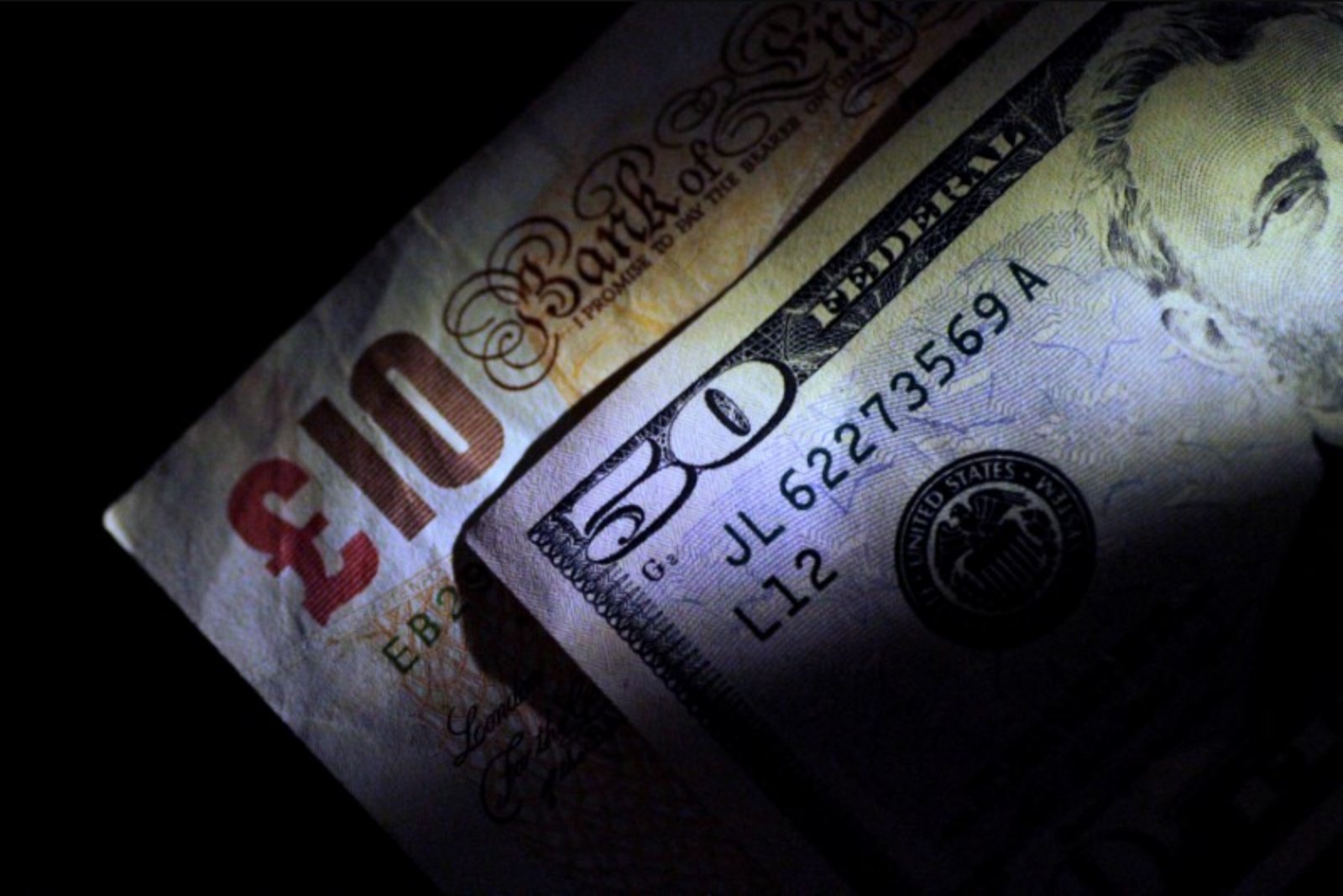
Currency markets opened the week with modest moves as the dollar steadied and risk sentiment remained sensitive to developments in the Middle East and persistent energy price strength.
At 04:54 ET (08:54 GMT), the pound traded lower against the greenback, with GBP/USD down 0.16% at 1.3496. The euro also slipped, EUR/USD easing 0.04% to 1.1759. Both pairs backed off from recent highs as the U.S. dollar found footing amid geopolitical headlines that continued to influence crude oil prices.
Renewed tension tied to the Middle East kept markets cautious. Shifting reports around U.S.-Iran developments have supported crude prices and, in turn, limited the scope for a broader dollar sell-off. While some episodes of market pricing have reflected hopes for de-escalation, the intermittent and stop-start character of the headlines has kept investors alert to the risk of renewed moves in oil and safe-haven demand for the dollar.
Analysts at ING Group observed that the dollar appears to be searching for a new near-term equilibrium, with recent price action increasingly determined by the interplay between geopolitical risk and volatility in energy markets. They noted that elevated oil prices remain a significant constraint on any more pronounced decline in the dollar, especially as signs emerge that inflation expectations could firm.
In Europe, the euro has struggled to establish a sustained break above the 1.18 mark as markets reassess odds for further policy tightening from the European Central Bank. Although a June rate increase remains within the realm of possibility, the likelihood has become less certain, and market participants continue to position for EUR/USD to trade nearer the mid-1.17 area in the near term.
Sterling faced pressure from a combination of softer expectations for U.K. rates and renewed political attention domestically. Focus on Prime Minister Keir Starmer and scrutiny of government decisions and parliamentary developments added to near-term uncertainty for the pound, contributing to its modest retreat against the dollar.
The dollar's resilience also reflects a cautious recalibration of market positioning. Investors have shown reluctance to extend aggressive bearish wagers on the currency given steady U.S. rate expectations and growing concern that sustained strength in energy prices could feed into inflation dynamics. Comments from Federal Reserve officials have reinforced the risk that persistent oil shocks may postpone the start of any easing cycle.
With a relatively light economic calendar ahead, the path for exchange rates is likely to be driven by ongoing geopolitical headlines, movements in crude oil, and evolving expectations from central banks. Traders and strategists will look to upcoming policy signals from the Federal Reserve and key political developments for further direction on major currency pairs.
Context and near-term drivers
- Geopolitical developments in the Middle East and headlines tied to U.S.-Iran relations continue to underpin crude oil prices and influence safe-haven flows into the dollar.
- Energy market volatility is interacting with inflation expectations, restraining a larger drop in the dollar and shaping central bank calculus.
- Domestic political scrutiny in the U.K. and shifting rate expectations in Europe are weighing on sterling and the euro respectively.