
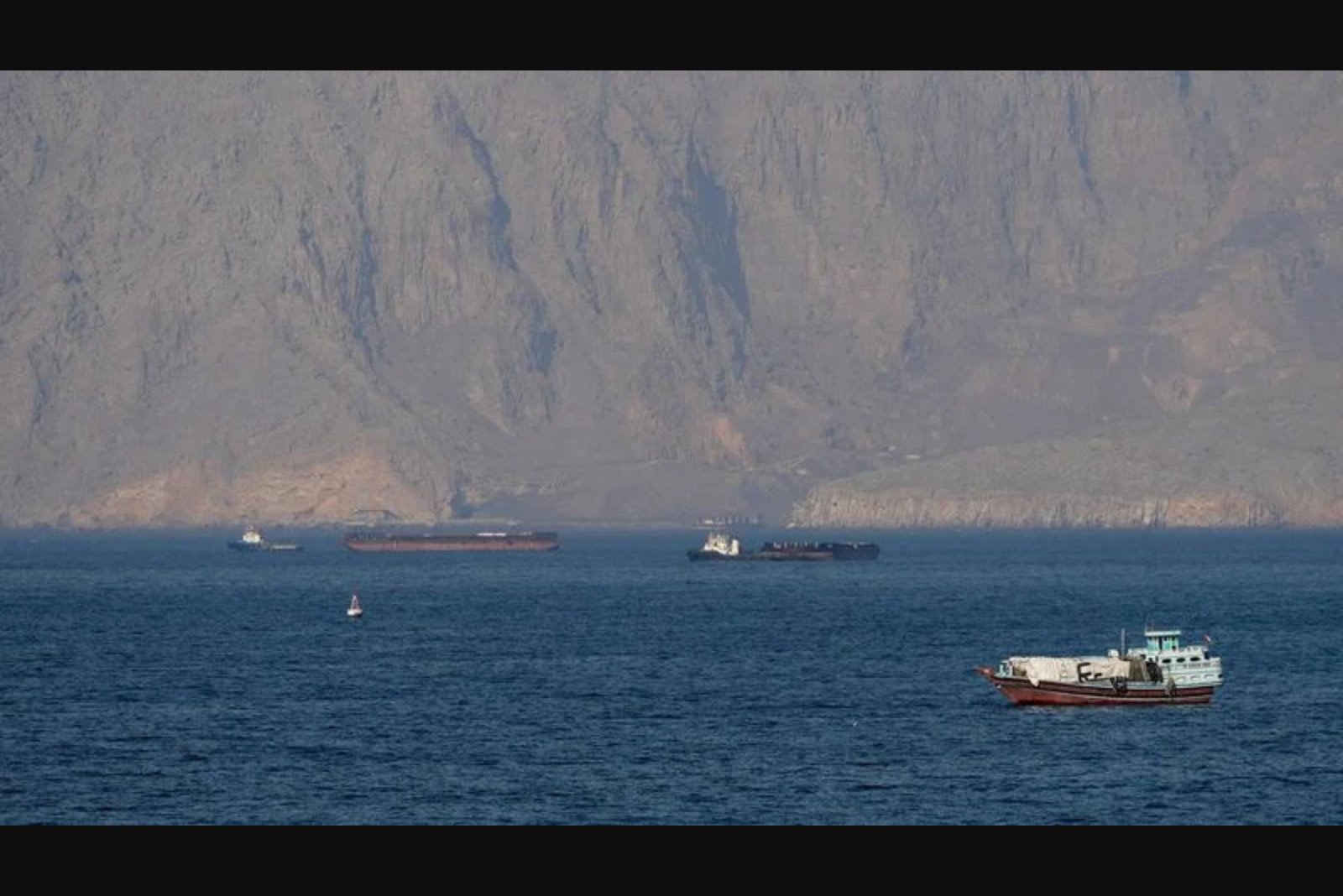
Analysts at two banks said a recovery in oil flows through the Strait of Hormuz and a broader resumption of crude production following the interim U.S.-Iran deal will not be immediate and could take several months.
The Strait of Hormuz is a critical artery for global energy markets, with roughly one-fifth of world oil supply passing through the waterway. Shipments were disrupted during the Iran conflict, a disruption that helped push Brent crude up to as much as $126 a barrel in April, a four-year high.
Goldman Sachs set out a timetable for normalization in a June 17 report, saying it expects Middle East Gulf exports to return to pre-war levels by the end of July, and for crude production to recover by October. The bank warned that while the number of available ships is not, in itself, a binding constraint on exports, shipowners' risk aversion could reduce effective shipping capacity. "We see shippers’ risk aversion as a potential constraint on the flows, along with Iran’s geopolitical goals over the upcoming 60-day nuclear deal negotiations," the report said.
BNP Paribas reached a similar conclusion on timing, noting that even under a best-case scenario it would take several months for oil flows to normalise. The bank added that such a normalization would require producers to bring back roughly 12 million barrels per day of shut-in production.
Bank of America highlighted a separate operational challenge, saying that clearing sea mines and related hazards arising from the conflict would probably take months rather than days because of logistical complexities. The bank added that oil markets could therefore remain in deficit until the fourth quarter of 2026.
Prices have eased since the U.S.-Iran agreement reduced the immediate threat of a prolonged supply squeeze. Brent was trading at about $77.16 a barrel as of 1403 GMT on Thursday.
Context and implications
The banks' assessments converge on a central point: resolving the political agreement is necessary but not sufficient to restore flows quickly. Operational steps - including reopening wells, reactivating shut-in production, and addressing maritime safety - will determine how fast volumes can return. Market participants should expect a transition period during which available supply may lag pre-conflict levels.
Reporting focuses on the banks' published forecasts and operational observations without extrapolating beyond those statements.