
Lead
What began with the arrival of factories and Korean brands evolved into an expanding cultural footprint in Mexico that now includes cuisine, entertainment and a passionate base of K-pop fans. The relationship between the two countries has developed into a broad, visible affinity - a phenomenon that will be tested on Thursday as Mexico and South Korea play each other in a World Cup group-stage match in Guadalajara.
From industry to pop culture
The trajectory of Korean influence in Mexico has followed a distinct path: first industrial investment, then culinary and consumer presence, and finally a popular music boom that has spread widely among young Mexicans. The industrial phase has been especially visible in Monterrey, where the entry of Kia and other major Korean companies over the last decade brought a substantial influx of South Korean residents to the city.
That corporate migration created social and cultural nodes that, together with the global reach of Korean music, allowed a wider cultural exchange to accelerate. "K-pop is the gateway, but the end result is that many young people end up becoming interested in the language, education, and culture," said Erika Garza, director of Asian Studies at the Autonomous University of Nuevo Leon, describing a pattern in which musical fandom leads to broader cultural engagement.
Lives shaped by movement
For individuals the shift has been tangible. Yoona Jwa, a 19-year-old student, arrived in Monterrey with her family when she was 8 because of her father’s job; she was among the wave of South Koreans who moved to the industrial city. Struggling initially with language and cultural unfamiliarity, she found early social connection through playing soccer. Over time, however, the exchange has become reciprocal: Jwa said she now notices Mexican friends singing in Korean and learning about her culture.
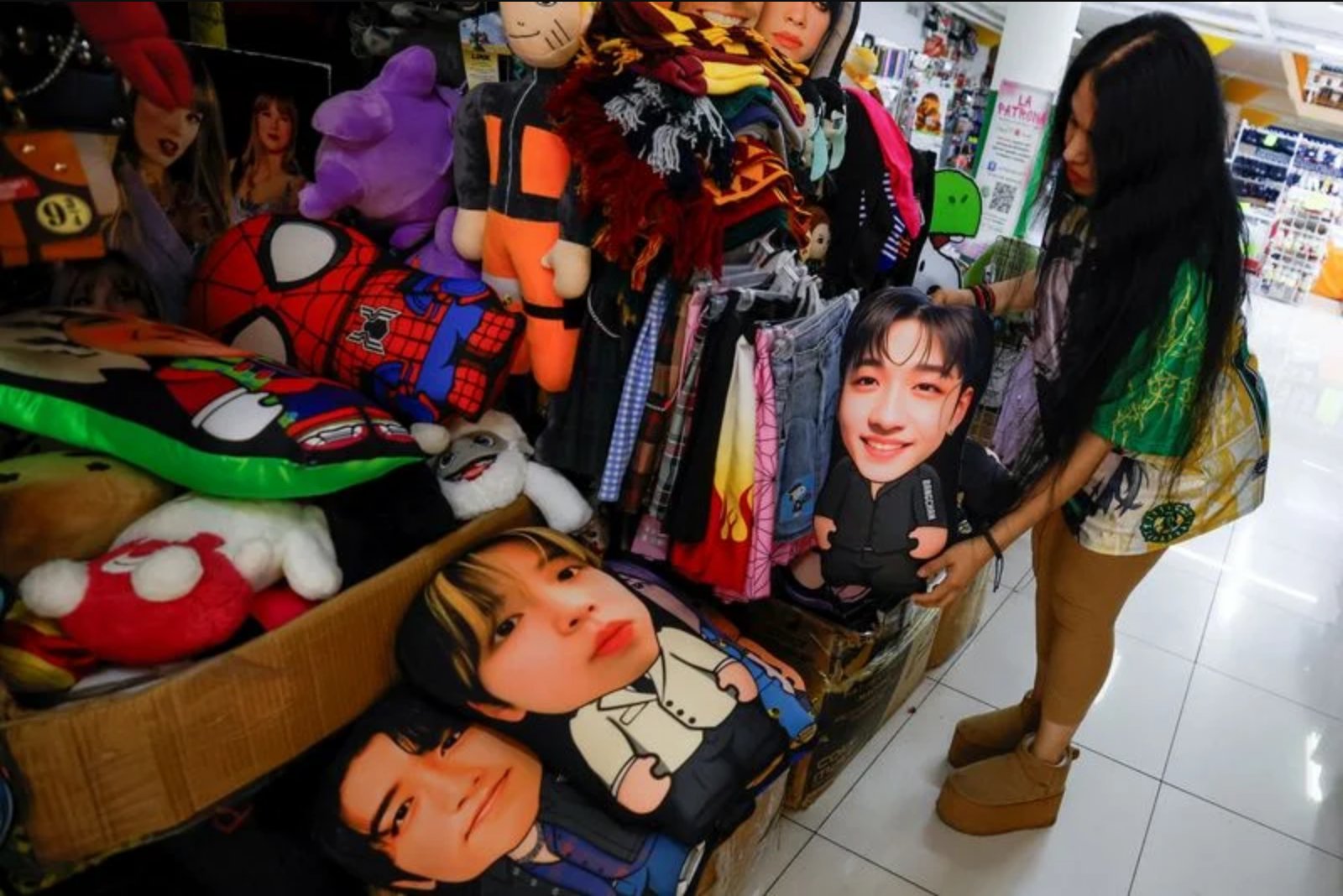
Other personal stories show how the two cultures intermingle at street level. Shopfronts in Monterrey’s city centre sell life-size cutouts of the South Korean boy band Stray Kids and pillows printed with BTS members. Outside a K-pop store, Mexican fan Christopher Elizondo, 18, described becoming immersed in the rhythm and choreography of South Korean music. Elizondo said he plans to watch the match at home while his family supports Mexico - a split allegiance he expects will be "a bit uncomfortable."
Sport as both connector and rival
Football has been a focal point for the emotive dimension of the relationship. The two countries met in a group together at the 2018 World Cup, when a late South Korean victory over Germany had direct consequences for Mexico’s progress. In that instance, Mexico appeared set to be eliminated after a 3-0 loss to Sweden, but South Korea’s last-gasp win over Germany allowed Mexico’s national team - often called 'El Tri' - to advance to the knockout phase.
The 2018 result sparked public celebrations in Mexico: crowds gathered outside the South Korean embassy in Mexico City, where the consul came out wearing a Mexico soccer shirt to greet them. In Monterrey, Cuauhtémoc Moctezuma brewery sent a truck filled with beer to a local KIA plant to mark the occasion. Those moments underline how sporting outcomes can both cement goodwill and create unexpected public intimacy between nations and businesses.
Present dynamics and the upcoming match
Heading into the Guadalajara fixture, Mexico and South Korea occupy the top two spots in their group, each with three points. Observers and participants alike have noted a mix of affection and competitive intensity. Annie, a South Korean visitor to Guadalajara from California, framed the relationship succinctly: "Koreans and Mexicans are like brothers and sisters."
At the same time, local interactions show how fandom can create nuanced loyalties. Jwa said she has experienced increased warmth from Mexicans since the World Cup began: she was lifted into the air at a Fanfest during the first match in Monterrey, and a market vendor recently gave her family free tostadas while wishing them luck in the upcoming game. These gestures underscore the hospitality that attends the cultural exchange even amid competitive sport.
Business relationships and friendly rivalry
Commercial ties reflect the same mix of closeness and rivalry. At a Korean restaurant outside Monterrey, South Korean native Kevin Kim - now based in Texas - sat with his Mexican business partner Humberto Osuna. The two, who work together in the technology and electronics sector, described a longstanding friendship grounded in business collaboration. "We are good friends," Osuna said. He also acknowledged that the mood may change when the match begins: "Then we will be enemies."
That comment captures a broader dynamic: economic and cultural integration has produced day-to-day affinities, yet sporting competition can prompt short-term divisions even among close partners and communities.
What this means in practice
The evolving relationship between Korea and Mexico manifests across multiple domains. Manufacturing links, the visible presence of Korean eateries and retail, and the popularity of K-pop have woven together into what one participant described as a mass movement. The World Cup encounter in Guadalajara will provide a concentrated moment to observe how shared culture and commercial ties withstand direct national rivalry in a high-profile sporting setting.
For now, the story remains one of reciprocal curiosity and growing interconnection - with moments of friendly celebration and the potential for temporary competitive friction when sport takes center stage.