
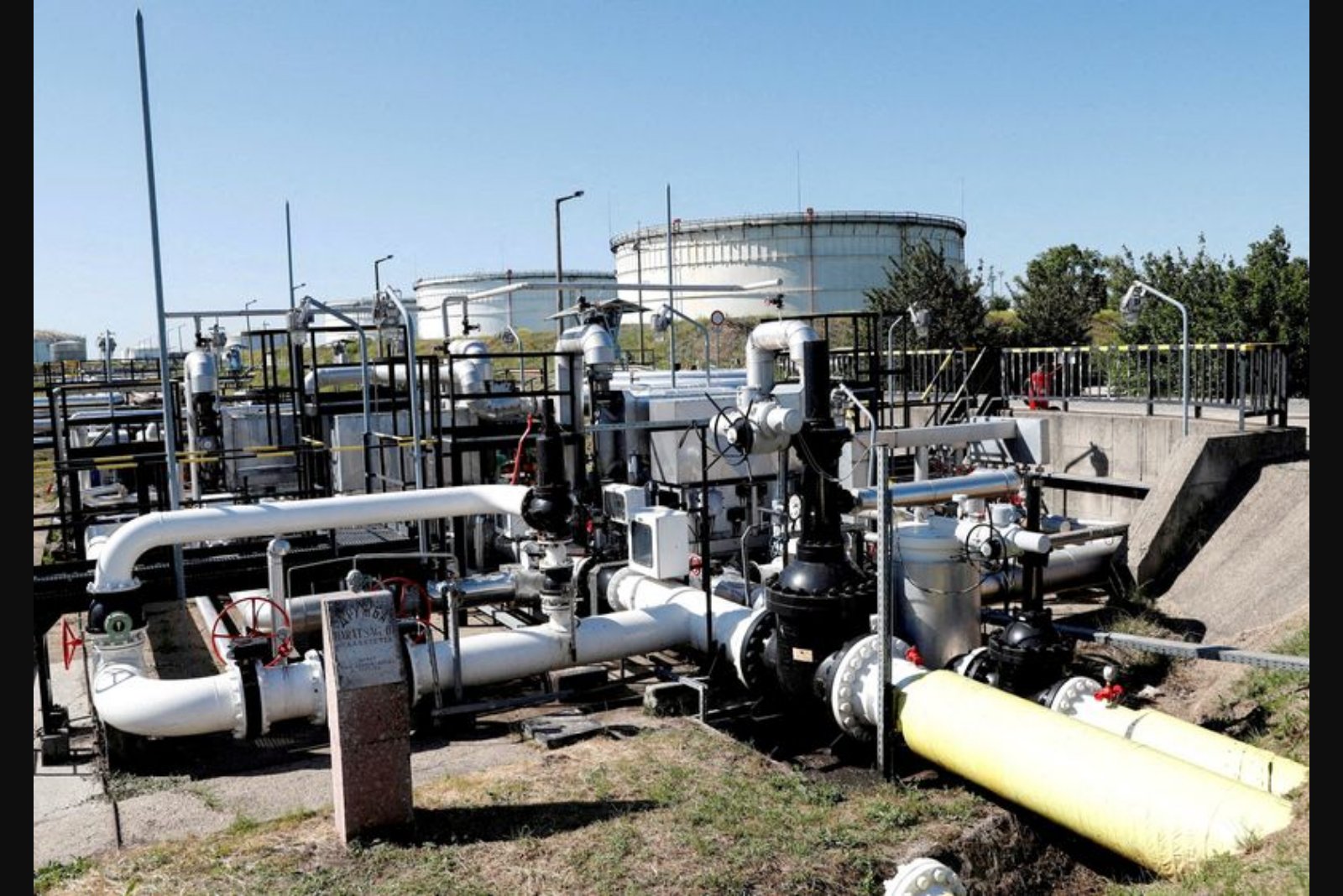
The long-disrupted Druzhba pipeline is poised to resume carrying Russian crude through Ukraine to Hungary and Slovakia after a stoppage that lasted several months, officials in both recipient countries said. The prospect of renewed flows has immediate political and financial ramifications because Hungary had tied its approval of a major EU loan for Ukraine to the resumption of oil deliveries.
Operational status and notifications
Slovak Economy Minister Denisa Sakova said on Wednesday that crude oil shipments via the Druzhba pipeline from Ukraine to Slovakia were expected to restart early on Thursday. Sakova reported on Facebook that Ukraine had informed Slovakia work had been under way in Belarus to rebuild pressure in the pipeline, a necessary step to allow oil to flow again after the halt that began in late January.
Hungarian oil company MOL issued a statement saying it had been notified by Ukraine that deliveries of Russian crude would resume through the Druzhba system. "According to the notification, JSC Ukrtransnafta is ready to resume crude oil transit to Hungary and Slovakia," MOL said.
An industry source told Reuters on Tuesday that Ukraine planned to restart pumping oil through Druzhba on Wednesday, after Ukrainian President Volodymyr Zelenskiy said repairs had been completed and urged the European Union to approve a 90 billion euro loan for Kyiv.
Political stakes: the EU loan
Approval of the 90 billion euro EU loan, a package intended to cover two thirds of Ukraine’s financing needs in 2026 and 2027 as it confronts Russia’s invasion, hinges in part on whether Hungary and Slovakia will allow the oil to arrive in their territories. Hungary, as an EU member state, has the procedural power to block the loan despite not being a contributor to the financing.
With indications that oil flows may resume, ambassadors of EU countries in Brussels were set to renew discussions on the loan’s final approval. Budapest had previously opposed the aid package pending the restoration of pipeline exports.
Origins of the stoppage and capacity details
The Druzhba pipeline, whose name means friendship in Russian, can carry between 1.2 million and 1.4 million barrels a day under regular operations, with potential capacity up to 2 million barrels a day. However, actual flows had been reduced to a small fraction of those figures following Western sanctions and repeated disruptions from drone attacks. A Russian drone strike in western Ukraine damaged the pipeline and halted deliveries to Hungary and Slovakia.
Hungary’s outgoing Prime Minister Viktor Orban and the Slovak government had accused Ukraine of delaying repairs; Kyiv denied those charges. Separately, Hungarian election winner Peter Magyar called on President Zelenskiy to reopen the damaged pipeline once it was functional, and for Russia to resume shipments.
Ukrainian Foreign Minister Andrii Sybiha said: "We have fulfilled all our confirmations and commitments. We have done everything ... and the infrastructure has been repaired. Now we need to move forward together so that Ukraine can receive the loan."
Related supply impacts in Germany
In a separate development, Germany has been informed that no Kazakh crude oil would reach the PCK Schwedt refinery from May, the economy ministry said. Industry sources had reported that Russia was set to stop exporting oil from Kazakhstan via the Druzhba pipeline starting on May 1, a move that would directly affect PCK, which is one of Germany’s largest refineries.
For currency reference used in reporting: $1 = 0.8511 euros.
What remains uncertain
When precisely the EU loan will be released depends largely on whether Hungary and Slovakia will insist on receiving the restarted oil flows before approving the financing. While Ukrainian officials and industry participants say pumping can resume, the timing of shipments arriving in recipient countries and the diplomatic steps required to clear the loan remain subject to completion of the logistical and political processes described above.
The situation links energy infrastructure repairs and pipeline flows directly to high-stakes financial decisions in the bloc, leaving markets and regional supply chains attentive to confirmations from the involved parties.